
Vegetables
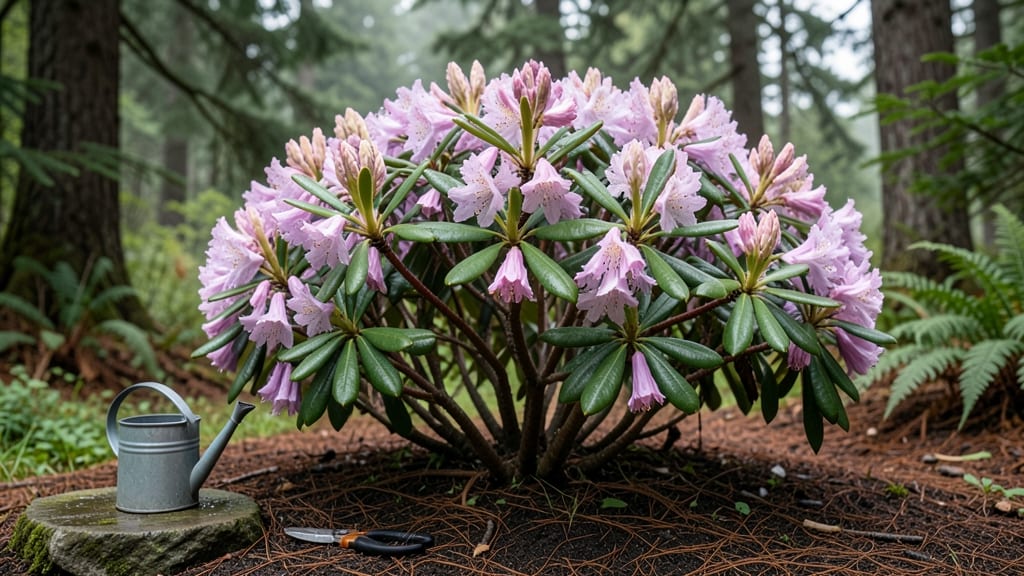
Victoria BC’s gardens turn coastal charm into privacy layers that work year-round, blending lush foliage with climate-smart design. 🌿 The secret lies in mixing evergreens like arborvitae with flowering shrubs, creating living screens that stay green through damp winters and still bloom in summer.
I’ve walked through gardens where tall ferns and hydrangeas soften the wind while screening neighbors—without sacrificing sunlight for a vegetable patch.
Local gardeners swear by three-tiered layers: tall conifers at the back, mid-height shrubs like rhododendrons, and low perennials like heuchera to fill gaps. The coastal climate means you can skip fussy annuals—native plants like sword ferns and salal handle the salt spray and mild winters effortlessly.
Even in small spaces, a 6-foot-tall arborvitae hedge paired with climbing roses adds instant privacy while attracting hummingbirds.
What you’ll love most is how these gardens stay vibrant through every season. Winter brings texture from holly and mahonia berries, spring erupts with camellias, and summer offers fragrant wisteria and hydrangeas that turn pink with ocean mist.
The best part? These layers reduce wind noise, block salty sea spray, and create microclimates perfect for growing vegetables just beyond the privacy screen.
Whether you’re in a downtown condo courtyard or a seaside home, these techniques adapt easily. Start with one focal plant—like a towering fir—and build outward. The key is patience; privacy gardens mature over years, but the payoff is quiet, sheltered spaces that feel like your own secret coastal retreat.
📚 In This Guide
- What you need
- Instructions
- Tips and common mistakes
- Wrapping up and next steps
What you need
- ● Soil & Amendments: Native BC topsoil (10+ cubic yards, depending on garden size)
- ● Compost (2–3 bags or a wheelbarrow full) for nutrient-rich beds
- ● Peat moss or coconut coir (1–2 bags) for moisture retention
- ● Plants for Privacy & Beauty: Evergreens: Western red cedar (10–15 plants), rhododendrons (5–8), or holly (3–5)
- ● Seasonal Interest: Hydrangeas (3–5), camellias (4–6), and deciduous shrubs like dogwood (2–3)
- ● Climbers: Clematis (3–4 vines) or ivy for vertical coverage
- ● Mulch: Cedar or pine bark (3–5 bags) to suppress weeds and retain moisture
- ● Shovel & spade (for digging)
- ● Pruners (bypass pruners for clean cuts)
- ● Garden gloves (heavy-duty for thorny plants)
- ● Wheelbarrow (for hauling soil/amendments)
- ○ Optional: Soil pH tester (Victoria’s acidic soil may need lime adjustments)
- ● Check blank">Victoria’s climate zone (7b–8a) for plant hardiness
- ● Verify blank">invasive species restrictions (e.g., English ivy)
- ● Plan for blank">local water access—drought-tolerant plants are key!
How to design lush privacy layers for Victoria BC’s year-round gardens
Victoria’s mild climate lets you create living privacy screens that stay beautiful through every season.
🌿 Step 1: Plan for Four-Season Structure
Start with evergreens as your foundation—think Arbutus 'Marina' or Thuja plicata for height and texture. These provide year-round coverage while their glossy foliage reflects Victoria’s coastal light beautifully. I like to space them 6-8 feet apart to allow room for understory plants to fill in over time.
Next, layer in deciduous shrubs like Viburnum tinus or Pieris japonica for early spring blooms. Their winter interest keeps the garden lively when evergreens might look dormant. Sketch your design first—Victoria’s coastal winds demand sturdy plants that won’t flop or get damaged.
🪴 Step 2: Create Seasonal Interest Through Plant Selection
For spring color, incorporate Camellia sasanqua varieties—they bloom reliably from late fall through winter, filling gaps when other plants are dormant. Add Hellebores for early spring shade tolerance, as they thrive in Victoria’s damp winters. I always include at least one fragrant element, like Philadelphus lewisii, whose blooms perfume the air in late spring.
Summer layers should include Hydrangea macrophylla for bold foliage and flowers, plus Abelia grandiflora for its long-blooming white flowers. These plants handle Victoria’s summer humidity without developing fungal issues. Remember to group plants with similar water needs—coastal gardens here can get surprisingly dry in summer.
✂️ Step 3: Prune for Health and Form
Prune evergreens like Thuja in late winter to remove dead growth and shape the plant. Use clean, sharp shears to make cuts just above a leaf node—this encourages bushier growth. For flowering shrubs, prune immediately after blooming to maintain their shape without sacrificing next year’s flowers.
I always step back after pruning to check the overall effect. Victoria’s coastal light can make plants look uneven, so I adjust until the layers create a seamless, textured screen. Mulch heavily with composted bark to retain moisture and suppress weeds—this is especially important in Victoria’s damp climate where weeds thrive.
💧 Step 4: Maintain Year-Round Moisture and Nutrition
Victoria’s coastal climate means consistent moisture, but you’ll still need to water newly planted layers for the first 12-18 months to establish strong roots. I use a drip irrigation system set to deliver 1-2 inches per week, adjusting for rainfall. Overhead watering can promote fungal diseases in dense foliage.
Fertilize lightly in early spring with a balanced organic fertilizer—Victoria’s rich soil often needs just a boost to keep plants vigorous. I avoid heavy feeding in late summer, as new growth won’t harden off before winter. Monitor for pests like aphids or scale, which thrive in Victoria’s mild winters, and treat with horticultural oil if needed.
☀️ Step 5: Adjust for Victoria’s Unique Microclimates
If your garden faces the ocean, expect salt spray—choose salt-tolerant plants like Cotoneaster or Eriobotrya japonica (loquat) for these exposed areas. Inland spots may get hotter in summer, so include Rhododendrons or Azaleas that handle drier conditions. I always test soil pH—Victoria’s coastal soil is often acidic, so amend if needed for plants that prefer neutral conditions.
Finally, add climbing plants like Clematis or Jasmine to soften edges and fill vertical spaces. These vines thrive in Victoria’s climate and provide seasonal blooms while adding movement to your privacy screen. The key is patience—true year-round beauty takes 3-5 years to fully develop, but the result is worth every season’s effort.
Tips & tricks for perfect year-round privacy gardens in Victoria BC
Creating a lush, ever-changing privacy screen takes more than just planting—it's about strategic layering and understanding Victoria's unique climate. Here are my hard-won insights for gardens that stay beautiful through every season.
Plant Placement is Everything: In Step 1, when positioning your Arbutus 'Marina' or Thuja plicata as foundation plants, consider their mature size and growth habits. Place taller evergreens on the north side of your property to avoid shading out sun-loving understory plants. I've learned this the hard way—once I planted a Thuja too close to a Pieris japonica, and the shade-loving shrub never thrived. The 6-8 foot spacing mentioned works perfectly for Victoria's coastal winds, but give yourself an extra foot if you're using particularly fast-growing varieties.
Seasonal Color Planning: When selecting your spring and summer layers in Step 2, think about color transitions. Pair Camellia sasanqua with Hellebores for a seamless transition from winter to spring—when one is fading, the other is just beginning. For summer, I always include Hydrangea macrophylla alongside Abelia grandiflora because their different bloom times create continuous color. The key is to have at least two plants in each layer that bloom at different times, ensuring you never have a colorless period.
Pruning Precision: In Step 3, when you're shaping your Thuja in late winter, make your cuts at a 45-degree angle just above a leaf node. This isn't just about aesthetics—it's about encouraging new growth from the strongest points on the plant. For flowering shrubs, I've found that pruning immediately after blooming (as mentioned) works best, but if you accidentally prune too late, don't panic. Just be extra vigilant about next year's blooms and you'll still get flowers, though they might be slightly later in the season.
Microclimate Mastery: Victoria's coastal climate creates distinct microclimates that demand different approaches. For ocean-facing gardens, I recommend adding a Cotoneaster variety like 'Royal Purple'—it handles salt spray beautifully and provides vibrant fall color. Inland areas benefit from Rhododendrons that can tolerate drier conditions. Always test your soil pH before planting—Victoria's coastal soil is often acidic, but some plants like Pieris japonica actually prefer it, while others may need lime amendments to thrive.
Pro Tips for Gardens Of Victoria Bc
- Creating a lush, ever-changing privacy screen takes more than just planting—it's about strategic layering and understanding Victoria's unique climate.
- Plant Placement is Everything: In Step 1, when positioning your Arbutus 'Marina' or Thuja plicata as foundation plants, consider their mature size and growth habits.
- Seasonal Color Planning: When selecting your spring and summer layers in Step 2, think about color transitions.
Frequently asked questions
Exploring the Gardens of Victoria BC raises lots of questions—whether you're a seasoned gardener or just starting out. Here are answers to some of the most common queries to help you plan your own lush, private oasis.
What’s the best time of year to plant in Victoria’s climate?
Victoria’s mild, maritime climate means you can plant year-round, but spring (March–May) and fall (September–November) are ideal for most vegetables and perennials. Start cool-season crops like kale or peas in early spring, while warm-season plants (tomatoes, peppers) thrive after the last frost (usually mid-April). Pro tip: Use seasonal planting guides from local nurseries like Richmond Florist & Garden Centre for precision!
How do I create privacy layers without blocking sunlight?
Layer fast-growing trees (e.g., arbutus or dogwood), medium-height shrubs (e.g., holly or rhododendron), and low ground covers (e.g., ivy or creeping thyme). Place taller plants north of your garden to avoid shading vegetables. For quick results, try bamboo screens (non-invasive varieties like Fargesia) or ornamental grasses (e.g., Panicum) that filter light gently.
What pests are common in Victoria gardens, and how do I prevent them?
Victoria’s wet climate attracts slugs, aphids, and vine weevils. Use organic barriers like copper tape for slugs, introduce ladybugs for aphids, or plant deterrent herbs (e.g., lavender, mint) near vulnerable plants. Troubleshooting: Check soil moisture—overwatering invites pests! Rotate crops yearly to disrupt life cycles.
Can I grow vegetables in Victoria’s coastal gardens?
Victoria’s USDA Zone 8 climate is perfect for leafy greens, brassicas (kale, cabbage), and root veggies (carrots, beets). Try container gardening for herbs and tomatoes to avoid wind damage. Local favorites: Pacific Silverberries (thrive in coastal conditions) and Dwarf Blueberries (acidic soil-friendly). Mulch heavily to retain moisture and cool roots.
What are some low-maintenance alternatives to traditional hedges?
Swap high-maintenance hedges for native plants like salal (Gaultheria shallon) or Oregon grape (Mahonia aquifolium), which require minimal pruning and support local wildlife. For texture, try evergreen perennials (e.g., heuchera or sedum) in mixed borders. Bonus: Drought-tolerant succulents (e.g., sempervivum) add structure with zero fuss!
| Quick Fix | Solution |
|---|---|
| Yellowing leaves? | Check soil pH (test kits at Victoria Garden Centre)—many coastal plants prefer acidic soil (pH 5.0–6.5). |
| Slow-growing plants? | Amend soil with compost or use slow-release fertilizer (e.g., fish emulsion) in early spring. |
| Wind damage? | Stake young plants or use windbreaks (e.g., tall grasses, lattice screens) to shield gardens. |
Still stumped? Visit the Butchart Gardens or Victoria Public Library’s gardening resources for local insights!
Wrapping up and next steps
Victoria, BC, is a treasure trove of year-round garden beauty, where lush layers of plants create privacy and charm in every season.
From coastal-inspired designs to cozy cottage gardens, these spaces prove that privacy doesn’t have to mean sacrifice—just thoughtful planning and the right mix of native and hardy plants.
Whether you're a seasoned gardener or just starting, there’s no better time to transform your outdoor space into a thriving, secluded retreat.
Ready to dive in? Start small—sketch a design, pick a few key plants, and let Victoria’s mild climate work its magic. Your private oasis awaits! 🌿✨