
Tools
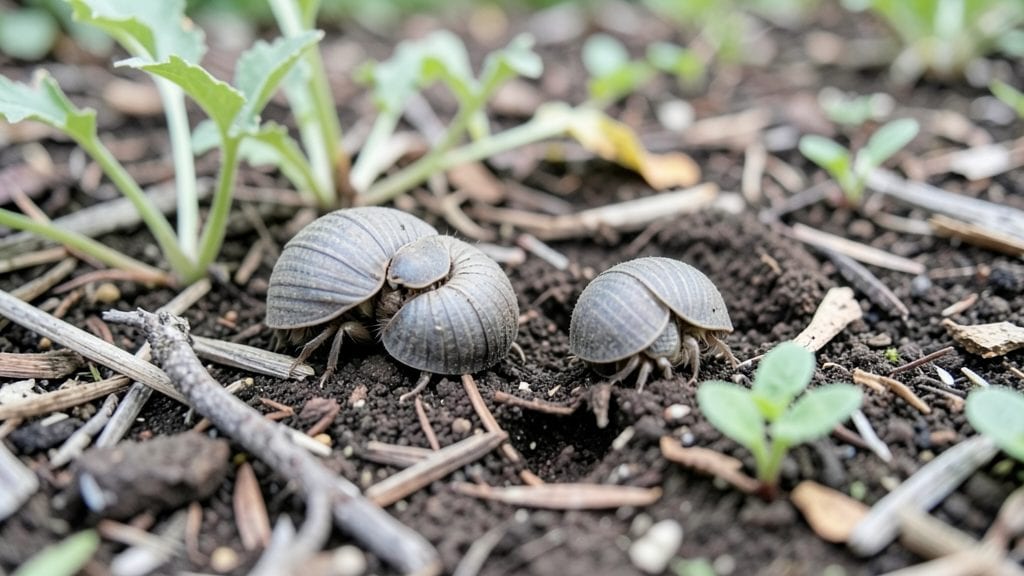
Pillbugs in garden soil don't mean your plants are doomed—they're actually harmless decomposers that help break down organic matter. 🌱 I used to panic every time I spotted those tiny, armor-plated critters rolling around my beds, but they’re more helpful than harmful.
The real issue is when they gather in large numbers, turning mulch into a soggy mess or making your garden look untidy.
These little guys thrive in damp, shady spots with lots of decaying leaves or wood chips. While they won’t eat your plants, their presence signals conditions that might attract pests or fungi.
The good news? Simple fixes like improving drainage, reducing mulch thickness, and keeping beds tidy can make your garden less appealing to them without chemicals.
You’ll see fewer pillbugs within days of adjusting moisture levels and cleanup habits. The soil stays healthier, your mulch stays crumbly, and you avoid the need for harsh sprays. Best of all, your garden remains a balanced ecosystem where beneficial critters still do their job.
Works for vegetable gardens, flower beds, and even container setups—just focus on the basics. Let’s get your soil back to its best without the unwanted guests.
Root Causes Of Pillbug Invasion
Pillbugs may seem like tiny nuisances, but their presence in your garden is rarely random—it’s usually a response to specific environmental cues. Understanding these triggers helps you address the issue at its source, not just the symptoms. Here’s why these armored critters are moving in:
Pillbugs thrive in damp, humid conditions because their exoskeletons don’t allow for efficient water retention.
If your garden has: - Overly wet soil (e.g., from poor drainage, excessive watering, or clay-heavy soil). - Decaying organic matter (like thick mulch piles, rotting leaves, or compost heaps). - Shady, low-lying areas where moisture lingers after rain.
Pillbugs aren’t just visiting—they’re setting up shop. Their preference for humidity explains why they cluster under rocks, logs, or dense plant debris. Actionable fix: Improve drainage with sand or gravel, and avoid overwatering. If mulch is too thick, spread it thinner or use straw instead.
Pillbugs are detritivores—they love feasting on decomposing plant material.
If your garden is a smorgasbord of: - Leaf litter (especially thick layers of fallen leaves or grass clippings). - Dead plant matter (wilted flowers, pruned branches, or vegetable scraps left in beds). - Wooden structures (chips, mulch, or untreated logs providing shelter and food).
They’ll roll in like tiny, armored cleanup crews—but their presence can signal an imbalance. Actionable fix: Regularly clear debris from garden beds, especially in corners or under plants. Compost away from garden edges to avoid attracting them.
Pillbugs flourish in gardens that feel like a jungle to them—dense, unkempt, and full of hiding spots.
Key red flags: - Weedy patches (especially broadleaf weeds like lamb’s quarters or dandelions). - Thatch buildup in lawns or garden beds (a spongy layer of dead grass/roots). - Lack of disturbance (e.g., no tilling, hoeing, or seasonal cleanup).
Without regular intervention, these spaces become pillbug paradises. Actionable fix: Mow high (3–4 inches) to reduce thatch, pull weeds consistently, and lightly till soil in spring to disrupt their habitats.
Sometimes, we unintentionally create the perfect pillbug haven.
Common culprits: - Overwatering (especially in the evening, which traps moisture). - Using bark mulch (retains moisture longer than alternatives like pine straw). - Storing firewood or compost near garden beds (creates a moisture bridge). - Ignoring gutter downspouts (directing excess water into garden soil).
Pillbugs don’t discriminate—they’ll take advantage of any moisture or shelter we provide. Actionable fix: Adjust watering schedules (early morning only), opt for drier mulches, and relocate firewood/compost piles at least 10 feet from garden edges.
Pillbug populations naturally spike during:
- Spring rains (when soil moisture peaks).
- Fall leaf drop (abundant food sources).
- Humid summers (especially in shaded areas).
If your garden is already prone to moisture retention, these seasons amplify the issue. Actionable fix: Monitor weather forecasts and preemptively reduce mulch thickness or add gravel pathways in high-risk areas during wet seasons.
Pro Tip: 🔍 Pillbugs aren’t pests—they’re nature’s recyclers. If you’re seeing them in small numbers, they’re likely helping break down organic matter. The goal isn’t eradication but balance. Focus on reducing extreme moisture and debris, and they’ll stay in check without harming your soil!
Humane Ways to Remove Pillbugs
Pillbugs may seem harmless, but their presence in large numbers can damage young plants, leave unsightly trails, and even attract pests. The good news? You can manage them effectively without resorting to harsh chemicals that harm your soil or beneficial insects.
Below are practical, eco-friendly solutions tailored to the root causes of your pillbug problem—whether they’re drawn to moisture, decaying matter, or hiding spots.
Pillbugs thrive in moist environments, so if your garden is consistently soggy, they’ll stick around. Here’s how to dry them out naturally:
🔥 Reduce Irrigation
- Water deeply but less frequently—aim for 1–1.5 inches per week (including rainfall).
- Avoid overhead watering (like sprinklers), which keeps soil damp longer.
Instead, use drip irrigation or soaker hoses to deliver water at the roots. - Check drainage—if water pools in low spots, add compost or sand to improve soil aeration.
🍳 Adjust Mulch Practices
- Use coarse mulch (like pine straw or wood chips) instead of fine mulch, which holds moisture.
- Keep mulch 2–3 inches away from plant stems to prevent fungal growth that attracts pillbugs.
- Avoid organic mulch in wet climates—opt for gravel or rubber mulch in problem areas.
👨🍳 Install Drainage Solutions
- Add a French drain in low-lying garden beds to redirect excess water.
- Raise garden beds slightly (even 1–2 inches) to improve airflow and evaporation.
- Use terracotta pots upside-down in damp spots as makeshift drainage covers.
Pillbugs feast on rotting leaves, compost, and dead plant debris. Remove their buffet to discourage them:
🔪 Remove Debris Regularly
- Rake up fallen leaves and compost scraps weekly, especially in fall and spring.
- Store compost in a sealed bin with a tight-fitting lid—pillbugs will avoid it if they can’t access it.
- Turn compost piles frequently to speed up decomposition and reduce moisture buildup.
🥘 Prune Overgrown Plants
- Trim dead or dying plants to eliminate hiding spots and food sources.
- Clean up garden waste immediately—don’t leave cuttings or weeds lying around.
- Avoid thick ground covers (like ivy or creeping charlie) that trap moisture and debris.
If pillbugs are already in your garden, physical barriers and traps can help relocate them without chemicals.
🌡️ DIY Beer Traps (Non-Toxic)
- Fill a shallow dish (like a pie tin) with beer or apple cider vinegar.
- Bury it slightly in the soil near problem areas—pillbugs are attracted to the yeast and drown.
- Check traps daily and dispose of pillbugs far from your garden (like in a wooded area).
🎯 Create Physical Barriers
- Line garden beds with hardware cloth (¼-inch mesh) before adding mulch or soil.
- Use copper tape around raised beds—pillbugs dislike the metal and will avoid crossing it.
- Apply diatomaceous earth (food-grade) lightly around plants—it dehydrates pillbugs but breaks down harmlessly.
✨ Relocate Pillbugs Humanely
- Use a damp towel to gently scoop pillbugs into a bucket of water.
- Release them in a wooded area far from your garden (they’ll find moisture there naturally).
- Do this in the evening when they’re most active.
Once you’ve addressed the immediate issue, keep pillbugs from returning with these habits:
- 🔥 Rotate crops to disrupt pillbug life cycles (they prefer certain plants like lettuce and cabbage). - 🌡️ Plant pillbug-repelling herbs like mint, thyme, or rosemary near vulnerable plants. - 🎯 Encourage natural predators—birds, toads, and ground beetles eat pillbugs.
Add a small water feature to attract them. - ✨ Inspect new plants before adding them to your garden—pillbugs often hitch a ride on soil or mulch.
- Avoid chemical pesticides—they kill beneficial insects and harm soil microbes.
- Don’t over-till—this can expose pillbug eggs and encourage more to move in.
- Skip the salt or soap sprays—these can burn plants and disrupt soil ecosystems.
By reducing moisture, removing food sources, and using humane traps, you can keep pillbugs in check without damaging your garden’s health. With a little consistency, your plants will thrive—and the pillbugs will find a new home elsewhere! 🌿🚫🐜
Frequently asked questions
Are pillbugs actually harmful to my garden?
No, pillbugs are harmless decomposers that help break down organic matter! However, large numbers can create soggy mulch, damage young seedlings, and make your garden look messy. Their presence usually signals excess moisture or decaying plant material rather than direct harm to your plants.
Why do I see more pillbugs after rain?
Pillbugs thrive in damp conditions—their exoskeletons can't retain moisture well, so they seek shelter in wet soil. After rain, they become more active and visible as they search for food in decaying leaves or mulch. This is especially common in shaded, low-lying areas where water pools.
Will diatomaceous earth kill pillbugs or just dehydrate them?
Diatomaceous earth dehydrates pillbugs by damaging their exoskeletons, but it won't kill them instantly. Apply a thin layer around plants or garden edges in the evening (when they're active) and reapply after rain. Always use food-grade DE to avoid harming beneficial insects or soil microbes.
Can I use coffee grounds to repel pillbugs?
Yes! Coffee grounds create an environment pillbugs dislike due to their acidity and texture. Sprinkle used grounds around garden beds or mix them into mulch. However, they work best as a preventive measure rather than a cure—combine with other dryness-reducing strategies for best results.
How do I know if my pillbug problem is severe?
Look for these signs: large clusters under rocks/mulch, visible damage to young plants, or mulch turning into a thick, wet paste. If you see more than a handful in one spot or notice plants struggling, it's time to take action. Small numbers are normal and beneficial for decomposition.