
Pests and Diseases
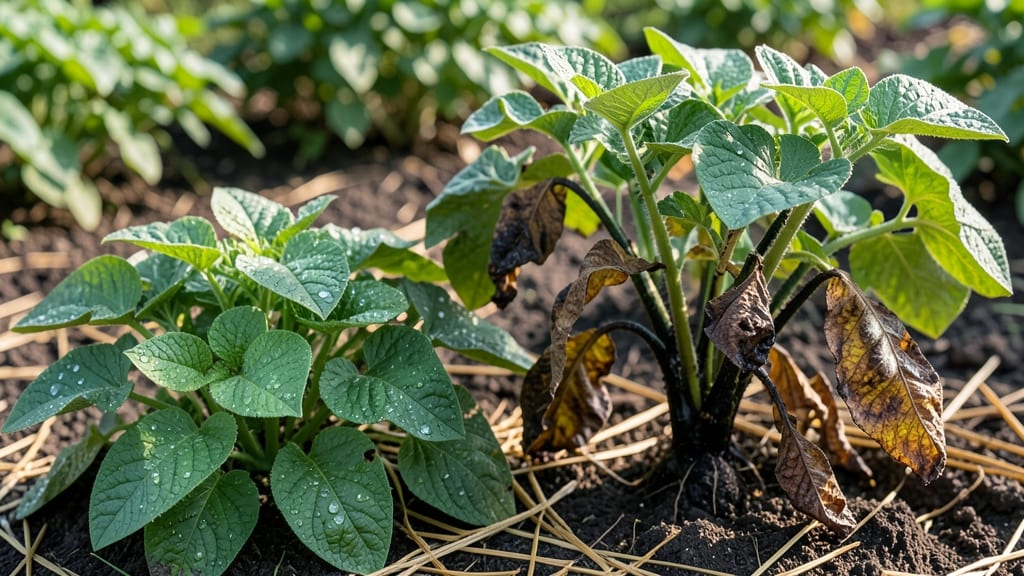
Pink fungus creeping across your garden’s stems and leaves isn’t just unsightly—it’s a silent killer that can defoliate roses, fruit trees, and shrubs in weeks if you don’t act fast. 🌿 I’ve seen this Corticium fungus turn lush plants into skeletal remains, and the key to saving them is catching it early before it spreads.
The telltale sign is that pink, cottony growth along stems or leaf veins, often starting in damp, shaded areas. Roses, peaches, and azaleas are especially vulnerable, but it can jump to nearby plants if spores take hold.
The fungus thrives in humid conditions, so pruning for airflow and removing infected branches immediately can stop it in its tracks.
You’ll need a combination of copper fungicide sprays (organic or chemical) and pruning shears sterilized with rubbing alcohol to cut out infected areas. Start at the first sign of pink fuzz, and you’ll give your plants a fighting chance—sometimes even reviving them completely if caught early.
Prevention is the real game-changer: space plants for airflow, water at the base (not overhead), and clean up fallen leaves where spores hide. Once you’ve dealt with the outbreak, keep an eye out for it next season—this fungus doesn’t forget its favorite hosts.
Why it happens
Pink fungus—officially known as Trichoderma harzianum or Penicillium species—isn’t just a random nuisance; it thrives due to specific environmental and biological triggers. Understanding these causes is the first step to stopping its spread.
Below, we break down the key factors that turn your garden into a breeding ground for this invasive mold.
🌡️ Overly Warm, Humid Conditions
Pink fungus loves heat and moisture—think of it as a tropical vacation for microscopic spores. When temperatures hover between 77°F and 86°F (25°C–30°C) with high humidity (above 70%), the fungus grows aggressively.
This explains why it’s so common in summer gardens, greenhouses, or shaded areas where air doesn’t circulate well.
- Why it happens: Warmth speeds up fungal metabolism, while humidity keeps spores hydrated and ready to infect. Poor airflow traps moisture against plant surfaces, creating the perfect petri dish.
- Actionable fix:
- Space plants 3–6 inches apart to improve airflow.
- Water early in the morning so foliage dries by evening.
- Use a fan or oscillating vent in greenhouses to reduce humidity.
🍄 Poor Soil Drainage Or Overwatering
Pink fungus isn’t picky—it’ll colonize waterlogged soil just as easily as it will soggy mulch or damp leaves. Overwatering or compacted soil prevents roots from breathing, creating stress signals that attract fungal spores like a dinner bell.
- Why it happens: Fungi thrive in anaerobic (low-oxygen) environments. When soil stays wet for more than 24 hours, beneficial microbes die off, and pathogens like pink fungus take over. Clay-heavy or poorly amended soil worsens the problem by trapping excess moisture.
- Actionable fix:
- Test your soil’s drainage by digging a 6-inch hole—if water pools after 30 minutes, amend with perlite or compost.
- Switch to drip irrigation or soaker hoses to deliver water directly to roots, not leaves.
- Avoid mulching too thickly (keep it to 2–3 inches) near the stem.
🌱 Weakened Or Stressed Plants
Healthy plants resist pink fungus, but stressed ones become easy targets. Fungal infections often follow physical damage, nutrient deficiencies, or pest attacks, creating entry points for spores.
- Why it happens:
- Nitrogen deficiency: Yellowing leaves (chlorosis) weaken cell walls, making them vulnerable to fungal penetration.
- Mechanical damage: Pruning cuts, hail, or even insect bites (like from aphids) create wounds where spores land and germinate.
- Transplant shock: Newly planted or recently repotted plants have compromised root systems, making them prime hosts.
- Actionable fix:
- Fertilize with a balanced NPK (10-10-10) formula to boost plant resilience.
- Prune only with sterilized tools and seal cuts with copper fungicide.
- Quarantine new plants for 2 weeks before introducing them to your garden.
🔄 Contaminated Tools Or Compost
Pink fungus spreads via spores carried on tools, soil, or organic matter. Even a single contaminated leaf or shovel can reintroduce the problem after you’ve treated it.
- Why it happens: Spores survive for weeks in moist, shaded conditions. If you reuse unsterilized pruners, gloves, or compost from an infected area, you’re essentially seeding the fungus elsewhere.
- Actionable fix:
- Clean tools with 70% isopropyl alcohol or a 10% bleach solution between uses.
- Avoid using fresh compost (especially homemade) until it’s fully decomposed (120°F+ for 3 days) to kill spores.
- Disinfect pots and containers with a hydrogen peroxide (3%) spray before reuse.
🌿 Close Plant Proximity In Host-Friendly Gardens
Some plants are more susceptible to pink fungus than others, especially tender perennials, seedlings, and cuttings. Crowding these plants accelerates spore transmission.
- Why it happens: Fungi spread via airborne spores or direct contact. In dense plantings, spores hitchhike on wind or splashing water from one host to another. Succulent plants, ferns, and young vegetables are frequent victims.
- Actionable fix:
- Group high-risk plants (like basil or impatiens) away from shade-loving species.
- Rotate crops annually to disrupt fungal buildup in the soil.
- Remove infected leaves immediately (don’t compost them—bag and trash them).
How to Treat and Prevent Fungal Spread
Pink fungus in your garden isn’t just unsightly—it can weaken or even kill your plants if left unchecked. The good news? With the right approach, you can eliminate existing infections and prevent future outbreaks using simple, garden-friendly methods.
Below, we break down solutions by cause, so you can act fast and protect your green space.
Cause: Fungal spores thrive on decaying organic matter. Fix: The first line of defense is containment.
- 🔪 Prune affected areas with sterilized shears (wipe with rubbing alcohol between cuts).
- 🗑️ Dispose of infected leaves, stems, or flowers in a sealed trash bag—do not compost them.
- 🌿 For severe cases, dig up and remove entire infected plants to stop spore spread.
Pro Tip: 💡 If the fungus is on roses or shrubs, cut back to healthy green tissue—never leave pink or discolored growth.
Cause: Fungal spores linger on tools, pots, and soil. Fix: Break the cycle with deep cleaning.
- 🧴 Sterilize tools after each use with a 10% bleach solution (1 part bleach to 9 parts water) or 70% isopropyl alcohol.
- 🌿 Wash pots and containers with soapy water, then rinse with a baking soda solution (1 tbsp baking soda per gallon of water).
- 🔥 For heavily contaminated soil, mix in copper fungicide or neem oil (follow label rates) to suppress spores.
Pro Tip: ✨ Solarize your soil in late summer by covering it with clear plastic for 4–6 weeks to kill fungi naturally.
Cause: Overly humid, shaded, or waterlogged gardens create fungal paradises. Fix: Optimize growing conditions to discourage fungal growth.
- ✂️ Thin out dense foliage to allow sunlight and air to circulate.
- 💧 Water at the base (avoid overhead sprinkling) and early in the day so leaves dry quickly.
- 🪴 Elevate pots to prevent water pooling, and ensure containers have drainage holes.
- 🌿 Mulch lightly (1–2 inches) with straw or pine needles (avoid thick organic mulch, which traps moisture).
Pro Tip: 🌡️ Avoid watering at night—cool, damp evenings are prime fungal breeding time.
Cause: Resistant or widespread infections need targeted solutions. Fix: Use organic or chemical fungicides based on severity.
| Treatment | How to Use | Best For |
|---|---|---|
| Neem Oil | Mix 1–2 tbsp neem oil + 1 tsp mild soap per gallon of water. Spray foliage. | Early-stage infections, prevention. |
| Baking Soda Spray | 1 tbsp baking soda + 1 quart water + few drops of soap. Spray undersides of leaves. | Powdery mildew, mild pink fungus. |
| Copper Fungicide | Follow label instructions; reapply every 7–14 days. | Severe or recurring outbreaks. |
| Hydrogen Peroxide | 3% solution (1 tbsp per gallon water). Spray on leaves (test on a small area first). | Disinfecting tools/soil, spot treatment. |
Pro Tip: 🎯 Rotate treatments to prevent fungal resistance—don’t rely on just one method.
Cause: Weak or stressed plants are easier targets. Fix: Boost plant health to fight off infections naturally.
- 🌱 Choose resistant varieties (e.g., disease-resistant roses or tomatoes).
- 💪 Feed plants with compost or balanced fertilizer (avoid over-fertilizing with nitrogen).
- 🍄 Introduce beneficial microbes like Trichoderma fungi or Bacillus subtilis (available as soil drenches).
- 🐞 Encourage predatory insects (like ladybugs) that feed on fungal spores.
Pro Tip: 💪 Avoid wounding plants—rough handling or pruning invites fungal entry points.*
If pink fungus has spread rapidly or your plants are already dying:
- 🛑 Isolate infected plants immediately to prevent cross-contamination.
- 🔥 Apply a systemic fungicide (like myclobutanil) for stubborn cases—follow safety instructions.
- 🌱 Replace heavily damaged plants if they’re beyond saving (sterilize the area first).
✅ Inspect new plants before bringing them home (quarantine for 2 weeks). ✅ Rotate crops if growing vegetables to avoid soil-borne fungal buildup. ✅ Store tools in a dry place and clean them after each use. ✅ Monitor humidity—aim for 40–60% relative humidity in your garden. ✅ Test your soil’s pH—most fungi thrive in acidic soil (pH < 6.0); amend with lime if needed.
Final Thought: 🌿 Pink fungus may seem intimidating, but with quick action and smart prevention, you can keep your garden thriving. Start with removal and cleaning, then focus on long-term fixes like airflow and plant care. Your green space will thank you!
Frequently asked questions about pink fungal growth in gardens
What plants are most vulnerable to pink fungal infections?
Roses, peaches, azaleas, and young seedlings are especially at risk, but the fungus can affect nearly any plant in damp conditions. Succulents, ferns, and tender perennials like impatiens often show symptoms first because their delicate tissues provide easy entry for spores.
How can I tell if my garden has pink fungus versus harmless lichen?
Pink fungus appears as soft, cottony growth along stems or leaf veins, often spreading rapidly in warm, humid weather. Lichen, in contrast, is crusty or leafy, grows slowly, and doesn't spread aggressively. Scrape a small area—fungus will leave behind a pinkish residue, while lichen won't.
Is it safe to compost leaves infected with pink fungus?
No—composting infected plant material spreads spores and can reintroduce the fungus to your garden. Always bag and trash heavily infected leaves, stems, or flowers. For lightly infected foliage, solarize it (place in a sealed black bag in full sun for 2 weeks) before composting.
Can I use household items like vinegar to treat pink fungus?
Yes, but with caution. A 1:1 vinegar-water spray (applied in early morning) can help suppress mild infections, but it may burn tender leaves. For better results, mix 1 tablespoon baking soda + 1 quart water + a few drops of soap—this is gentler and more effective for early-stage fungal growth.
How long does it take to see results after treating pink fungus?
With immediate action (pruning + fungicide), you may see improvement in 3-7 days, but severe cases can take 2-3 weeks to fully resolve. Consistency is key—reapply treatments every 7-14 days until new growth appears free of pink fuzz. Monitor humidity and airflow to prevent recurrence.