
Planting
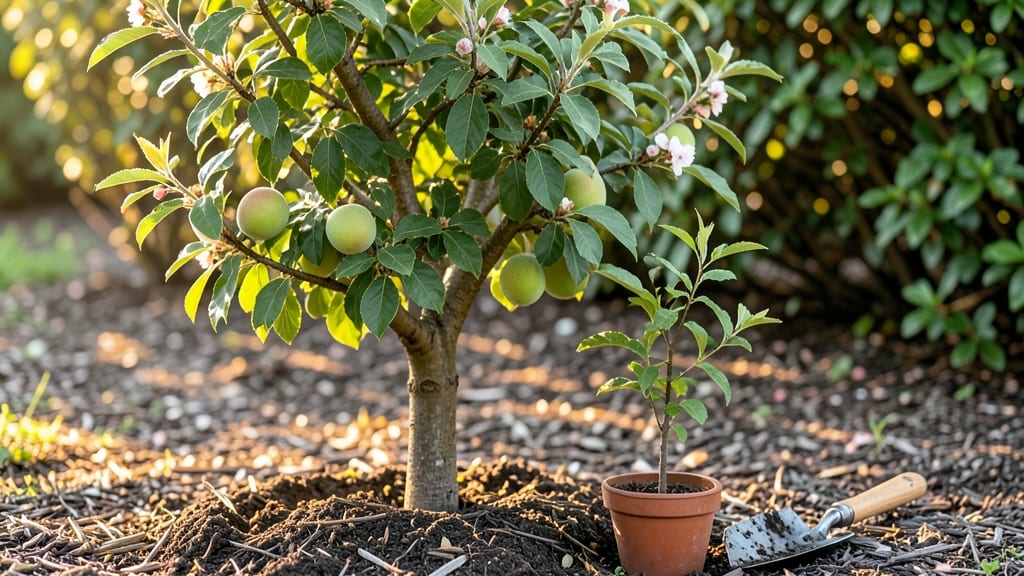
Plant a little garden and you’ll eat a lot of peaches—just start with the right dwarf varieties and smart spacing. 🌱 I learned this the hard way—my first peach tree took up half my yard and barely produced fruit.
Now I grow three trees in a corner, and we eat peaches from July through September.
The secret is choosing compact varieties like 'Bonanza' or 'Redhaven' that stay under 10 feet tall. Pair them with a sturdy trellis or espalier system to save even more space. You’ll need well-draining soil, full sun, and a spot sheltered from strong winds to protect delicate blossoms.
With proper pruning and thinning, each tree can produce 50-100 pounds of fruit—enough for fresh eating, jams, and sharing with neighbors. The key is consistent care: water deeply during dry spells, fertilize lightly in early spring, and watch for pests like peach tree borers.
This approach works for urban backyards, small patios, or even large containers. Whether you're a first-time gardener or a seasoned grower, these dwarf varieties make peach growing foolproof—and the taste is worth every effort.
📚 In This Guide
- What you need
- Instructions
- Tips and common mistakes
- Wrapping up and next steps
What you need
- ● Dwarf peach tree varieties (2–4 plants): Choose self-pollinating or cross-pollinating varieties like Bonanza, Redhaven, or Elberta (check local climate zones).
- ● Size: 3–6 feet tall (ideal for containers or small gardens).
- ● Container or planting site: For containers: 5-gallon pots or larger (18"+ diameter) with drainage holes.
- ● For in-ground: Well-draining soil in a sunny spot (6+ hours of light/day).
- ● High-quality potting mix or garden soil (amended with compost).
- ● Organic fertilizer (balanced 10-10-10 or fruit-specific blend).
- ● Mulch (straw, wood chips, or pine needles).
- ● Pruning shears (sterilized).
- ● Watering can or hose with gentle spray nozzle.
- ● Pollinator-friendly plants (e.g., lavender, marigolds) to boost fruit set.
- ● Tree ties or stakes for young trees in windy areas.
- ● Fruit thinners (if overloaded with peaches).
- ● Drip irrigation system for consistent moisture.
- ● Peach tree spray (organic copper fungicide for pests/diseases).
Step-by-Step guide for planting dwarf peach trees
Here's how to grow a productive peach orchard in small spaces with minimal fuss.
🪴 Step 1: Choose the Right Location and Prepare the Soil
Dwarf peach trees thrive in full sun—at least 6-8 hours daily—so pick the sunniest spot in your yard. Avoid low areas where cold air settles, as peaches need 100-300 chill hours below 45°F to fruit properly. I always test my soil first with a simple pH kit; peaches prefer 6.0-7.0. If your soil is heavy clay, mix in 2-3 inches of compost from your list to improve drainage.
Dig a hole twice as wide as the root ball but only as deep as the container the tree came in. Loosen the sides of the hole so roots can spread easily. Place a handful of slow-release fertilizer at the bottom—this gives your tree a nutrient boost right when it needs it most. Water the hole thoroughly before planting to settle the soil.
🌱 Step 2: Plant Your Dwarf Peach Trees
Gently remove the tree from its container and loosen any circling roots with your fingers. Position the tree so the graft union (the bump where the scion was attached) sits 2-3 inches above soil level. This ensures the tree grows true to its dwarfing rootstock. Fill the hole halfway with soil, then water again to remove air pockets.
Backfill the rest of the hole, pressing down lightly to eliminate gaps. The soil should settle naturally, so don’t pack it too firmly. Create a 2-inch-high berm around the base to hold water during irrigation. Mulch with 3 inches of wood chips, keeping it 6 inches away from the trunk to prevent rot. Water deeply right after planting—this helps the roots establish contact with the surrounding soil.
☀️ Step 3: Provide Ongoing Care for Healthy Growth
Water your dwarf peach trees once a week during the first growing season, giving them 1-2 gallons per tree each time. Check the soil 2 inches down—if it’s dry, it’s time to water. Avoid wetting the leaves to prevent fungal diseases like brown rot. Once established, trees need less frequent watering but still require deep soakings during dry spells.
Fertilize in early spring with the slow-release fertilizer you mixed in at planting. In mid-summer, apply a balanced 10-10-10 fertilizer to encourage fruit development. Prune in late winter before buds swell, removing any dead, crossing, or inward-growing branches. Thin fruit in early summer to 6-8 inches apart—this ensures larger, sweeter peaches and reduces disease pressure.
⏰ Step 4: Protect and Harvest for Maximum Yield
Cover young trees with frost cloth if your area gets late spring frosts, as peach blossoms are extremely sensitive to cold. Thin fruit again in late summer if branches look overloaded—this prevents limb breakage and improves air circulation. Harvest peaches when they easily detach from the tree with a slight twist and have full color (though some varieties stay green). Use a fruit picker or small ladder to avoid damaging branches.
Once harvested, store peaches at room temperature for a few days to ripen fully. For long-term storage, keep them in the fridge for up to 2 weeks. I always save a few to dry or freeze—nothing beats homemade peach slices in winter. With proper care, your dwarf peach trees will produce abundant harvests for years to come, even in small spaces.
Tips & tricks for perfect dwarf peach tree planting
Here's what I learned after planting my own dwarf peach orchard—and how you can avoid my early mistakes.
Sunlight Strategy: That 6-8 hours of daily sun is non-negotiable for dwarf peaches. I planted mine in a spot that got morning sun but afternoon shade, and the trees struggled to fruit. If your yard has limited sun, consider using reflective mulch or a nearby wall to bounce extra light onto the trees. Trust me, the difference in fruit production is dramatic.
Chill Hours Check: The 100-300 chill hours below 45°F are critical for fruit set. If you live in a warm climate, choose dwarf varieties specifically bred for low-chill requirements like 'Bonanza' or 'Redhaven'. I once planted a regular variety in my mild-winter zone and got almost no fruit—don't make that mistake!
Rootball Handling: When removing your dwarf peach from the container in Step 2, be gentle with those roots—especially circling ones. I used to just yank them out, but now I tease them apart with my fingers and trim any that wrap around the center. This helps the roots spread properly in their new home and prevents girdling as the tree matures.
Watering Wisdom: Those weekly waterings in the first year are crucial, but timing matters too. Water in the morning so leaves have time to dry before evening. I learned this the hard way when my first batch of trees developed brown rot from overnight moisture. A soaker hose makes this easy and prevents leaf wetting.
Pro Tips for Plant A Little Garden Eat A Lot Of Peaches
- Here's what I learned after planting my own dwarf peach orchard—and how you can avoid my early mistakes.
- Sunlight Strategy: That 6-8 hours of daily sun is non-negotiable for dwarf peaches.
- Chill Hours Check: The 100-300 chill hours below 45°F are critical for fruit set.
Frequently asked questions
Got questions about growing your own peach paradise? You’re not alone—here are answers to the most common queries to help you get started confidently!
Can I grow peaches in containers or small spaces?
Dwarf peach trees thrive in containers (15+ gallons) or even small backyards. Just ensure the pot has drainage and use well-draining soil. Place them in full sun (6+ hours/day) and prune regularly to keep them compact. Pro tip: Varieties like ‘Bonanza’ or ‘Redhaven’ are perfect for tight spaces!
How long does it take for a dwarf peach tree to bear fruit?
With proper care, dwarf peach trees can produce fruit in 2–3 years—sometimes even sooner! Young trees focus on root/leaf growth first, but consistent watering, sunlight, and a balanced fertilizer (like 10-10-10) speed up fruiting. Patience pays off!
What’s the best time to plant a peach tree?
Plant bare-root trees in late winter or early spring (before buds swell) or container-grown trees in fall or early spring. Avoid extreme heat—root systems need time to establish. Check your USDA zone: Zones 5–9 are ideal for most dwarf varieties.
Do peach trees need pollination? Can I grow just one?
Most peach trees are self-pollinating, but cross-pollination (via bees or wind) often improves yields. Planting two compatible varieties (e.g., ‘Elberta’ + ‘Redhaven’) ensures better fruit set. Bonus: Bees love peach blossoms—plant flowers nearby to attract them!
Why aren’t my peach tree leaves turning green, or are there brown spots?
Yellowing leaves often signal nutrient deficiency (try iron/chelated fertilizer) or overwatering. Brown spots? Likely fungal disease (peach leaf curl) or pests (aphids). Prune affected areas, apply copper fungicide early spring, and keep foliage dry. Prevention: Space trees for airflow!
Can I grow peaches in colder climates (Zone 4 or lower)?
Most dwarf peaches need Zones 5–9, but cold-hardy varieties like ‘Contender’ or ‘Reliance’ tolerate brief chills. Use mulch (straw or wood chips) and winter wraps for young trees. Alternative: Grow in containers and move indoors during freezes!
Wrapping up and next steps
There you have it—your ticket to a sweet, sunlit peach paradise without the space or wait! Dwarf peach trees prove that big flavors don’t need big yards, just a little love (and maybe a trellis 🌱).
Whether you’re a city dweller with a balcony or a suburban homesteader, these compact varieties make fresh, juicy peaches feel like a no-fuss reality.
Ready to dive in? Start small—pick one or two varieties that suit your climate and taste, gather your tools, and plant your first tree this weekend. Before you know it, you’ll be sharing (or hoarding 🍑) peaches like a pro. Happy planting—and even happier eating!