
Landscaping
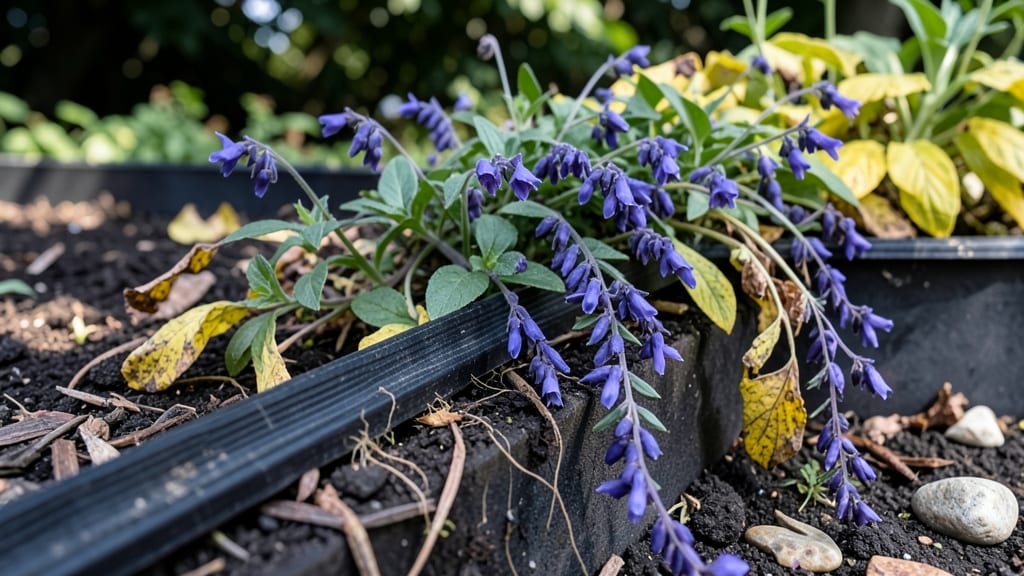
Many gardeners choose plastic edging for its affordability and ease of installation, but these benefits come with hidden trade-offs. 🌱 The rigid plastic creates an artificial barrier that prevents soil from expanding naturally during freeze-thaw cycles, leading to cracks and erosion over time.
Worse yet, some plastics contain phthalates or other additives that can leach into the soil, potentially harming beneficial microbes and plant roots. Even "eco-friendly" plastic alternatives often lack the permeability needed for healthy soil ecosystems.
If you're concerned about soil health, consider switching to permeable materials like composite lumber or recycled rubber, which allow water and nutrients to flow while still providing structure.
For temporary projects, plastic may be acceptable—but for permanent garden beds, investing in a more breathable option will pay off in stronger plants and healthier soil down the road.
💡 In This Article
- How Plastic Edging Damages Soil and Roots
- Safer Edging Materials for Long-Term Garden Health
How plastic edging damages soil and roots
The real danger of plastic edging lies in its physical and chemical properties. When installed, the rigid plastic creates an impermeable barrier that prevents soil from expanding naturally during seasonal temperature shifts. This causes soil compaction—especially problematic in clay-heavy soils where moisture expansion is critical.
Studies show compacted soil can reduce root growth by up to 40% in some plant species, as roots struggle to penetrate the dense barrier created by plastic.
The problem worsens with poor aeration. Healthy soil needs 20-30% porosity for oxygen exchange, but plastic edging restricts this airflow to the root zone. Without proper oxygen, roots undergo anaerobic respiration, producing toxic ethanol instead of energy.
This process, called root asphyxiation, manifests as yellowing leaves, stunted growth, and eventual plant death—often misdiagnosed as nutrient deficiencies. 🌱
Chemical risks add another layer. Most plastic edging contains phthalates or BPA (even in "BPA-free" versions), which leach into soil over time. These endocrine disruptors can alter plant hormone signaling, leading to deformed growth patterns.
A 2018 University of California study found that plastic leachates reduced beneficial microbial populations by 35%, weakening soil structure and nutrient cycling.
Compare this to organic alternatives like cedar or composite lumber. These materials allow soil to breathe while providing structure—cedar naturally resists rot and contains antifungal compounds. Metal edging (like galvanized steel) offers durability without chemical leaching, though it requires proper grounding to prevent corrosion.
The key difference? Organic materials degrade safely when replaced, while plastic fragments persist for centuries.
Even "eco-friendly" plastic alternatives often fail to address the core issue: impermeability. For example, recycled plastic lumber may break down faster but still blocks water infiltration.
The rigid barrier prevents natural soil movement, which is why gardeners using plastic edging often see increased erosion at the edges—water pools against the barrier instead of draining through.
What most gardeners don't realize is how this affects long-term soil health. Healthy soil expands and contracts with seasonal changes, but plastic edging locks it into a rigid box. Over 3-5 years, this creates micro-cracks in the soil structure, accelerating erosion and reducing water retention.
The result? Plants require more frequent watering, and beneficial microbes struggle to thrive in the altered environment.