
Pests
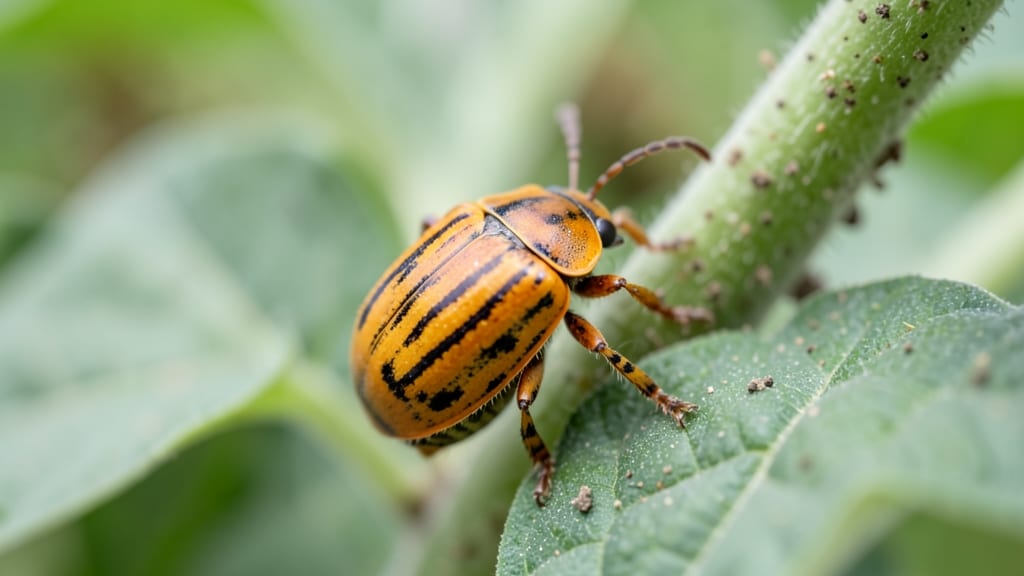
Those pesky potato bugs in garden can turn your potato plants into skeleton leaves overnight—so I’ve spent years testing the fastest ways to stop them before they even start. These pests target not just potatoes but also tomatoes, eggplants, and peppers, making them a serious threat to backyard harvests.
The good news? You don’t need harsh chemicals to win this fight. Simple household ingredients like dish soap, neem oil, and garlic create effective sprays that disrupt their life cycle without harming beneficial insects.
My garden journals show that consistent applications—every 5 to 7 days—keep beetle populations in check while maintaining soil health.
By mixing these natural solutions, you’ll see fewer chewed leaves and more robust plants within 2-3 weeks of treatment. The sprays work by smothering eggs, repelling adults, and disrupting larval feeding, giving your crops a fighting chance.
Plus, you’ll avoid the chemical residue that can linger in your soil and produce.
This approach works for backyard gardens, raised beds, and even container-grown vegetables. Whether you’re growing heirloom potatoes or hybrid tomatoes, these methods protect your plants while keeping your garden ecosystem balanced. Let’s get those beetles under control—naturally.
Root Causes of Garden Invaders
Potato bugs—often mistaken for Colorado potato beetles or other leaf-munching pests—don’t just appear in your garden out of nowhere. Their presence is usually a sign of underlying conditions that make your plants irresistible (or your garden an ideal breeding ground).
Understanding these triggers is the first step to reclaiming your green space. Let’s break down the key reasons these critters show up and how they exploit your garden’s weaknesses.
Healthy plants are resilient, but when they’re struggling, they become way more attractive to pests. Overcrowding, poor soil quality, or nutrient deficiencies weaken plants, making them easier targets for hungry bugs. Here’s why:
- Competition for resources: When plants are packed too tightly, they compete for water, sunlight, and nutrients. Weakened foliage is softer and more palatable to pests like potato bugs, which thrive on tender leaves.
- Nutrient deficiencies: Plants deficient in nitrogen (a key building block for leaves) produce thinner, less robust foliage. Potato bugs love this weak, high-water-content plant matter.
- Water stress: Overwatering or drought can stress plants, making them release chemical signals that attract pests. Some bugs are drawn to plants emitting distress signals, like volatile organic compounds (VOCs).
Actionable fix: Space plants properly (follow seed packet guidelines), amend soil with compost, and monitor moisture levels to keep plants thriving.
Potato bugs (and their beetle cousins) have a serious appetite for plants in the nightshade family—think tomatoes, potatoes, peppers, and eggplants. But they don’t just show up randomly; they’re lured by specific conditions:
- Abundant host plants: If your garden is a buffet of nightshade veggies, potato bugs will move in. A single infested plant can attract dozens more, as they release pheromones to signal food sources.
- Young, tender growth: New shoots and leaves are delicious to these pests. They prefer the soft, nutrient-rich tissue found in actively growing plants.
- Sheltered environments: Gardens with dense mulch, tall weeds, or ground cover provide hiding spots for bugs during the day. They emerge at dawn and dusk to feed, making them harder to spot.
Actionable fix: Rotate crops yearly to disrupt their life cycle, remove volunteer nightshade plants (like wild tomatoes), and keep garden beds tidy to eliminate hiding spots.
Potato bugs (especially Colorado potato beetles) have a highly synchronized life cycle tied to seasonal changes. Their appearance isn’t random—it’s strategic:
- Overwintering adults: Beetles hibernate in soil or leaf litter over winter. When temperatures rise above 50°F (10°C), they emerge to lay eggs on the undersides of leaves.
- Rapid reproduction: A single female can lay 40–60 eggs in her lifetime, which hatch in 3–10 days under warm conditions. Larvae (the "bugs" you see munching leaves) go through 4 growth stages in just 2–3 weeks.
- Generational overlap: In warm climates, multiple generations can emerge in one season, leading to explosive infestations if left unchecked.
Actionable fix: Monitor plants in early spring for adult beetles and remove them manually. Use row covers to block egg-laying females, and handpick larvae before they pupate.
Your garden’s ecosystem plays a huge role in pest attraction. Certain conditions make it a magnet for potato bugs:
- Warm, dry climates: Potato bugs thrive in hot, sunny conditions (ideal for their host plants). Drought-stressed soil can also make plants more vulnerable.
- Lack of natural predators: Birds, lacewings, and parasitic wasps love eating potato bug eggs and larvae. If your garden lacks biodiversity, these pests have free rein.
- Organic matter buildup: Decaying plant material (like old potato vines) provides shelter and food for overwintering beetles. Leaving garden debris unattended invites them back year after year.
Actionable fix: Encourage predator habitats (like birdhouses or native flowering plants), practice clean garden hygiene, and avoid excessive watering to deter their favorite conditions.
By addressing these root causes, you’re not just treating the symptoms—you’re cutting off the supply of what makes your garden so appealing to potato bugs. The next step? Proactive strategies to keep them out for good.
Natural Ways to Banish Garden Pests
Now that you understand why potato bugs (and their close relatives like Colorado potato beetles or flea beetles) invade your garden, it’s time to take action! The good news? You don’t need harsh chemicals to keep them at bay.
With a mix of preventive strategies and easy DIY treatments, you can protect your plants while keeping your garden thriving. Below, we’ve mapped out practical solutions tailored to the most common causes of infestations—so you can tackle the problem head-on.
Potato bugs and beetles are drawn to your garden like a buffet—especially if you’ve planted their favorite snacks. Cut off their food supply to discourage them from sticking around.
🔥 Rotate Your Crops
- Why it works: These pests thrive on nightshades (potatoes, tomatoes, peppers, eggplants).
Planting the same crop year after year makes it easier for them to find a home. - How to do it: - Swap nightshades with non-host plants like beans, carrots, or lettuce for at least 3 years in the same spot. - Use companion planting—marigolds, basil, and onions repel pests naturally. - Pro tip: 💡 If you must grow nightshades, interplant them with nasturtiums or borage to confuse the bugs.
🍳 Clean Up Debris
- Why it works: Leaves, stems, and potato volunteers (sprouted tubers) provide hiding spots and food for overwintering pests.
- How to do it:
- After harvest, remove all plant debris from your garden beds.
- Store potatoes in a cool, dry place (not in the garden) to prevent sprouting.
- Turn soil in the fall to expose and kill pupating beetles.
If prevention isn’t enough, physically block these pests before they reach your plants.
👨🍳 Row Covers & Netting
- Why it works: Lightweight floating row covers (made of fine mesh) prevent adult beetles from laying eggs while still allowing sunlight and water to reach your plants.
- How to do it:
- Install covers early in the season (before beetles appear).
- Secure edges with soil or bricks to keep bugs from crawling underneath.
- Remove covers when plants flower (to allow pollination), then reapply if needed.
🥘 Handpicking & Traps
- Why it works: Manual removal is 100% effective—and satisfying!
- How to do it:
- Morning is best—beetles are sluggish and easier to spot.
- Drop them into soapy water (1 tbsp dish soap per gallon) to kill them instantly.
- Beetle traps: Place yellow sticky traps near plants to catch flying adults.
When pests are already feasting on your plants, natural sprays can disrupt their life cycle without harming beneficial insects.
🌡️ Neem Oil Spray (Best for Eggs & Larvae)
- Why it works: Neem oil smothers eggs, disrupts larval feeding, and deters adult beetles.
- How to make it:
- Mix 1 tbsp neem oil + 1 tsp mild soap + 1 quart water.
- Spray early morning or late evening (avoid direct sun—it can burn leaves).
- Reapply every 5–7 days or after rain.
🎯 Spicy Pepper Spray (Repels Adults)
- Why it works: Capsaicin (the compound that makes peppers hot) irritates beetles’ mouthparts, making them avoid treated plants.
- How to make it:
- Blend 1–2 hot peppers (like cayenne or jalapeño) + 1 quart water.
- Strain, add 1 tsp dish soap, and spray directly on leaves.
- Reapply after rain—it washes off easily.
✨ Diatomaceous Earth (DE) Dust
- Why it works: DE is a fine, abrasive powder that damages pests’ exoskeletons, causing dehydration.
- How to use it:
- Lightly dust leaves and soil around plants (avoid overapplying—it can harm bees).
- Best for dry conditions—rain will wash it away.
- Reapply every few days or after watering.
Mother Nature has her own pest control—beneficial insects that eat potato bugs and beetles!
💡 Attract Ladybugs & Lacewings
- Why it works: These predators devour beetle eggs and larvae.
- How to do it:
- Plant dill, fennel, or yarrow to attract them.
- Avoid pesticides (even organic ones) to keep populations thriving.
🌿 Plant Predator-Friendly Flowers
- Why it works: Flowers like marigolds, alyssum, and cosmos provide shelter and nectar for beneficial bugs.
- How to do it:
- Create a pollinator-friendly border around your garden.
- Avoid double-flowered varieties—they don’t produce pollen for predators.
Once you’ve dealt with an infestation, stay one step ahead with these long-term strategies:
| Task | When to Do It | Why It Matters |
|---|---|---|
| Crop rotation | Plan annual planting | Breaks pest life cycles |
| Mulch heavily | Spring & fall | Smothers overwintering eggs |
| Inspect plants weekly | Growing season | Catches infestations early |
| Use row covers early | Before beetles emerge | Blocks adults from laying eggs |
| Store potatoes properly | After harvest | Prevents sprouting and pest attraction |
Final Thought: 🌿 The key to beating potato bugs is consistency. Combine prevention, physical barriers, and organic sprays, and you’ll create a garden these pests won’t want to invade. Plus, you’ll avoid harsh chemicals—so your veggies stay safe, tasty, and chemical-free!
Frequently asked questions about garden pests
What are those orange and black striped bugs eating my potato plants?
Those are most likely Colorado potato beetle larvae—the "potato bugs" you're seeing. The adults are yellow-orange beetles with black stripes, while the larvae are spiny, orange-brown caterpillars that skeletonize leaves. They target nightshade plants like tomatoes, peppers, and eggplants too. The good news is they're vulnerable to natural sprays like neem oil or spicy pepper mixes.
How do I know if my garden has a full-blown infestation?
Look for these red flags: Holes in leaves (especially on undersides), tiny black eggs clustered along leaf veins, or orange larvae crawling on stems. Check soil near plants—adult beetles often hide there during the day. If you see more than 5 larvae per plant or damage on multiple nightshade crops, you've got an infestation that needs immediate action.
Will my potatoes still be safe to eat if I've had potato bugs?
Yes! These pests only eat leaves and stems—they never burrow into tubers. However, heavily defoliated plants may produce smaller yields. Always wash potatoes thoroughly before eating, and consider harvesting early if plants look stressed. The real concern is chemical treatments—stick to organic methods to keep your harvest safe and chemical-free.
Can I use these natural sprays on my entire garden?
Most natural sprays (like neem oil or pepper spray) are safe for the whole garden, but test on a small area first. Avoid spraying beneficial insects like ladybugs or lacewings directly—apply in early morning or late evening when they're less active. For broad coverage, focus on nightshade plants first, then expand to other areas if needed. Always follow label instructions for homemade mixes.
How long does it take to see results from natural treatments?
With consistent applications (every 5-7 days), you should see noticeable improvement in 2-3 weeks. Neem oil works fastest on eggs and larvae, while pepper sprays deter adults. For severe infestations, combine methods: use row covers early, handpick visible bugs, and apply sprays. Remember, these pests reproduce quickly, so persistence is key!