
Pests
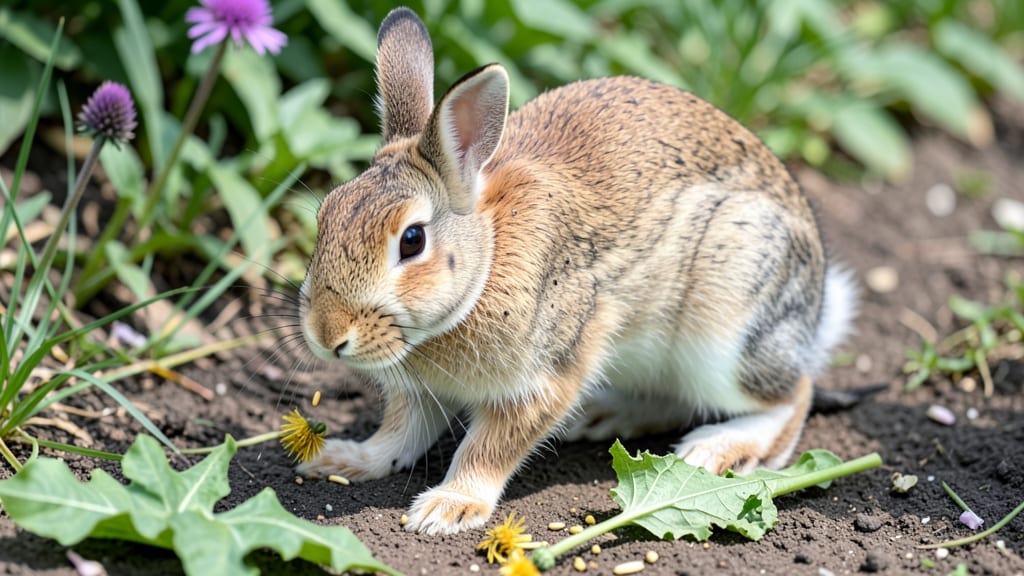
Creating an effective rabbit protection garden begins with one critical truth: rabbits are indiscriminate eaters—they’ll munch your hostas, lettuce, and even saplings if left unchecked.
I’ve lost entire plantings to these furry garden bandits, but after years of trial and error, I’ve built a system that keeps them out without turning my yard into a fortress. The key?
Layers of deterrents that work together, from smart plant choices to physical barriers that make your garden feel like a no-go zone.
The first line of defense is rabbit-resistant plants—not just a few tough varieties, but a whole garden ecosystem they’ll avoid. Think alliums, lavender, and ornamental grasses, which rabbits typically skip. Pair those with companion plants like garlic and rosemary, whose strong scents rabbits dislike.
Then add physical barriers: chicken wire buried 12 inches deep or flexible fencing wrapped around young trees. It’s not pretty, but it works. I’ve seen rabbits hop right over flimsy fencing—they’re persistent little pests.
What you’ll end up with is a garden that thrives without constant vigilance. No more waking up to chewed leaves or vanished seedlings—just lush, undisturbed growth. The best part? These methods work for both vegetables and ornamentals, so you don’t have to sacrifice beauty for protection.
Once you implement even a few of these strategies, you’ll notice the difference within weeks. Rabbits will move on to easier targets, and your garden will finally get the peace it deserves.
This approach isn’t just about fencing or repellents—it’s about designing out the problem from the start. Whether you’re starting fresh or retrofitting an existing garden, these layers create a system that adapts to your space and keeps rabbits out long-term.
No more panic every spring when the bunnies return. Just a garden that stays intact, season after season.
Natural Predators Invading Gardens
Rabbits aren’t the only ones eyeing your garden—predators like foxes, coyotes, raccoons, and even neighborhood cats see it as an all-you-can-eat buffet. 🦊🐺 Understanding why these animals target your garden is the first step in creating a rabbit protection garden that deters all unwanted visitors.
🦊 Foxes and coyotes: the stealthy nighttime raiders
Foxes and coyotes are opportunistic hunters with keen senses of smell and hearing. They’re drawn to gardens for three key reasons:
- Easy prey availability: Rabbits, birds, and small rodents are their primary targets, but they’ll also dig up plants for roots or fruits. A garden with abundant greenery signals a high-protein environment.
- Lack of natural deterrents: These predators avoid areas with visible human activity (like well-lit spaces or frequent foot traffic). A dark, secluded garden is an open invitation.
- Territorial expansion: If your property borders wooded areas or fields, foxes and coyotes may see it as prime real estate for hunting grounds.
Actionable fix: Install motion-activated lights or solar-powered floodlights near garden edges. Plant thorny shrubs like barberry or holly along perimeters to create physical barriers.
🐾 Raccoons: the clever thieves
Raccoons are highly intelligent and dexterous, capable of opening latches, removing screens, and even digging up plants to access roots or bulbs. They’re attracted to gardens for:
- Food accessibility: Raccoons love soft, easy-to-dig soil (like mulched beds) and will tear through gardens to find worms, grubs, or fallen fruits.
- Water sources: Birdbaths, pet bowls, or irrigation systems become raccoon watering holes, increasing their presence.
- Shelter opportunities: Dense shrubs or unsecured sheds provide hiding spots during the day, making your garden a 24/7 buffet.
Actionable fix:
- Use hardware cloth (1/4-inch mesh) to cover garden beds and secure trash cans.
- Remove standing water sources and keep pet food indoors.
- Install raccoon-proof latches on sheds and gates.
🐱 Neighborhood cats: the silent stalkers
Even well-fed house cats see gardens as hunting grounds. Their presence isn’t just about food—it’s about instinct and territory. Cats target gardens because:
- High prey density: Rabbits, mice, and insects are easy targets in open or low-lying gardens.
- Lack of vertical barriers: Cats prefer gardens with few obstacles (like fences or dense plants) that block their pouncing paths.
- Curiosity and boredom: Outdoor cats may dig or scratch plants out of curiosity or to mark territory.
Actionable fix:
- Install chicken wire or mesh fencing (12 inches tall) around garden edges.
- Plant cat-repellent herbs like coleus canina (scaredy cat plant) or lavender.
- Use ultrasonic repellents (though effectiveness varies).
🐇 Rabbits themselves: the unseen garden architects
While rabbits aren’t predators, their grazing habits create perfect conditions for other animals to invade:
- Overgrazing weakens plants: Rabbits strip foliage, leaving gardens looking barren and unappealing to pollinators—which, in turn, reduces food sources for birds and insects that predators hunt.
- Digging disrupts soil: Rabbit burrows create easy entry points for foxes, raccoons, and even snakes to access roots and shelter.
- Thinned-out vegetation invites predators: A garden with large open spaces offers predators unobstructed hunting paths.
Actionable fix: Combine physical barriers (fencing, netting) with plant deterrents (thorny or toxic varieties like daffodils) to make your garden less attractive to rabbits—and their predators.
Fixing Common Rabbit Threats Naturally
A rabbit-proof garden isn’t just about fences—it’s about smart, layered deterrents that address the why behind rabbit behavior. Below, we break down the most common rabbit threats and practical, long-term fixes tailored to each cause. From soil-based solutions to plant choices, these strategies work with nature, not against it.
🐇 Problem: Overgrazing & Chewed Plants
Cause: Rabbits prefer tender, young shoots and will strip gardens bare if unchecked. Their teeth grow continuously, so they must gnaw to stay healthy.
How to Fix It:
- 🔥 Install a Buried Wire Barrier (The Gold Standard) Bury 18–24 inches deep of hardware cloth (1/4" mesh) around garden beds. Rabbits can’t dig under it, and they can’t chew through it. Pro tip: Bend the top 6 inches outward to deter climbing. Cost: ~$20–$50 per 100 sq ft (DIY-friendly).
- 🌱 Choose Rabbit-Resistant Plants Swap vulnerable veggies (lettuce, beans, tulips) for rabbit-proof alternatives:
| 🥬 Avoid | ✅ Use Instead |
|---|---|
| Lettuce, Kale, Beans | Rosemary, Lavender, Marigolds |
| Tulips, Daffodils | Alliums, Foxgloves, Snapdragons |
| Grass (lawns) | Clover or Ornamental Grasses (e.g., fountain grass) |
- 🍳 Repellent Sprays (Quick Fix for Small Gardens) Mix 1 tbsp hot pepper sauce + 1 tsp dish soap + 1 gallon water in a spray bottle. Reapply after rain. Bonus: Add garlic or rotten eggs for extra potency.
🕳️ Problem: Digging & Burrowing
Cause: Rabbits dig to escape predators, cool off, or nest. A single rabbit can create a 6-inch-deep warren overnight, ruining roots and irrigation.
How to Fix It:
- 👨🍳 Create a "Rabbit-Proof" Soil Layer Lay wire mesh (1/4" hardware cloth) before planting, then cover with 4–6 inches of gravel or sharp-edged rocks (e.g., lava rock). Rabbits hate the texture and will avoid digging. Alternative: Use landscape fabric under mulch, but replace it yearly to prevent rot.
- 🌡️ Heat & Motion Deterrents
- 🔥 Solar-powered motion lights (1000+ lumens) startle rabbits at dusk.
- 🎯 Wind chimes or old CDs strung above garden beds create noise they dislike.
- 💡 Predator urine (fox or coyote, available at garden centers) mimics danger—reapply monthly.
- ⏰ Timed Water Sprinklers Install a low-volume sprinkler (like ScareCrow) on a timer to spray gardens for 10–15 minutes, 2x/day. The movement disrupts their grazing patterns.
🌿 Problem: Nesting in Garden Beds
Cause: Female rabbits (does) seek soft soil to dig nests for litters. Even if you don’t see babies, their presence means future chewing damage.
How to Fix It:
- 🌡️ Raise Garden Beds Off the Ground Use cinder blocks, bricks, or elevated planters (12" high) to eliminate soft soil. Rabbits avoid jumping onto hard surfaces. Budget hack: Stack pallets or wooden frames for a temporary fix.
- 🔪 Trim Low-Hanging Branches Rabbits use nearby shrubs as lookout posts before hopping in. Prune branches within 3 feet of the ground to remove their vantage point.
- 🌙 Block Moonlight with Mulch Rabbits are nocturnal and rely on moonlight to forage. Apply 3–4 inches of coarse mulch (cedar or pine) to obscure their view of plants.
🛡️ Prevention: Long-Term Rabbit Defense Plan
Once you’ve addressed the immediate threats, layer these habits to keep rabbits out for good:
- 💡 Rotate Deterrents Seasonally
- Spring/Summer: Focus on sprays and motion devices.
- Fall/Winter: Switch to physical barriers and mulch (when rabbits are most active).
- 🎯 Remove Rabbit "Buffet" Zones
- Clear weeds, clover, and wild grasses near your garden—these are rabbit snacks.
- 🌱 Plant a "Sacrificial Border"
- Surround your garden with rabbit-loved plants (e.g., clover or plantain) to distract them from your prized veggies.
- 🔄 Check Barriers Monthly
- Rabbits will find weak spots. Inspect wire edges, mulch gaps, and plant stems for new chew marks.
Final Note: Patience is key—rabbits may test new deterrents for 1–2 weeks before giving up. Combine at least 3 methods (e.g., wire + spray + motion lights) for the best results. With these fixes, your garden will stay rabbit-free without traps or harm!
Frequently asked questions
What’s the most effective rabbit deterrent for small gardens?
A combination of buried hardware cloth (18-24 inches deep) and rabbit-resistant plants like lavender or alliums works best for small spaces. The wire prevents digging, while the plants create an unappealing menu. For extra protection, add a motion-activated sprinkler—it startles them without harm.
Will predator urine really keep rabbits away?
Yes! Fox or coyote urine mimics danger signals that rabbits detect. Apply it monthly around garden edges—just avoid spraying directly on plants. The scent lingers for weeks, making your garden smell like a "no-go zone" for bunnies. Pair it with physical barriers for best results.
How do I protect young seedlings from rabbits?
Use cloche covers (plastic or glass) over seedlings or create mini "rabbit-proof" cages with chicken wire. Bury the wire 6 inches deep around each plant to prevent digging. For larger beds, lay landscape fabric before planting—just replace it yearly.
Are there plants rabbits completely avoid?
Yes! Rabbits typically ignore lavender, rosemary, foxgloves, and daffodils due to their strong scents or toxicity. Plant these strategically around vulnerable areas to create natural barriers. Even better, surround prized plants with them to distract rabbits.
How often should I check my rabbit deterrents?
Inspect barriers monthly for gaps or chew marks, especially after heavy rains or wind. Rabbits are persistent—they’ll exploit any weakness! Rotate deterrents seasonally (e.g., sprays in summer, mulch in winter) for long-term success.