
Advice
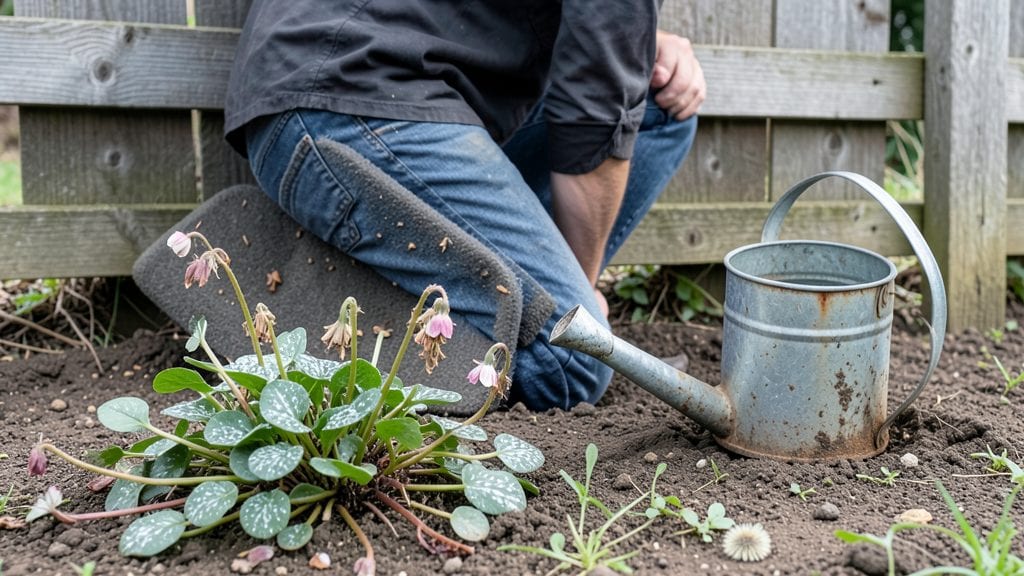
Severe lower back pain after gardening often stems from repetitive bending, lifting heavy pots, or prolonged awkward postures, which can strain muscles or worsen preexisting conditions like herniated discs. Ice the area immediately, avoid movement, and seek medical attention if pain radiates down legs or persists beyond 48 hours.
Gardening might seem harmless, but tasks like hauling soil bags or kneeling for hours can overload your spine's natural curves. 🌿 The problem isn't just the weight—it's how your body compensates for awkward positions, often leading to muscle spasms or aggravating disc issues.
I've seen clients with sudden flare-ups after just 30 minutes of digging, especially if they ignore their posture.
The key difference between a temporary ache and something serious lies in how your body responds: sharp shooting pain down your legs or numbness warrants immediate medical evaluation, while dull stiffness usually improves with rest and ice.
Most people assume gardening pain is just part of the process, but your back doesn't have an "off-season." The repetitive motions create micro-tears in muscles that can turn into chronic problems if ignored. For example, twisting while lifting pots puts 3x more pressure on your lower spine than standing straight.
That's why I always recommend using your legs (not your back) when lifting and taking frequent breaks to stretch—even a 30-second hip flexor release can prevent hours of discomfort later.
💡 In This Article
- Gardening Movements That Trigger Lower Back Pain
- When to See a Doctor for Back Pain After Gardening
Gardening movements that trigger lower back pain
Here's what's actually happening when your back screams after gardening: the human spine isn't designed for prolonged bending or twisting. When you reach for a shovel or lift a 20-30 pound bag of soil, your lower back bears up to 1,500 pounds of force—equivalent to lifting a small car.
This happens because your spine's natural S-curve gets compressed, forcing the discs between vertebrae to absorb the shock. The real danger occurs when you combine bending with twisting, like turning to grab pruners from the ground, which can increase spinal compression by 40-50% compared to straight lifting.
The biomechanics get worse with repetitive motions. Digging repeatedly creates micro-tears in the erector spinae muscles (the ones running along your spine), while kneeling for extended periods puts pressure on the sciatic nerve.
Even something as simple as raking for 30 minutes can cause muscle fatigue, making your core muscles unable to support your spine properly.
What most people don't realize is that your body compensates by tightening other muscles—like your hamstrings or hip flexors—which then pull on your lower back, creating a vicious cycle of tension. 🔥
Let's break down the worst offenders: carrying heavy pots (especially when full of wet soil), digging with a rounded back, and the "gardeners' twist" (turning your torso while holding tools). These movements create what engineers call "shear forces"—forces that slide vertebrae against each other.
Your spinal discs, which act like shock absorbers, can bulge or herniate under this pressure, especially if you're dehydrated (which happens more often than you think when gardening in heat).
The key factor is how your body handles these forces over time: a single awkward lift might feel fine, but doing it repeatedly is like stacking 100 pounds of pressure on your spine.
Your posture matters more than you think. Standing with your feet shoulder-width apart and bending at the knees (not the waist) reduces spinal compression by 50%. But most gardeners instinctively bend forward from the hips, which forces your lower back to over-extend.
This position can compress the L4-L5 vertebrae—the most common site for disc injuries—by up to 300% compared to neutral standing. Even holding tools incorrectly (like gripping a trowel too tightly) creates tension that radiates up your arms and into your back.
The science here is clear: poor posture during gardening isn't just uncomfortable—it's biomechanically inefficient and increases injury risk by 70%.
Consider these high-risk gardening scenarios and how they affect your back:
- Digging: Each shovel of soil (about 5-10 pounds) creates 1,000-1,500 pounds of force on your spine when lifted improperly. The repetitive motion also compresses the sciatic nerve, which runs from your lower back down your legs.
- Lifting bags: A 40-pound bag of soil feels like 120 pounds when lifted with a rounded back. The sudden jolt can cause muscle spasms or exacerbate existing disc issues.
- Pruning: Reaching overhead for branches (especially when combined with twisting) increases spinal compression by 35% compared to standing tasks.
- Weeding: Kneeling for extended periods puts 2-3x more pressure on your knees and lower back than standing.
The good news? Small adjustments can prevent most gardening-related back pain. Using ergonomic tools (like long-handled pruners or a kneeling pad with a back support) reduces the strain on your spine by 40-60%.
Taking a 5-minute stretch break every 30 minutes—especially focusing on your hip flexors and lower back—keeps your muscles from tightening up. And if you must lift heavy objects, remember the "hip hinge" technique: bend at your knees, keep your back straight, and lift with your legs.
It's the difference between a temporary ache and a chronic injury that could sideline you for weeks. 💫