
Pests
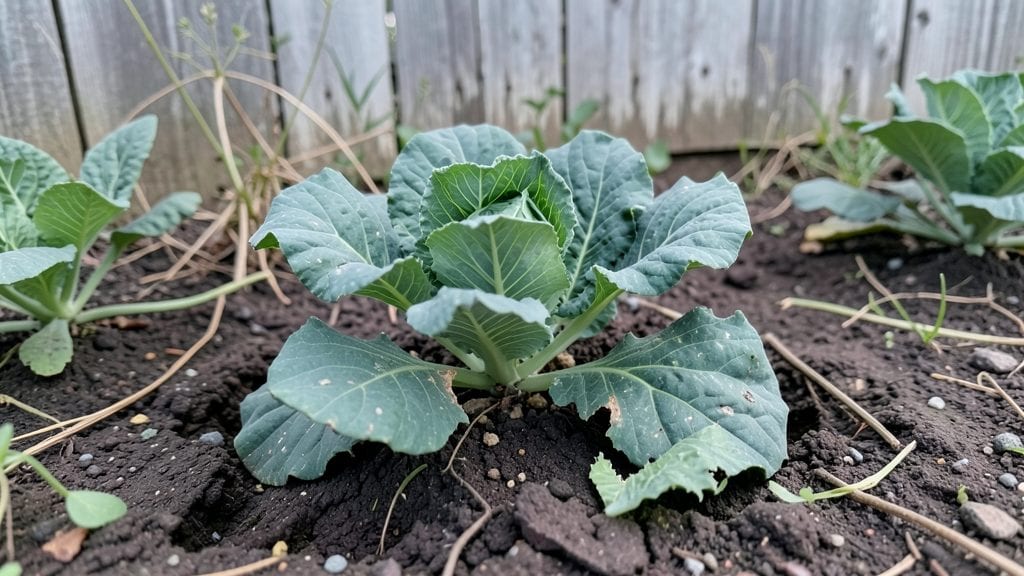
Noticing the signs of rats in garden—like those telltale dark droppings near your beds—was my first clue they’d invaded, and I learned the hard way after spotting gnawed tomato plants and vanished carrots. spotting them early means you can act before they destroy your harvest.
Look for other red flags too: chewed wires or plant stems, shallow burrows near fences, and rustling sounds in mulch at night. Rats leave behind more than just damage—they spread disease and contaminate soil, so catching them early saves your garden and your health.
The key is checking high-risk spots like compost piles, wood stacks, and under decks where they hide during the day.
Once you confirm they’re there, you’ll want humane traps or deterrents like peppermint oil (they hate the smell) to keep them out. I’ve tried everything from ultrasonic repellents to steel mesh barriers, and the right combo keeps my garden rat-free for months.
The goal isn’t just to scare them off—it’s to make your space less appealing than the next yard over.
Prevention is easier than cleanup: secure trash cans, remove standing water, and keep grass trimmed to eliminate hiding spots. Even if you’ve had rats before, these simple steps cut their access by 90%. The sooner you act, the sooner your garden stays yours—not theirs.
What Lures Them In
Rats aren’t just wandering into your garden by chance—they’re following a trail of scent, shelter, and food that you might not even realize you’re providing. Understanding these hidden triggers can help you prevent an infestation before it starts. Here’s why your garden becomes their new favorite hangout:
Rats have an incredible sense of smell—up to 1,000 times stronger than humans—and they can detect food from up to 300 feet away. If your garden is a buffet, they’ll show up. Here’s what’s on their menu:
- 🌾 Fallen Fruit & Veggies Overripe tomatoes, dropped apples, or uneaten corn cobs are like a neon sign for rats. Why? Their high sugar and moisture content make them irresistible. Even compost piles (especially if they’re not properly sealed) can attract them.
- 🥖 Human Food Waste Picnic leftovers, spilled pet food, or even birdseed scattered on the ground are easy meals. Rats are opportunistic—they’ll eat anything from seeds to scraps, and they’ll return again and again if food is consistently available.
- 🐦 Bird Feeders & Pet Food Birdseed isn’t just for birds—rats love sunflower seeds, peanuts, and even suet cakes. Pro tip: Use rat-proof feeders with metal cages or place them at least 5 feet from trees/shrubs where rats can climb.
- 🌱 Garden Waste & Mulch Piles of leaves, grass clippings, or wood chips create hidden nesting spots and attract insects (like beetles), which rats eat. If the pile is damp, it’s even more appealing.
Rats need dark, secluded spots to nest, raise their young, and hide from predators (like cats or owls). Your garden might be offering the perfect hideout without you knowing:
- 🌿 Dense Shrubs & Overgrown Areas Tall grass, thick ivy, or untrimmed bushes provide cover and easy access to your home. Rats use these as highways to sneak into sheds, garages, or even your house.
- 🏡 Gaps in Structures A 1-inch hole is enough for a rat to squeeze through! Check for:
- Loose vents or broken screens
- Cracks in foundation walls
- Gaps around pipes or utility lines
- Openings under decks or porches
- 🪵 Woodpiles & Debris Stacks of firewood, old tires, or discarded plastic containers create ideal nesting material. Rats will shred cardboard, fabric, or even insulation to line their nests.
- 🌧️ Moisture & Shade Rats seek out damp areas (like under leaky gutters or near irrigation systems) because it keeps them cool and provides water. A shady, humid corner of your garden is like a luxury resort to them.
Rats aren’t picky—they’ll invade year-round, but certain conditions make your garden extra tempting:
- 🍂 Fall & Winter As temperatures drop, rats seek warmth and food storage. They’ll raid gardens for:
- Stored winter squash or potatoes
- Uneaten pumpkins or gourds
- Seeds from flower beds (they cache them for later)
- 🌞 Summer Heat During dry spells, rats dig shallow burrows in soft soil to escape the sun. If your garden has loose dirt or mulch, they’ll create tunnels near your plants.
- 🌧️ Rainy Seasons Damp soil makes digging easier, and rats will flood-proof their nests by building them slightly above ground level. They’ll also target rotting wood or wet compost for nesting.
- 🌿 New Plantings Freshly turned soil (from gardening or construction) exposes grubs, worms, and insects—a rat’s delicacy. They’ll dig up your garden just to snack on the hidden buffet below.
💡 Quick Fix: Remove food sources, seal entry points, and keep your garden tidy and well-lit at night. Rats avoid open, exposed areas—so eliminate their hiding spots, and they’ll move on to easier prey!
How to Fix Rat Problems Fast
Rats in your garden aren’t just a nuisance—they can damage plants, contaminate soil, and even chew through wiring or stored food. But the good news? With the right strategies, you can eliminate them for good and keep them from returning.
Below, we’ve mapped out practical, step-by-step solutions tailored to the most common causes of rat infestations. From sealing entry points to natural deterrents, these fixes are designed to work without toxic chemicals (unless absolutely necessary).
Rats squeeze through tiny gaps—as small as a quarter! If they’re already in your garden, they’ll find more ways in. Stop them before they start with these fixes:
- 🔧 Seal cracks and holes in fences, sheds, and garden borders using steel wool + caulk or hardware cloth (rats can’t chew through it).
- 🚪 Install door sweeps on sheds, garages, and pet doors to block drafts—and rats.
- 🌱 Cover vents and drains with fine mesh (¼-inch or smaller) to prevent nesting.
- 🍂 Clear debris (piles of leaves, wood, or brush) where rats hide and build nests.
> 💡 Pro Tip: Check for fresh droppings or gnaw marks near entry points—these are red flags!
Rats are opportunistic scavengers—if your garden offers food, water, or hiding spots, they’ll stick around. Eliminate these attractants to force them out:
| Problem | Solution |
|---|---|
| Pet food left outside | Feed pets indoors or use automatic feeders with tight lids. |
| Fruit/veggie scraps | Compost in a locked bin or bury scraps deeply (rats dig!). |
| Bird feeders | Move feeders far from structures or use hanging cages with small holes. |
| Standing water | Fix leaky hoses or add a dehumidifier to sheds. |
| Woodpiles or dense plants | Store firewood elevated and covered or trim overgrown bushes near your home. |
> ✨ Bonus: Ammonia-soaked rags placed in problem areas can repel rats (they hate the smell!).
If rats are already nesting, traps are the fastest way to remove them. Choose based on your comfort level:
🔪 Humane Traps (Catch & Release)
- Live traps (e.g., Havahart) work best with peanut butter or dried fruit as bait.
- Set traps along walls (rats follow edges) and check them daily to avoid stressing the animal.
- Release rats at least 2 miles away (they’ll find their way back otherwise!).
⏰ Lethal Traps (Quick & Effective)
- Snap traps (classic wooden or electronic) are cheap and deadly—place them perpendicular to walls with bait near the trigger.
- Glue traps (use sparingly!) should be hidden under mulch and checked every 12 hours to prevent suffering.
- Avoid poison unless infestation is severe—it can kill rats in walls, causing foul odors and delayed deaths.
> 🚨 Warning: Never use secondhand traps (they may still be set!) or leave traps unattended with pets/kids.
Once you’ve removed the rats, reinforce defenses with non-toxic repellents that disrupt their senses:
- 🌿 Peppermint oil – Soak cotton balls in pure peppermint oil and place them in problem areas (rats dislike the scent).
- 🧄 Garlic or chili powder – Sprinkle around garden edges or mix into homemade spray (1 garlic bulb + 1 chili pepper per gallon of water).
- 🐕 Predator urine – Fox or coyote urine (available at garden stores) can trick rats into thinking a predator is near.
- 🎯 Ultrasonic repellents – Devices emitting high-frequency sounds (though effectiveness varies).
> 💡 Pro Tip: Rotate repellents every few weeks—rats can get used to smells!
The best offense is a good defense. Implement these habits to prevent future infestations:
✅ Regular inspections – Check for new holes, droppings, or gnaw marks every 2-3 months. ✅ Secure trash cans – Use locking lids and take trash out before dawn (when rats forage). ✅ Plant rat-resistant flowers – Marigolds, daffodils, and lavender naturally repel rodents. ✅ Keep grass short – Tall grass and weeds provide hiding spots—mow regularly. ✅ Monitor compost bins – Use rat-proof bins or bury food waste instead of piling it.
Final Thought: Rats are resourceful, but you’re smarter! By sealing entry points, removing attractants, and using targeted traps, you can regain control of your garden in days. Stay consistent, and those unwanted guests won’t stand a chance. 🚫🐀
Frequently asked questions
What do rat droppings look like in my garden?
Rat droppings are small, dark, and 2-3 times longer than they are wide—about the size of a grain of rice. They’re usually found in clusters near food sources, along walls, or in dark corners. Fresh droppings are moist and shiny, while older ones turn dry and crumbly. If you see these near your plants or storage areas, act fast—they spread disease like hantavirus.
How can I tell if rat sounds are coming from my garden?
Rats make distinct noises: scratching sounds (like tiny claws on wood or mulch), high-pitched squeaks (especially at night), and rustling in dense vegetation. Listen for these near sheds, compost piles, or under decks—rats are most active between dusk and dawn. If you hear these sounds, check for other signs like gnaw marks or burrows.
Can rats dig burrows in my garden, and how deep do they go?
Yes! Rats dig shallow burrows, usually 6-12 inches deep, near fences, woodpiles, or dense plantings. Look for small mounds of dirt or entrance holes with smooth edges. They often create multiple exits for escape routes. If you spot these, fill them with hardware cloth or seal the area to prevent nesting.
What plants do rats love to eat the most?
Rats target soft, high-moisture plants like tomatoes, peppers, squash, and citrus fruits. They also love seeds, bulbs, and root vegetables (carrots, potatoes). To protect your garden, harvest crops promptly, use row covers, or plant rat-resistant varieties like marigolds or daffodils nearby.
Are there any natural ways to keep rats out of my garden long-term?
Use peppermint oil (soak cotton balls and place near entry points), predator urine (fox or coyote), or plant rat-repelling herbs like mint or rosemary. Keep your garden tidy and well-lit at night—rats avoid open spaces. Combine these with sealing entry points for the best results.