
Tools
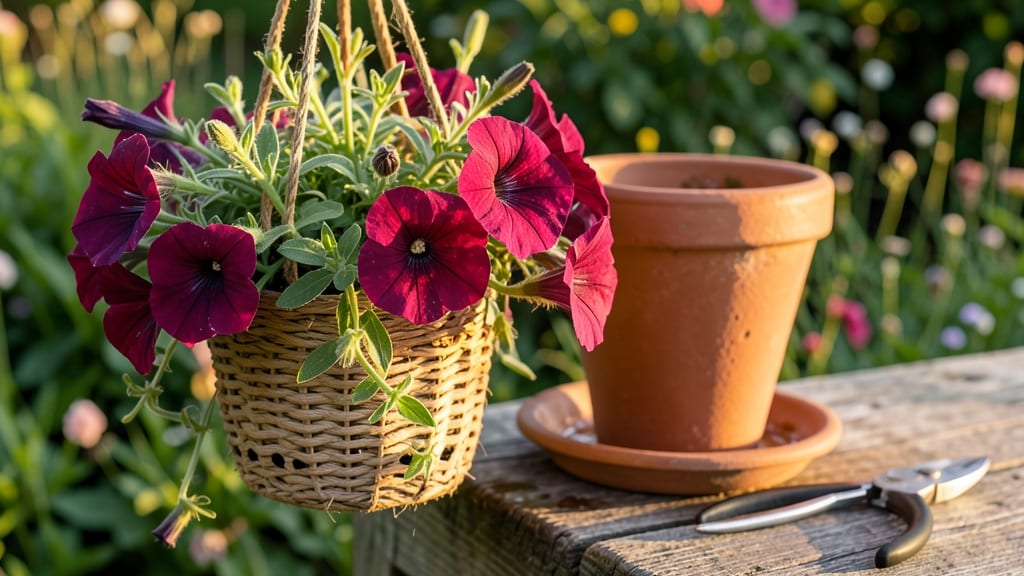
A small balcony garden can bloom into a fragrant herb haven and a burst of color that neighbors envy—all with just a few clever tricks and minimal space. 🌱 I’ve turned my own cramped corner into one using nothing but clever containers and smart plant choices.
The key is vertical thinking: wall-mounted planters, hanging pockets, and tiered shelves multiply growing space without taking up floor room. Start with sun-loving herbs like basil and thyme in small pots, then add trailing plants like petunias or strawberries to soften edges.
Windproofing your setup with sturdy containers and a windbreak fabric keeps delicate leaves intact.
By summer’s end, you’ll have a balcony that feels like a mini retreat—fresh herbs within arm’s reach, vibrant blooms that brighten evenings, and the satisfaction of growing more in less space. The best part? You’ll solve common balcony struggles like sunlight gaps and wind damage with simple, budget-friendly fixes.
Works for any balcony size, from city high-rises to suburban patios. Let’s make that concrete jungle into a thriving green escape—no yard required.
📚 In This Guide
- What you need
- Instructions
- Tips and common mistakes
- Wrapping up and next steps
What you need
- ● Containers: 3–5 lightweight pots (6–12 inches deep) with drainage holes. Pro tip: Choose materials like fabric grow bags or self-watering pots for efficiency! 💡
- ● Potting Mix: 1–2 bags of high-quality, well-draining potting soil (avoid garden soil—it compacts!).
- ● Drainage: Small pebbles or perlite (1 cup per pot) to improve aeration.
- ● Seeds/Seedlings: Compact, balcony-friendly plants like herbs (basil, mint), leafy greens (lettuce, spinach), or trailing vines (cherry tomatoes, strawberries).
- ● Basic Tools: Trowel or small hand shovel
- ● Watering can with a narrow spout (or a spray bottle for seedlings)
- ● Pruning shears (for trimming)
- ● Vertical Garden System: Wall-mounted planters, trellises, or hanging pockets to maximize space.
- ● Fertilizer: Slow-release granules or liquid fertilizer (like fish emulsion) for nutrient boosts.
- ● Mulch: Organic mulch (e.g., straw or coconut coir) to retain moisture.
- ● Shade Cloth: Lightweight fabric to protect plants from harsh sun or wind.
- ● Decorative Touches: Solar-powered lights, painted pots, or a cute mini trellis for charm!
Step-by-Step instructions for creating a small balcony garden
Here's how to transform limited space into a thriving vertical oasis—no green thumb required.
🪴 Step 1: Choose Containers and Mounting Solutions
Start with lightweight containers like the 4 hanging planters and 2 wall-mounted pockets from your supplies. For hanging planters, ensure sturdy hooks can support at least 10 pounds each—herbs and small veggies stay well under that. Wall-mounted pockets need secure anchors if your balcony is concrete or brick.
I always test-fit containers before planting. Place them where they’ll catch the most light—6+ hours of sun daily for most greens. If your balcony faces north, opt for shade-tolerant plants like lettuce or mint instead of sun-lovers like tomatoes. Position taller plants (like basil) at the back of pockets to avoid shading shorter varieties.
🌱 Step 2: Prepare Soil and Plant Your Seeds or Starts
Fill each container with the 3 gallons of potting mix, leaving 1 inch from the rim for watering. For seeds, press them into the soil at a depth of twice their diameter—like ¼ inch for basil seeds—and cover lightly. If using seedlings, dig a hole slightly larger than the root ball and plant them at the same depth they were in their nursery pots.
Water gently but thoroughly until moisture runs out the drainage holes. I like to let the soil settle for 10 minutes before adding more plants to avoid displacing seeds. Label each container with the plant type and date using the 4 plant markers—trust me, you’ll forget which is which after a week.
☀️ Step 3: Position for Light and Airflow
Arrange containers so they receive even light exposure throughout the day. Rotate hanging planters a quarter turn weekly to prevent leaning toward the sun. If your balcony gets afternoon shade, move containers to sunnier spots by midday. For airflow, space plants 6 inches apart—this prevents fungal issues and keeps pests away.
Check soil moisture daily by sticking your finger 1 inch deep. Water when it feels dry, but avoid soggy soil—drainage holes are your best friend. If using the 2 self-watering planters, fill the reservoir every 3-4 days during hot weather. Overwatering is the #1 killer of balcony gardens, so when in doubt, wait.
🌿 Step 4: Maintain and Harvest Regularly
Fertilize every 2-3 weeks with the 1 packet of slow-release granules, mixing it into the top ½ inch of soil. For leafy greens, harvest outer leaves first to encourage new growth. Pinch back leggy stems to promote bushier plants—this is especially important for herbs like mint and basil.
Watch for pests like aphids or spider mites. Spray affected plants with neem oil (if you have it) or rinse them under water. Deadhead flowers on edible plants like chives to redirect energy into leaf production. By 6-8 weeks, you’ll have a bountiful harvest—enough for fresh salads, teas, or garnishes.
⏰ Step 5: Seasonal Adjustments for Year-Round Growth
In spring and fall, focus on cool-season crops like lettuce and kale. Use the 2 frost blankets to protect plants if temperatures dip below 40°F. During summer, switch to heat-tolerant varieties like Swiss chard or okra, and water daily if temperatures exceed 85°F. In winter, reduce watering and move containers to sheltered spots if possible.
Rotate crops every 2-3 months to prevent soil depletion. For example, replace spent basil with a cold-hardy herb like parsley. Empty containers and refresh the soil if you notice stunted growth—old soil loses nutrients fast in small spaces. With these tweaks, your balcony garden stays productive all year.
Tips & tricks for perfect small balcony garden setups
Here's what nobody tells you about making the most of your vertical garden space—tricks that'll save you time and frustration.
Container Weight Matters: When choosing your 4 hanging planters and 2 wall-mounted pockets, test them first with water to ensure they're lightweight enough for your balcony's weight limits. I learned this the hard way after struggling to move overloaded planters—stick to the 10-pound limit for hanging planters, even if they look sturdy. For wall-mounted pockets, use anchors designed for your balcony material; concrete and brick require different hardware than wood or metal railings.
Soil Settling Secret: That 10-minute wait after watering in Step 2 isn't just about seeds—it gives your 3 gallons of potting mix time to settle properly. Tap the containers gently on the counter after adding soil to eliminate air pockets. This prevents uneven water distribution and helps roots establish more quickly. Pro tip: Use a soil thermometer to ensure your potting mix is between 60-70°F before planting—cold soil can stunt seed germination.
Light Rotation Strategy: The quarter turn weekly in Step 3 isn't just about preventing leaning—it's about giving all sides of your plants even exposure. For 6+ hours of sun daily plants, this ensures uniform growth. I mark my planters with a small piece of tape on one side to track rotation progress. If you notice one side of leaves turning pale, that's your cue to rotate sooner—uneven light causes plants to stretch toward the sun, creating leggy growth.
Seasonal Soil Refresh: When temperatures dip below 40°F in fall or exceed 85°F in summer, your soil's needs change dramatically. In cold weather, add a ½-inch layer of mulch to insulate roots. In heatwaves, switch to self-watering planters and fill their reservoirs every 2-3 days instead of the standard 3-4 days. The 2 frost blankets work double-duty in summer too—use them as shade covers during peak afternoon sun to prevent wilting.
Pro Tips for Small Balcony Garden
- Here's what nobody tells you about making the most of your vertical garden space—tricks that'll save you time and frustration.
- Container Weight Matters: When choosing your 4 hanging planters and 2 wall-mounted pockets, test them first with water to ensure they're lightweight enough for your balcony's weight limits.
- Soil Settling Secret: That 10-minute wait after watering in Step 2 isn't just about seeds—it gives your 3 gallons of potting mix time to settle properly.
Frequently asked questions
Got questions about turning your small balcony into a thriving green oasis?
Here are some of the most common ones—and their easy solutions!
What are the best plants for a tiny balcony garden?
Opt for compact varieties like dwarf herbs (basil, thyme), cherry tomatoes, lettuce, or strawberries. Trailing plants (e.g., petunias, nasturtiums) work great in hanging planters. Avoid root-heavy veggies like corn or pumpkins—they need more space!
How often should I water my balcony garden?
Check soil moisture daily—small pots dry out fast! Water in the morning to reduce evaporation. Most herbs and veggies need 1–2 inches of water weekly, but adjust for heat (more water) or rain (less). Self-watering planters can help if you travel often.
Can I grow a balcony garden in full shade?
Yes! Try shade-tolerant plants like ferns, parsley, spinach, or peace lilies. Use reflective surfaces (like white walls or mirrors) to maximize light. If space allows, rotate pots for even exposure. Grow lights (LED or fluorescent) are a great backup for deep shade.
What if my balcony has no railings for planters?
No problem! Use wall-mounted pockets, freestanding tiered shelves, or hanging macramé planters. For extra grip, add adhesive hooks or a lightweight DIY trellis (like a PVC frame). Even a window sill can host herbs in small pots!
How do I keep pests away from my balcony garden?
Start with healthy soil (sterilized potting mix) to deter pests. Use neem oil or companion planting (e.g., marigolds repel aphids). Copper tape on pots can stop slugs, and regular pruning improves airflow. Avoid overwatering—pests love damp, crowded plants!
Wrapping up and next steps
Transforming your small balcony into a thriving garden is easier than you think! With the right vertical space hacks, you can grow lush greenery—even in limited square footage. Start small, experiment with what works best, and watch your green oasis flourish.
Ready to dive in? Pick one project from this guide and get planting today! 🌱 Whether it’s a hanging planter, wall-mounted herbs, or a tiered shelf, your balcony’s potential is limitless—just start with a single step.