
Tools
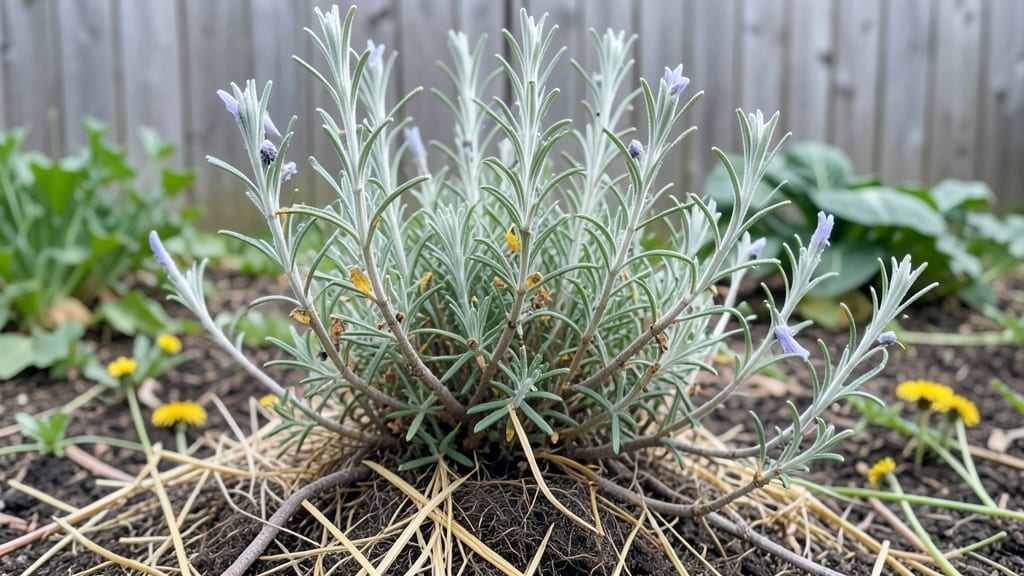
Growing rosemary in your garden means year-round fragrance and resilience that outlasts most herbs. 🌿 I’ve watched this hardy perennial survive droughts, cold snaps, and even my occasional neglect—yet it always bounces back with that signature piney scent.
The secret lies in treating it more like a shrub than a delicate herb, giving it space, sunlight, and just enough water to keep it happy without drowning it.
Rosemary thrives in well-draining soil and full sun, making it perfect for sunny borders, container gardens, or even as a low-maintenance hedge. Unlike many herbs, it handles poor soil surprisingly well—just avoid waterlogged spots, which is its only real weakness.
Most varieties grow 2–4 feet tall, so plan for its mature size unless you’re pruning it aggressively for culinary use.
Once established, rosemary needs almost no care beyond occasional pruning to shape it or harvest sprigs for cooking. The needles stay fragrant even when dried, and the flowers attract pollinators while adding a delicate blue-purple contrast to the garden.
By summer’s end, you’ll have a plant that’s both beautiful and useful—no green thumb required.
Whether you’re using it for garnishes, homemade wreaths, or just to fill your garden with scent, rosemary’s adaptability makes it a no-fail choice. Here’s how to get started without overcomplicating it—because the best gardens are the ones that grow while you’re not looking.
📚 In This Guide
- What you need
- Instructions
- Tips and common mistakes
- Wrapping up and next steps
What you need
- ● Rosemary plants: 3–5 healthy nursery-grown rosemary plants (choose Rosmarinus officinalis for best results).
- ● Well-draining soil: A mix of potting soil (50%) and perlite or coarse sand (50%) to prevent root rot.
- ● Containers or garden bed: For containers: 5–7 gallon pots (one per plant) with drainage holes.
- ● For garden beds: A sunny, elevated spot with at least 6 hours of sunlight daily.
- ● Fertilizer: A balanced, slow-release fertilizer (10-10-10 or 5-5-5) or organic options like composted manure or worm castings.
- ● Watering can or hose: With a gentle spray nozzle for even moisture.
- ● Pruning shears: Sharp, clean shears for trimming and shaping.
- ○ Mulch (optional but recommended): Gravel or pine straw to retain moisture and deter weeds.
- ● Soil pH tester: Rosemary prefers neutral to slightly alkaline soil (pH 6.0–7.0).
- ● Drip irrigation system: For consistent moisture without overwatering.
- ● Pest control: Neem oil or insecticidal soap (rosemary is generally pest-resistant but can attract spider mites).
- ● Support stakes: For taller varieties if needed (e.g., Rosmarinus officinalis 'Arp').
- ● Garden gloves: To protect your hands while handling soil or pruning.
Step-by-Step guide to planting and maintaining rosemary in your garden
This hardy perennial thrives with minimal fuss—here's how to establish it for years of fragrant harvests.
🌱 Step 1: Choose the Perfect Location and Prepare the Soil
Rosemary demands full sun—at least 6-8 hours daily—and well-draining soil. I always pick the driest, sunniest corner of my garden because rosemary despises soggy roots. Test your spot by digging a 6-inch hole; if water pools after 30 minutes, amend the soil with 3 gallons of coarse sand or gravel per 4 square feet to improve drainage.
This herb tolerates poor soil but grows best in slightly alkaline conditions (pH 6.0-7.5). If your soil tests acidic, mix in ½ cup of agricultural lime per 4 square feet before planting. Work the amendments into the top 12 inches of soil—rosemary's roots won't penetrate deeper than 2 feet anyway.
🪴 Step 2: Plant Bare-Root or Container-Grown Rosemary Correctly
For bare-root plants, soak the roots in lukewarm water for 15-20 minutes before planting to rehydrate them. Dig a hole twice as wide as the root ball but only as deep—burying too deeply suffocates the stem. Gently loosen the roots if they're circling, then position the plant so the top of the root ball sits level with the soil surface (never deeper).
For container-grown rosemary, remove the plant carefully, tease the roots at the edges, and plant at the same depth it was growing before. Backfill with native soil, pressing lightly to eliminate air pockets. Water deeply right after planting to settle the soil and encourage root contact. You'll know it's done right when the soil surface looks slightly compacted but not crusted.
💧 Step 3: Water Deeply but Infrequently After Establishment
Rosemary's drought tolerance kicks in after 4-6 weeks of growth, but young plants need consistent moisture. Water once weekly during the first month, providing ½ gallon per plant each time. After that, water only when the top 2 inches of soil feel completely dry—this usually means every 10-14 days in summer, less in winter.
Here's the thing—rosemary wilted from overwatering won't recover. The leaves turn yellow, then brown, and the stems soften. If this happens, stop watering entirely for 2 weeks to let the plant adjust. Mulch with 2 inches of gravel or coarse bark to retain moisture without suffocating the roots—organic mulch like wood chips holds too much moisture and invites rot.
☀️ Step 4: Prune for Shape and Encourage Bushier Growth
Prune rosemary twice yearly: once after flowering in spring and again in early summer. Use clean, sharp pruning shears to cut back ⅓ of the plant's height, focusing on leggy stems and overcrowded centers. Never shear into bare wood—always leave 2-3 sets of leaves on each stem to maintain photosynthesis.
This is the moment that matters: prune just above a leaf node where new growth will emerge. You'll see fresh, vibrant shoots within 3-4 weeks. Avoid heavy pruning in fall—rosemary needs its foliage to photosynthesize through winter. Harvest sprigs regularly (up to ⅓ of the plant) to encourage bushier growth, but never take more than 20% in one cutting.
✂️ Step 5: Protect and Maintain Through Seasons
Rosemary handles frost down to 15°F, but young plants benefit from light winter protection. After the first hard frost, mound 4-6 inches of mulch (gravel or straw) around the base to insulate roots. In zones colder than Zone 7, prune back severely in late fall and cover with burlap or frost cloth—this prevents winter burn and ensures spring regrowth.
Fertilize once yearly in early spring with ½ cup of 10-10-10 granular fertilizer per plant. Rosemary rarely needs feeding, but a light application encourages lush growth. Watch for spider mites in dry conditions—spray the undersides of leaves with neem oil if you spot webbing. A healthy rosemary plant should have silvery-green, aromatic foliage with no signs of pest damage or yellowing.
Tips & tricks for perfect rosemary planting and maintenance
These hard-won insights will help you cultivate thriving rosemary that stays fragrant and productive for years—no green thumb required.
Soil Test First: Before amending your soil in Step 1, grab a soil test kit from your local garden center to check the pH. Rosemary thrives in slightly alkaline conditions (pH 6.0-7.5), and if your soil tests acidic, that ½ cup of agricultural lime per 4 square feet makes all the difference. I've learned this the hard way—rosemary planted in unamended acidic soil grows slowly and produces weak stems. The lime adjustment is worth the 10-minute test.
Root Hydration Hack: When preparing bare-root plants in Step 2, don't just dip the roots in water—they need proper rehydration. Fill a clean bucket with lukewarm water (not cold) and soak the roots for the full 15-20 minutes. This step prevents transplant shock by reviving the roots before they hit the soil. Pro tip: Add a handful of seaweed fertilizer to the soaking water for an extra nutrient boost that roots will absorb immediately.
Watering Wisdom: That ½ gallon per plant weekly during the first month might seem like a lot, but rosemary's shallow root system needs consistent moisture to establish. Here's the thing—water deeply in the morning so the soil has all day to dry out. This mimics Mediterranean conditions where rosemary evolved. After the initial 4-6 weeks, let the top 2 inches of soil dry completely between waterings—this prevents the yellowing and browning that signals overwatering.
Pruning Precision: When you're cutting back ⅓ of the plant's height in Step 4, focus on creating an open center rather than just trimming the top. This improves airflow and prevents fungal issues. The key is to cut just above a leaf node where new growth emerges—you'll see fresh shoots appear within 3-4 weeks. I always prune after flowering in spring because the plant has stored enough energy to regrow vigorously without compromising winter survival.
Pro Tips for Rosemary In Garden
- These hard-won insights will help you cultivate thriving rosemary that stays fragrant and productive for years—no green thumb required.
- Soil Test First: Before amending your soil in Step 1, grab a soil test kit from your local garden center to check the pH.
- Root Hydration Hack: When preparing bare-root plants in Step 2, don't just dip the roots in water—they need proper rehydration.
Frequently asked questions
Got questions about growing rosemary in your garden?
You’re not alone! Here are answers to the most common queries—from planting tips to troubleshooting—so you can keep your fragrant perennial thriving year-round.
When is the best time to plant rosemary in the garden?
Plant rosemary in early spring or late fall for ideal results. This timing lets the plant establish roots before extreme heat or cold. If you’re in a mild climate (Zones 8-10), you can plant year-round, but avoid frost. Pro tip: Harden off nursery-grown rosemary for 7–10 days before transplanting to reduce shock.
Can rosemary survive winter in cold climates?
Rosemary is hardy in USDA Zones 7–10, but in colder areas (Zones 6 and below), it’s best grown as an annual or potted plant. For outdoor winter care, mulch heavily, prune back, and protect with burlap or a frost blanket. Alternatively, dig up pots and move them to a garage or shed.
How often should I water rosemary, and what’s the trick to keeping it alive?
Rosemary hates soggy soil—water only when the top 1–2 inches of soil are dry. Overwatering is the #1 killer! In pots, water every 7–10 days (less in winter). For in-ground plants, reduce watering once established. Pro tip: Use well-draining soil and a pot with drainage holes to prevent root rot.
Why is my rosemary turning yellow or brown?
Yellowing leaves often signal overwatering or poor drainage, while brown tips usually mean underwatering or sunburn. Check soil moisture and adjust watering. If leaves are crispy, move the plant to partial shade (especially in hot afternoons). Bonus: Trim affected stems to encourage new growth.
What can I plant near rosemary for a fragrant garden combo?
Rosemary pairs beautifully with lavender, thyme, sage, and marigolds. These Mediterranean herbs share similar care needs (sun, well-drained soil) and create a sensory garden. Avoid planting near mint or comfrey, as they compete aggressively. Pro tip: Add a splash of salvia or catmint for extra color and pollinator appeal!
Can I grow rosemary from cuttings instead of buying a plant?
Take 4–6 inch cuttings from healthy stems, strip the lower leaves, and dip in rooting hormone (optional). Plant in moist potting mix, cover with a plastic bag, and keep in bright, indirect light until roots form (4–6 weeks). Transplant outdoors once rooted. Bonus: This method is free and lets you propagate your favorite varieties!
Wrapping up and next steps
Growing rosemary in your garden isn’t just about adding a fragrant, evergreen touch—it’s a rewarding way to enjoy a versatile herb that thrives with minimal fuss. Whether you’re using it for cooking, aromatherapy, or simply enhancing your outdoor space, this hardy perennial brings beauty and practicality to any yard. 🌿
Ready to take the next step? Start small by planting a few sprigs in a sunny spot, and watch your rosemary flourish year after year. Happy gardening—your kitchen (and senses!) will thank you!