
Tools
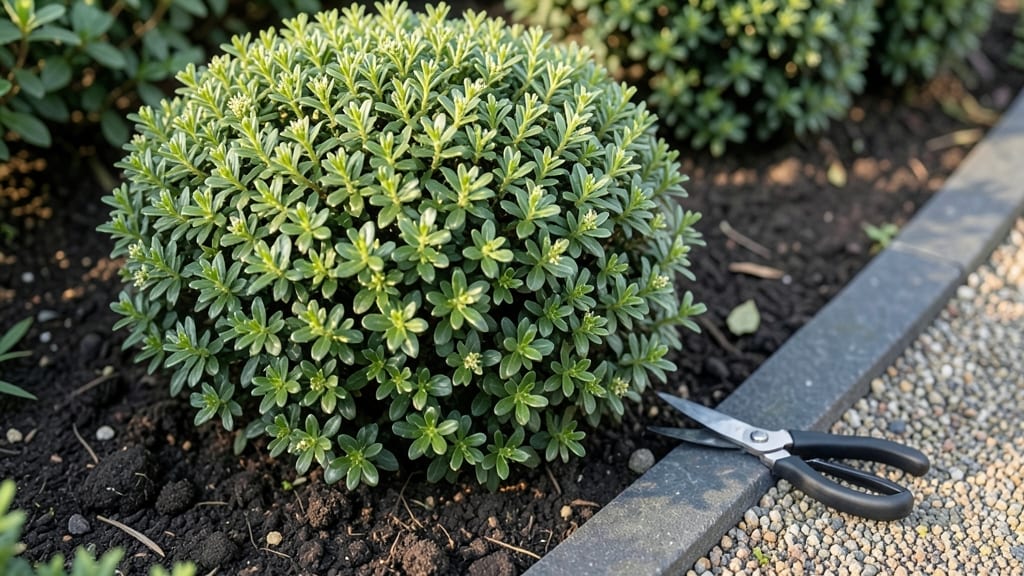
A small formal garden thrives by blending structured layouts with symmetrical plant placements, creating visual harmony in limited spaces. Use tiered elevation through low hedges, topiaries, and potted plants while maintaining a unified color scheme with scale-appropriate varieties like boxwood, lavender, or ornamental grasses.
A small formal garden transforms tight spaces into refined retreats by embracing geometric precision and deliberate plant placement.
The key lies in creating visual balance through symmetrical arrangements—think mirrored shrubs, aligned pathways, or centered focal points like a single topiary or urn. 🌿 Unlike sprawling landscapes, these gardens rely on repetition and restraint, where every element serves a purpose, from the clipped edges of boxwood to the precise spacing of lavender bushes along gravel paths.
Historical influences like French parterres or English knot gardens adapt beautifully to modern compact designs, proving that formality isn't about size but intention.
💡 In This Article
- Key Principles for Formal Garden Layouts in Limited Space
- Best Low-Maintenance Plants for Compact Formal Gardens
Key principles for formal garden layouts in limited space
Formal garden design relies on axial symmetry—a visual axis that divides the space into mirrored halves—creating a sense of order and balance. This principle works because the human eye naturally perceives symmetry as harmonious, reducing visual clutter in confined areas.
Think of a French parterre, where low hedges form geometric patterns along a central path, or an English knot garden, where intricate intertwined designs guide the eye along precise lines.
In modern small gardens, this translates to simple rectangular beds or circular arrangements centered around a focal point like a dwarf topiary or decorative urn.
The magic happens in the geometric shapes that define these spaces. Parterres (raised, bordered plant beds) and gravel paths create crisp edges that frame the garden, while knot gardens (intricate, interwoven patterns) add depth without width.
For example, a 6-foot-wide rectangular bed divided by a narrow gravel path can appear twice as grand as its actual size due to the repetition of clipped boxwood borders.
The key is using proportionate shapes—never let one element dominate; instead, layer smaller geometric forms like square planters or triangular gravel beds to build visual interest.
Layering height and texture prevents flatness in small spaces. Start with a foundation layer of low, dense shrubs like boxwood (typically 12-18 inches tall) or dwarf yew, then add mid-height plants such as lavender (18-24 inches) or ornamental grasses (2-3 feet) to create vertical movement.
Top it off with containers or trellises holding trailing plants like sweet potato vine or ivy, which spill over edges to soften the structure. This tiered approach mimics the French formal garden’s use of perspective, making the space feel larger while maintaining elegance.
Historical styles offer practical adaptations for modern small gardens. French formal gardens prioritize clean lines and geometric precision, ideal for urban courtyards or rooftop gardens where space is at a premium.
English knot gardens, with their intricate, interwoven patterns, work well in slightly larger but still compact areas, offering a tactile, almost sculptural quality. For example, a 4x4-foot knot garden with 12-inch-high boxwood can achieve the same grandeur as a 20-foot version by scaling down the design proportionally.
The trick is to simplify the motifs—use fewer plants but arrange them with meticulous spacing.
Color plays a subtle but critical role in maintaining formality. Stick to a monochromatic or analogous palette (e.g., shades of green, gray, and white) to reinforce structure, or use bold contrasts like deep purple lavender against silver foliage for visual impact.
Avoid busy patterns—opt for textural contrasts instead, such as the velvety leaves of lamb’s ear next to the spiky blades of fountain grass. Even in small spaces, a single pop of color (like a red pot or blue delphinium) can anchor the design without overwhelming it.
What most people overlook is the role of hardscaping in formal gardens. Gravel paths (typically 2-3 feet wide) not only define space but also reflect light, making the area feel brighter and more open. Stone edging or brick borders add permanence and contrast to soft plantings.
For instance, a narrow gravel path (18 inches wide) lined with low boxwood hedges can create a visual corridor that draws the eye deeper into the garden, even in a 6x6-foot space. The key is to let the hardscape guide movement while the plants provide the living, breathing elements.
In small formal gardens, less is more—every plant and path serves a purpose. By combining symmetry, geometric shapes, and layered textures, you create a space that feels intentional and expansive, no matter its size.
The result? A refined retreat that channels the grandeur of historic gardens while fitting seamlessly into modern life. 🌿