
Tools
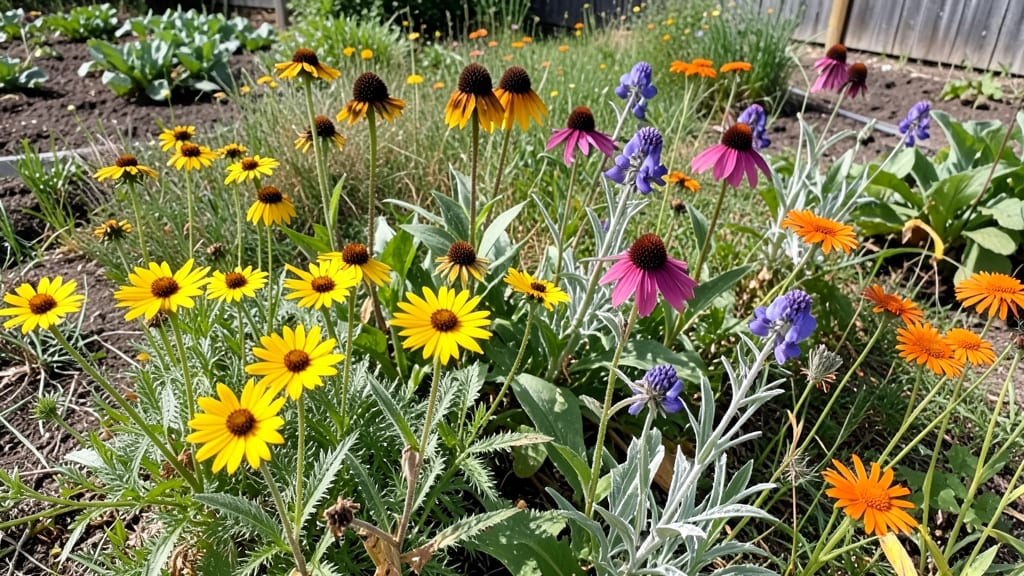
A small wildflower garden transforms even the tiniest corner into a buzzing ecosystem where bees, butterflies, and hummingbirds take center stage.
I designed mine in a 4' x 6' patch along my driveway, and within weeks, the air hummed with activity I'd never seen before—no fancy tools or expensive plants required.
The key lies in mimicking nature's chaos: let the wildflowers spread, mix heights and colors, and embrace the messiness that keeps pollinators thriving.
The beauty of wildflowers is their adaptability—no perfect soil or meticulous spacing needed. Start with a 5-gallon bucket of native seeds (mix perennials like black-eyed Susans with annuals like cosmos for continuous blooms), scatter them over bare soil or existing mulch, and give them a light watering.
Most thrive in full sun to partial shade, and once established, they demand almost no care beyond occasional deadheading. My garden now blooms from early spring through frost, with zero weeding and minimal watering.
What you'll create isn't just a garden—it's a lifeline for declining pollinator populations. Imagine morning coffee while butterflies sip from violet and yellow blooms just inches from your patio, or evening light filtering through tall purple coneflowers swaying in the breeze.
The best part? Every year, the flowers self-seed, expanding their reach while requiring less effort from you. This isn't gardening as work; it's gardening as partnership with nature.
Perfect for balconies, windowsills, or that overlooked patch of earth between sidewalk and street. The only "mistake" you can make is waiting too long to start—so grab those seeds and let the magic begin. Here's how to make it happen, step by step.
📚 In This Guide
- What you need
- Instructions
- Tips and common mistakes
- Wrapping up and next steps
What you need
- ● Wildflower seeds: Choose a mix of native species (e.g., Black-eyed Susan, Coneflower, Milkweed). Aim for 1–2 lbs per 100 sq ft.
- ● Well-draining soil: Test your soil’s pH (aim for 6.0–7.0) or amend with compost if needed.
- ● Organic mulch: Straw or wood chips (1–2 inches deep) to retain moisture and suppress weeds.
- ● Watering can or hose: With a gentle spray nozzle for even moisture.
- ● Garden gloves (to protect your hands).
- ● Hand trowel or small shovel (for digging and planting).
- ● Rake (to loosen soil and level the bed).
- ● Measuring tape (to mark garden boundaries).
- ○ Optional: Seedling trays (if starting indoors).
- ● Drip irrigation kit (for low-maintenance watering).
- ● Bird/butterfly feeders (to attract extra pollinators!).
- ● Sunlight: 6+ hours of direct sun daily (most wildflowers thrive in full sun).
- ● Space: A 4’x4’ plot (16 sq ft) is perfect for a starter garden.
- ● Water source: Ensure easy access for regular (but not over-) watering.
- ● Pro tip: 💡 Check local regulations—some areas restrict native plant removal!
Instructions for crafting a thriving small wildflower haven
Here's how to create a dynamic, low-maintenance wildflower garden that blooms season after season.
Select the Perfect Site and Prepare the Soil
Choose a location that receives at least 6 hours of sunlight daily—most wildflowers thrive in full sun but tolerate partial shade. Avoid low-lying areas where water pools, as wildflowers despise soggy roots. I always test soil drainage by digging a 6-inch deep hole, filling it with water, and timing how long it takes to drain. If water remains after 30 minutes, amend the soil with 2-3 inches of coarse sand or plant in raised beds.
Wildflowers flourish in lean, well-draining soil. Clear existing vegetation, then loosen the top 4-6 inches of soil with a garden fork. This aeration encourages root penetration and reduces competition from weeds. If your soil is heavy clay, mix in 1 part compost to 3 parts native soil—this improves structure without smothering delicate wildflower roots.
Choose a Diverse Wildflower Mix for Year-Round Interest
Select a pre-mixed wildflower seed blend designed for your climate zone—look for varieties that include early bloomers like lupine and phlox, mid-season stars like black-eyed Susan and coneflower, and late-season performers like goldenrod and asters. I always avoid monocultures; a mix of 5-7 different species ensures continuous color from spring through fall.
Scatter seeds sparingly—wildflowers self-seed prolifically, so 1/4 pound of seed per 100 square feet is plenty. Lightly rake the soil surface to cover seeds with no more than 1/8 inch of soil. Press the area gently with your hands or a board to ensure good seed-to-soil contact. This prevents seeds from washing away during irrigation.
Water Strategically to Encourage Germination
Keep the soil consistently moist but never soggy during the first 4-6 weeks—this is critical for germination. I use a soaker hose set to deliver 1/2 inch of water per week, applied in the early morning. Avoid overhead sprinklers, which can dislodge seeds or create muddy conditions that suffocate tender seedlings.
Once seedlings reach 2-3 inches tall, gradually reduce watering to 1 inch per week. Wildflowers develop deep taproots that access moisture below the surface, so they tolerate drought far better than many garden plants. After 8 weeks, water only during prolonged dry spells—this mimics natural conditions and prevents weak, floppy growth.
Maintain with Minimal Intervention for Maximum Impact
Wildflowers thrive with zero fertilization—their beauty comes from natural adaptation, not chemical inputs. The only exception is phosphorus-rich bone meal applied at 1/2 pound per 100 square feet in early spring if your soil tests low in phosphorus. This supports root development without encouraging rampant weed growth.
Mulch lightly with 2 inches of straw after the first flush of blooms to suppress weeds and retain moisture. I always leave 6 inches of space between plants—this prevents overcrowding and allows each flower to showcase its unique form. Deadhead spent blooms in late summer to encourage a second flush of color, but leave some seed heads for pollinators and self-seeding.
Extend the Season with Strategic Planting and Care
For year-round interest, include winter-hardy perennials like sedum and Russian sage, which provide structure and color even in cold months. In early spring, rake lightly to disturb the soil surface—this exposes fresh seeds and encourages new growth. Wildflowers often bloom in waves, so I mark the first appearance of each species on a calendar to track their individual cycles.
By late fall, cut back 1/3 of the plant material to reduce winter dieback and improve airflow. This prevents fungal diseases while still providing shelter for overwintering pollinators. Wildflowers are incredibly resilient—once established, they’ll spread naturally, creating a self-sustaining meadow that requires no additional planting for years to come.
Tips & tricks for perfect small wildflower garden
The secret to a vibrant wildflower garden lies in the details—from site selection to seasonal care. These insights will help you create a thriving pollinator haven that blooms beautifully year after year.
Site Selection is Everything: That 6 hours of daily sunlight is non-negotiable for most wildflowers, but don't overlook microclimates. If your yard has areas with afternoon shade, consider planting sun-loving varieties like black-eyed Susan on the south side of structures, while more shade-tolerant species like phlox can thrive in morning sun. I've found that even small variations in sunlight exposure can dramatically affect bloom cycles and plant health.
Soil Drainage Test: The 30-minute drainage test in Step 1 is your best friend for avoiding soggy roots. If water lingers beyond this time, consider creating mounds or berms to improve drainage. For heavy clay soils, mixing in 1 part compost to 3 parts native soil creates the perfect balance—just be careful not to over-amend, as wildflowers prefer lean conditions that prevent weed competition.
Seed Scattering Precision: When scattering those 1/4 pound seeds per 100 square feet, think of it as creating a natural carpet rather than planting rows. Use a seed spreader for even distribution, then lightly rake to cover with just 1/8 inch of soil—this delicate layer is crucial for germination. I've learned that pressing the area gently after scattering helps maintain seed-to-soil contact, preventing wind or rain from displacing them during irrigation.
Watering Strategy: The 4-6 week germination period with consistent moisture is critical, but timing matters just as much as quantity. Early morning watering minimizes evaporation and prevents fungal issues that can develop from wet foliage overnight. Once seedlings reach 2-3 inches, that gradual reduction to 1 inch per week builds resilience—wildflowers develop deep taproots that access moisture below the surface, so we're training them to thrive in natural conditions.
Pro Tips for Small Wildflower Garden
- The secret to a vibrant wildflower garden lies in the details—from site selection to seasonal care.
- Site Selection is Everything: That 6 hours of daily sunlight is non-negotiable for most wildflowers, but don't overlook microclimates.
- Soil Drainage Test: The 30-minute drainage test in Step 1 is your best friend for avoiding soggy roots.
Frequently asked questions
Got questions about creating your own small wildflower garden?
You’re not alone! Here are some of the most common concerns—and their easy solutions—to help you get started with confidence.
Can I plant wildflowers in containers or just a small patch of soil?
Wildflowers thrive in containers, window boxes, or even cracks in pavement. Use well-draining soil and shallow-rooted varieties like calendula or cosmos for pots. Just ensure they get at least 6 hours of sunlight daily. For a true "wild" look, a 3x3-foot patch in your yard works perfectly!
When is the best time to plant wildflowers for year-round blooms?
For most regions, late summer to early fall (August–September) is ideal—seeds germinate in cool weather and establish roots before winter. In warmer climates, spring planting (February–March) also works. Pro tip: Mix in a few perennial seeds (like black-eyed Susan) for long-term color!
Will wildflowers attract pests like mosquitoes or rodents?
Not at all! Wildflowers are pollinator magnets (bees, butterflies, hummingbirds), but they don’t breed mosquitoes. Avoid stagnant water near your garden, and choose native species like milkweed (which deters pests naturally). Rodents? They’re more likely to snack on fallen seeds—cover seeds lightly with soil to deter them.
How often do I need to water a small wildflower garden?
Once established (after 2–3 weeks), wildflowers are drought-tolerant! Water deeply once a week during dry spells, but avoid overwatering—most prefer dry conditions. New seedlings need consistent moisture, so keep soil damp (not soggy) until they sprout. Mulch lightly to retain moisture.
What if my garden looks messy or overgrown?
Embrace the "wild" charm! Trim back spent blooms in late winter to encourage new growth, but avoid cutting too low. For a tidier look, interplant with ornamental grasses or low-growing ajuga. Remember: Pollinators love untamed spaces—your garden is doing its job!
Wrapping up and next steps
Creating a small wildflower garden is a rewarding way to support pollinators while adding beauty to your space—no matter the size! 🌸 With the right mix of native flowers, thoughtful placement, and minimal upkeep, you’ll soon enjoy a vibrant, buzzing ecosystem that thrives year-round.
Start small, experiment with colors, and watch your garden grow into a thriving haven for bees, butterflies, and birds.
Ready to take the next step? Pick a sunny spot, grab your seeds, and let nature do the rest! 🌱