Planting
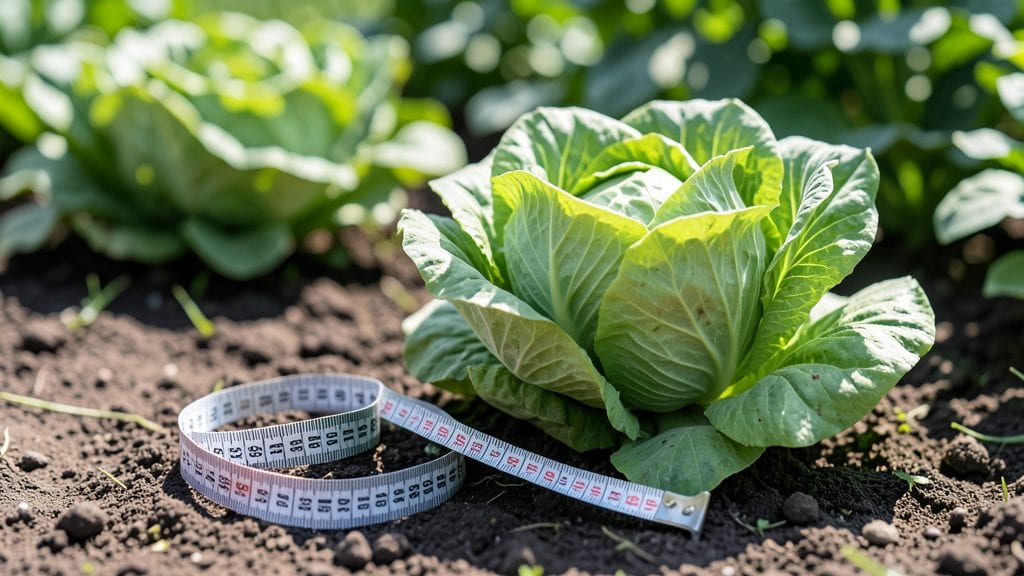
Determining spacing for garden plants requires balancing mature size, sunlight needs, and root competition: herbs thrive at 6–12 inches apart, while vegetables like tomatoes need 18–24 inches, and trees or shrubs demand 6–15 feet. Always check plant tags for exact guidance and adjust for wind or container limitations.
Proper spacing isn't just about aesthetics—it's about giving plants room to grow without competing for nutrients or light. 🌱 For instance, leafy greens like spinach can handle tighter spacing (4–6 inches) because they mature quickly, while sprawling vines such as cucumbers need at least 3 feet of clearance to avoid disease.
Even within the same plant family, dwarf varieties (like bush beans) can be planted 6 inches apart, while their full-size counterparts require twice that space. The key is matching the plant's natural growth habit to your garden layout, whether you're using raised beds or in-ground rows.
Most gardeners overlook how wind exposure affects spacing—plants in open areas need slightly more room to avoid flopping or breaking under strong gusts. Container gardening also changes the rules: root-bound plants in pots may need 20–30% less space than their in-ground counterparts.
Always start with the plant tag's recommendations, then tweak based on your microclimate and goals. For example, if you're growing basil for pesto, you can crowd plants at 6 inches apart, but if you want large leaves for sandwiches, 12 inches gives them the elbow room they need.
💡 In This Article
- How Plant Biology Dictates Spacing Needs
- Practical Spacing Charts for Common Garden Plants
How plant biology dictates spacing needs
Every plant has an invisible blueprint—its root system and canopy shape—that determines how much space it needs to thrive. Plants with taproots (like carrots or dandelions) grow deep, allowing them to stretch their roots farther apart, which is why they often need less horizontal spacing.
In contrast, fibrous root systems (found in grasses, onions, or strawberries) spread out wide, demanding more room to prevent root competition. The science here is simple: roots need space to access water and nutrients without battling neighbors for resources.
Canopy spread is another critical factor—think of it as the plant's personal bubble. Bush-type plants like tomatoes or peppers grow in all directions, so they need 18–24 inches of space to avoid shading each other.
Vining plants, however, stretch horizontally (like cucumbers or pole beans), requiring 3–6 feet of clearance or trellis support. Even within the same species, growth habits vary: indeterminate tomato varieties grow taller and need more vertical space, while determinate types stay compact and can be planted closer.
Sunlight competition is where spacing becomes an art. Leafy greens like lettuce or kale can handle 6–12 inches apart because they mature quickly and don’t block much light.
But blocky plants like squash or pumpkins cast deep shadows, so they need 3–4 feet of space to ensure all plants get adequate light. This is why row crops (like corn planted in single rows) often outperform block planting in some climates—air circulates better, reducing humidity and fungal diseases.
Air circulation and disease prevention are often overlooked but critical. Crowded plants trap moisture, creating the perfect conditions for fungal infections like powdery mildew or bacterial blight. For example, basil planted too closely will develop black spots from poor airflow, while the same plants spaced 12 inches apart stay healthy.
Even wind exposure plays a role: plants in open areas need slightly more space to avoid flopping or breaking under gusts, while sheltered gardens can accommodate tighter spacing.
Consider how roots and shoots interact—what’s happening below ground often dictates what’s possible above. A plant like asparagus, with its deep taproot, can handle 12–18 inches of spacing because its roots spread wide underground, but its shoots need room to emerge without crowding.
Meanwhile, shallow-rooted herbs like thyme or oregano thrive in 6–12 inches because their roots don’t compete aggressively. The key is matching the plant’s natural growth rhythm to your garden’s layout.
For container gardening, spacing rules shift entirely. Root-bound plants in pots may need 20–30% less space than their in-ground counterparts because their roots can’t spread freely. This is why dwarf varieties (like bush beans) are perfect for containers—they stay compact without sacrificing yield.
Always start with the plant tag’s recommendations, then adjust based on your microclimate and goals. Whether you’re planning a raised bed or a windowsill herb garden, understanding these biological cues turns guesswork into science. 🌿