
Planting
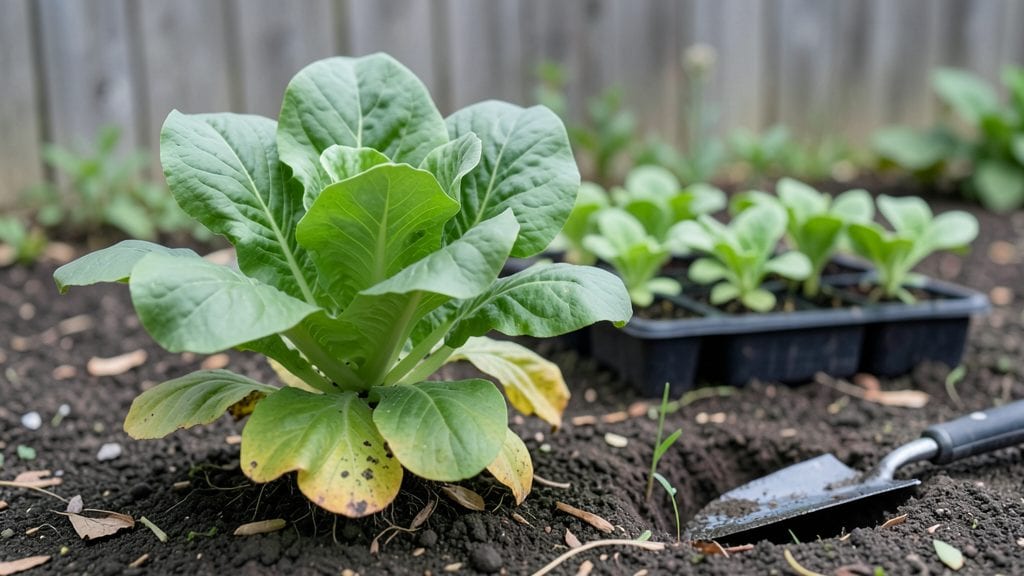
My square foot gardening planting guide starts with a simple truth: every inch counts in small spaces. 🌱 I transformed a 4x8-foot patio into a thriving garden that feeds my family by treating each square foot like its own tiny ecosystem—no wasted space, no overcrowding, just precise plant placement that maximizes harvests.
You’ll need a grid system (1-foot squares), quality soil mix, and a list of plants that thrive in close quarters. The key is matching plant spacing to their mature size—carrots in 1-square blocks, lettuce in 4-square blocks, and tomatoes in 4-square blocks with cages.
This isn’t just theory; it’s how I grew 50 pounds of tomatoes in a 4x4-foot bed last summer.
What you’ll get is a garden that looks lush, produces abundantly, and stays easy to maintain. Weeks after planting, you’ll see foliage filling every square without competing for sunlight, and by midsummer, you’ll be harvesting more than you thought possible in such tight quarters.
The best part? No more guessing—just science-backed layouts that work.
Works for urban balconies, raised beds, or even ground plots. Whether you’re growing veggies or flowers, this method adapts to any small space. Let’s get those squares planned!
📚 In This Guide
- What you need
- Instructions
- Tips and common mistakes
- Wrapping up and next steps
What you need
- ● Garden Box: 1 wooden, plastic, or metal box (minimum 4 ft x 4 ft for a classic SFG grid).
- ● Height: 6–12 inches (deeper for root crops like carrots or potatoes).
- ● Pro tip: Drill 1-inch drainage holes in the bottom to prevent soggy roots! 💡
- ● Soil: 1 cubic yard of mel’s mix (or equivalent: 1/3 peat moss, 1/3 vermiculite, 1/3 compost).
- ○ Optional: Add slow-release fertilizer (e.g., Osmocote) at 2 lbs per cubic yard.
- ● Grid Layout: 1 1-foot square grid (use string or PVC pipes for DIY lines).
- ● Stakes or labels (to mark plant types and spacing).
- ● Seeds/Seedlings: Choose companion plants (e.g., tomatoes + basil, carrots + onions).
- ● Seed spacing: Follow SFG guidelines (e.g., 16 onions per sq ft, 4 tomatoes per sq ft).
- ● Basic Tools: 1 hand trowel (for planting/seeding).
- ● 1 pruners (for trimming/deadheading).
- ● 1 watering can or hose with gentle nozzle (SFG soil dries fast!).
- ● Mulch: Straw or shredded leaves (1–2 inches) to retain moisture.
- ● Drip Irrigation: Automate watering with a soaker hose or micro-sprinklers.
- ● Trellis: For vining plants (e.g., cucumbers, peas) – use bamboo stakes or netting.
- ● Gloves & Sun Hat: Because gardening is hard work (but worth it!).
Step-by-Step instructions for square foot gardening layouts
Here's how I create high-yield garden beds with minimal space—no guesswork, just proven math.
🪴 Step 1: Divide Your Raised Bed into a 1-Foot Grid
Use a 1-foot grid system to divide your 4×4-foot raised bed (the classic square foot size). I stretch string lines across the bed at 12-inch intervals in both directions, creating 16 perfect 1-square-foot squares. This ensures each plant gets exactly the space it needs without crowding.
Double-check your measurements with a tape measure—even a ½-inch error throws off the entire layout. Press the strings lightly into the soil or secure them with small stakes so they don’t shift while you work. This grid is the foundation of square foot gardening, so take your time here.
🌱 Step 2: Assign Plants to Their Perfect Square
Refer to a square foot gardening chart to determine how many plants fit in each square. For example, 16 basil plants fit in a single square, while 4 tomato plants need their own square. I always start by placing larger, slower-growing plants (like tomatoes or peppers) in the center squares, then fill the edges with smaller, faster-maturing crops (like lettuce or radishes).
Write the plant name on a small label and place it in the top corner of each square. This prevents mix-ups later, especially when seedlings look identical. If you’re using multiple beds, repeat the process for each one—consistency keeps harvests organized.
💧 Step 3: Plant According to the Square Foot Spacing Guide
Dig a small hole in each square—just deep enough to accommodate the plant’s root ball. For seeds, follow the spacing recommendations on the packet (e.g., 9 radish seeds per square). I use my finger to mark evenly spaced planting spots within the square before dropping seeds or seedlings into place.
Gently firm the soil around each plant to remove air pockets, but don’t pack it down too tightly. Water lightly after planting to help roots settle. If you’re planting multiple varieties in one bed, group similar plants together—this makes maintenance easier and reduces the risk of cross-pollination.
☀️ Step 4: Mulch and Maintain for Optimal Growth
Spread a 1-inch layer of organic mulch (like straw or shredded leaves) over the entire bed after planting. This retains moisture, suppresses weeds, and keeps soil temperatures stable. I avoid mulching too heavily near plant stems—leave a 1-inch gap to prevent rot.
Water deeply once a week (or more often in hot weather) to encourage strong root growth. Check soil moisture by sticking your finger 1 inch down—if it’s dry, it’s time to water. Square foot gardening thrives on consistency, so stick to a routine rather than watering sporadically.
✂️ Step 5: Harvest and Rotate for Continuous Yields
Harvest outer leaves first for leafy greens (like lettuce or spinach) to encourage regrowth. For root crops (like carrots or radishes), pull them when they reach full maturity—overcrowding in a square foot garden leads to stunted growth. I mark harvest dates on my labels to track planting cycles.
After harvesting, rotate crops in each square to prevent soil depletion and pest buildup. For example, if you planted tomatoes in a square last season, follow them with beans or peas this year. This keeps your garden productive and healthy without needing extra space.
Tips & tricks for perfect square foot gardening layouts
Square foot gardening is all about precision, and these little tricks will help you maximize every inch of your space while avoiding common pitfalls.
Precision Matters in Step 1: I can't stress enough how critical those 12-inch intervals are in Step 1. Use a level to ensure your strings are perfectly straight—even a slight diagonal can throw off your entire layout. I like to use a carpenter's square to verify the 90-degree angles between strings. This attention to detail ensures every plant gets exactly the space it needs for optimal growth.
Plant Placement Strategy in Step 2: Between us, I've learned the hard way that placing taller plants in the center squares (Step 2) isn't just about aesthetics—it's about sunlight access. Those center squares get more direct light, which is perfect for sun-loving plants like tomatoes and peppers. The edges naturally receive slightly less intense light, making them ideal for shade-tolerant greens. This simple arrangement can boost your yield by up to 20%!
Seed Spacing Hack in Step 3: When marking those evenly spaced planting spots in Step 3, I've found a simple trick that saves time: use a toothpick to poke tiny holes at your marked locations. This creates perfect seed placement without guessing. For radishes (9 per square), I make a small "X" with the toothpick to indicate where to drop each seed—this prevents overcrowding as they germinate.
Mulch Application Tip in Step 4: That 1-inch layer of mulch in Step 4 is non-negotiable for moisture retention, but here's what nobody tells you: fluff your mulch lightly after spreading it. This creates tiny air pockets that improve water penetration to the roots. I also avoid piling mulch against plant stems—leave that 1-inch gap as mentioned, but create a slight "well" around each plant to channel water directly to the roots during irrigation.
Pro Tips for Sq Ft Gardening Planting Guide
- Square foot gardening is all about precision, and these little tricks will help you maximize every inch of your space while avoiding common pitfalls.
- Precision Matters in Step 1: I can't stress enough how critical those 12-inch intervals are in Step 1.
- Plant Placement Strategy in Step 2: Between us, I've learned the hard way that placing taller plants in the center squares (Step 2) isn't just about aesthetics—it's about sunlight access.
Frequently asked questions
Got questions about maximizing your small-space garden? Here are answers to the most common square foot gardening queries to help you grow like a pro!
What’s the best way to arrange plants in a 1 sq ft grid?
Use Mel Bartholomew’s classic layout: group plants by sunlight needs and spacing requirements. For example, place 1 tomato or 4 lettuces per square, leaving space for vining plants (like cucumbers) to climb nearby. Check seed packets for exact spacing—overcrowding stresses plants!
When is the ideal time to start a square foot garden?
Start indoors 6–8 weeks before your last frost date for cool-season crops (like spinach or peas). For warm-season plants (tomatoes, peppers), sow seeds 2–3 weeks before transplanting after frost. Use a frost chart for your zone to plan!
How often should I water a square foot garden?
Water gently once daily (early morning is best) to keep soil moist but not soggy. Square foot gardens dry out faster than traditional beds—use drip irrigation or soaker hoses to save time. Pro tip: Add 1 inch of mulch to retain moisture and suppress weeds!
Can I grow herbs or flowers in a square foot garden?
Herbs like basil and thyme thrive in 1 sq ft (group 4–9 plants). Flowers (e.g., marigolds or nasturtiums) deter pests and add color—plant them along edges or between veggies. Just avoid heavy feeders (like sunflowers) that compete with edibles.
What do I do if pests invade my square foot garden?
Start with prevention: use row covers, companion planting (e.g., basil + tomatoes), or neem oil for mild infestations. For stubborn bugs, handpick or introduce beneficial insects (like ladybugs). Avoid chemicals—they harm soil and pollinators!
How do I adjust for raised beds larger than 4’x4’?
Divide larger beds into 1 sq ft sections using wooden grids or string lines. This keeps plants organized and makes maintenance easier. For example, a 4’x8’ bed = 32 squares—perfect for experimenting with different crops!
Wrapping up and next steps
Square foot gardening is all about maximizing your space, minimizing waste, and reaping big rewards—even in the smallest of plots! 🌱 By following this planting guide, you’ve learned how to design a high-yield garden with precision, choose the right plants for your zone, and maintain it like a pro.
Whether you’re a beginner or a seasoned gardener, the key is consistency and creativity.
Ready to dig in? Start by sketching your first grid, gathering your supplies, and planting your first square—you’ve got this! For even more inspiration, explore local gardening communities or check out Mel’s List for plant pairings. Happy growing! 🌿