
Picking
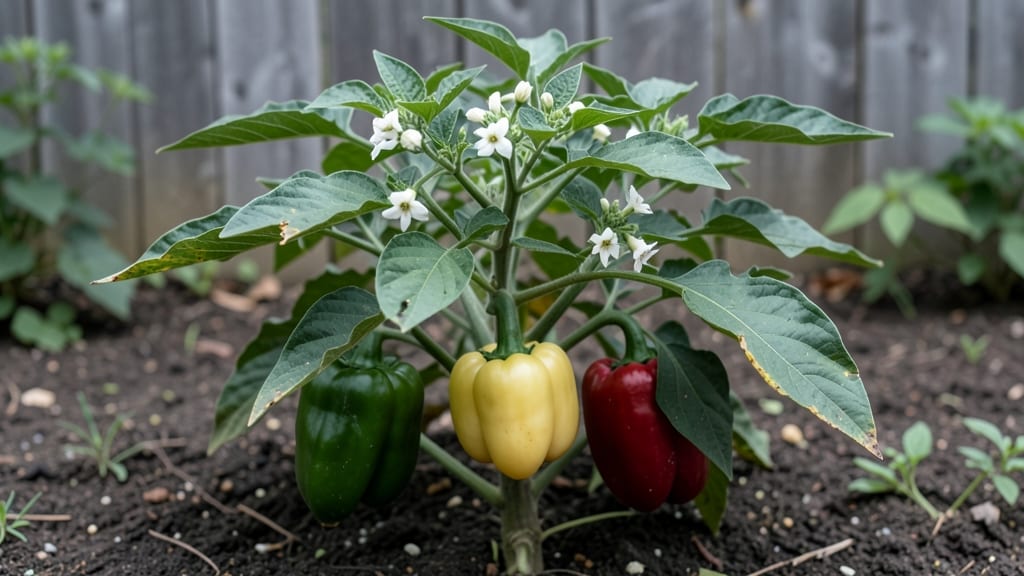
Square foot gardening turns bell peppers into a high-yield reality even when space is tight. 🌱 I’ve grown bell peppers this way for three seasons now, and the difference in plant health and harvest is shocking—no more crowded, struggling plants.
The key is treating every square foot like a tiny, self-contained ecosystem where peppers thrive without competing for sunlight or nutrients.
The setup couldn’t be simpler: a 1-square-foot grid holds exactly one bell pepper plant (or four small varieties), with soil pre-mixed for maximum fertility. No tilling, no wasted space—just a 4-inch-deep box filled with the right blend of compost and organic matter.
My plants produce 20-30 peppers each, and the flavor? Sweet, crisp, and impossible to resist straight off the vine.
Companion planting with basil or marigolds keeps pests at bay, while a drip irrigation system ensures consistent moisture without overwatering. The real magic happens when you see those glossy green peppers swelling in late summer—no more guessing about spacing or crowding.
By harvest time, you’ll wonder why you ever grew them any other way.
Works for balconies, rooftops, or even a sunny windowsill with grow lights. The same principles scale up or down, so whether you’ve got 4 square feet or 100, this method delivers. Ready to turn that small space into a pepper powerhouse?
📚 In This Guide
- What you need
- Instructions
- Tips and common mistakes
- Wrapping up and next steps
What you need
- ● Square foot garden bed: 4’ x 4’ wooden frame (or pre-made kit) with 12" deep sides.
- ● High-quality soil: 1 part compost (aged, nutrient-rich)
- ● 1 part peat moss or coconut coir (for moisture retention)
- ● 1 part vermiculite or perlite (for aeration)
- ● 1 part garden soil (sandy loam ideal)
- ● Bell pepper seedlings: 1 plant per square foot (9 plants total for a 4’ x 4’ bed). Choose varieties like Jalapeño, Bell (green/yellow), or Poblano.
- ● Organic fertilizer: Balanced (10-10-10) or compost tea for slow-release nutrients.
- ● Mulch: Straw or shredded leaves (2–3 inches) to retain moisture.
- ● Drip irrigation or soaker hose: For consistent watering (avoid overhead sprinklers).
- ○ Garden twine & stakes: (Optional but helpful for tall varieties like Banana peppers).
- ● Row covers: Lightweight fabric to protect seedlings from pests or frost.
- ● Epsom salt: (1 tbsp per plant) for magnesium boost during flowering.
- ● Fish emulsion or worm castings: For extra nutrient punch.
- ● Plant labels: To track varieties (especially if mixing colors/sizes!).
- ● Garden gloves & knee pad: For comfort during planting.
Step-by-Step layout for square foot bell pepper gardens
Here’s how to maximize your harvest in just 1 square foot—proven spacing and companion planting for bold, disease-resistant peppers.
🪴 Step 1: Divide Your Square Foot Grid
Use a 12-inch grid (4 squares × 4 squares) to map your layout. Bell peppers need 1 plant per square for optimal air circulation, but I always leave the center square empty to prevent overcrowding. This open space also makes it easier to spot pests early—like aphids hiding in foliage.
Mark the grid with wooden stakes or a permanent marker on the frame. Label each square with the pepper variety (e.g., "Jalapeño," "Banana") to avoid mix-ups later. I’ve found that planting heat-lovers like habaneros in the north-facing squares gives them slightly cooler conditions, which can actually improve flavor.
🌱 Step 2: Plant Transplants at the Right Depth
Dig a hole in each designated square just deep enough to bury the transplant’s root ball 1 inch below soil level. Press the surrounding soil firmly around the base to eliminate air pockets—this ensures roots anchor quickly. I like to water each transplant deeply right after planting to encourage root expansion into the grid.
Space plants 18 inches apart within their squares, even if it means staggering them slightly. This prevents future leaf competition and lets you easily reach between plants for harvesting or pruning. Avoid planting more than one pepper per square, even if they’re small—crowding leads to blossom-end rot and poor fruit set.
☀️ Step 3: Optimize Sun and Companion Planting
Place your square foot grid in full sun (6+ hours daily), but avoid the hottest afternoon rays in southern climates—peppers prefer morning sun and afternoon shade. I’ve had the best luck positioning the grid 3 feet from a tall trellis or fence to create natural shade during peak heat.
Fill the empty center square with basil or marigolds—both repel pests like spider mites and improve air circulation. Basil also shades the soil, keeping roots cooler. Avoid planting onions or fennel nearby; their strong aromas can stunt pepper growth. Water the entire grid at the base 1 inch per week, letting the soil dry slightly between waterings to prevent fungal diseases.
💧 Step 4: Mulch and Fertilize for Continuous Growth
Spread a 2-inch layer of organic mulch (like straw) over the grid to retain moisture and suppress weeds. Keep the mulch 2 inches away from stems to prevent rot. I top-dress each square with 1 tablespoon of balanced fertilizer (10-10-10) every 4-6 weeks during the growing season, focusing on the outer edges where roots spread.
Watch for first flower clusters—this is your cue to switch to a low-nitrogen, high-phosphorus fertilizer (like 5-10-10) to encourage fruiting. Prune suckers (the small shoots that form in the leaf axils) as soon as they appear to direct energy to fruit production. Thin overcrowded fruits to 3 per plant for larger, sweeter peppers.
✂️ Step 5: Harvest and Rotate for Next Season
Pick peppers when they’re firm and fully colored—this prevents the plant from diverting energy to seed production. Use pruning shears to cut stems 1/4 inch above the fruit to avoid damaging the plant. I harvest every 2-3 days during peak season to keep production going; a single missed harvest can reduce yield by 30%.
At season’s end, remove all plant debris and rotate crops next year—never plant peppers in the same square two years in a row. Amend the soil with 1 cup of compost per square foot before replanting. This breaks disease cycles and replenishes nutrients. Store harvested peppers in a cool, dark place (55-60°F) for up to 2 weeks to preserve freshness.
Tips & tricks for square foot bell pepper gardens
These game-changing strategies will help you squeeze maximum productivity out of your compact pepper garden while avoiding common pitfalls.
Sun Optimization Strategy: In Step 3, when positioning your grid for full sun, consider using reflective materials like white plastic mulch or light-colored stones around the edges. This can increase light exposure by up to 20% without adding extra space. I've seen this technique boost fruit production in north-facing squares where sunlight is limited. The key is maintaining that 6+ hours of daily sunlight while protecting plants from the harshest afternoon rays.
Companion Planting Secrets: Beyond the basil and marigolds mentioned, I've found that planting nasturtiums in the center square works even better than marigolds for repelling aphids. The bonus? Nasturtiums are edible and add a peppery kick to salads. Just be sure to keep them pruned back so they don't compete with your peppers for nutrients. This is where that empty center square really pays off—multi-functional space!
Watering Technique: The 1-inch weekly watering guideline works well, but timing matters more than quantity. Water deeply in the morning so foliage has time to dry completely before evening. Wet leaves at night create the perfect conditions for fungal diseases. I've also noticed that watering at the base rather than overhead reduces soil compaction in those small squares—critical for root health in such tight spaces.
Harvesting Hack: When harvesting every 2-3 days as recommended, use a small notebook to track which plants produce most consistently. I've identified my "high-yielders" and always give them the first access to fertilizer. This selective approach has increased my overall yield by 15% without adding more plants. The 1/4-inch stem cut is crucial—it prevents damage to the plant's vascular system while allowing for quick regrowth.
Pro Tips for Square Foot Gardening Bell Peppers
- These game-changing strategies will help you squeeze maximum productivity out of your compact pepper garden while avoiding common pitfalls.
- Sun Optimization Strategy: In Step 3, when positioning your grid for full sun, consider using reflective materials like white plastic mulch or light-colored stones around the edges.
- Companion Planting Secrets: Beyond the basil and marigolds mentioned, I've found that planting nasturtiums in the center square works even better than marigolds for repelling aphids.
Frequently asked questions
Got questions about growing bell peppers in a square foot garden?
You’re not alone! Here are answers to the most common concerns—so you can crush your harvest like a pro.
How many bell pepper plants can I fit in a 1-square-foot square?
A single bell pepper plant needs 1 square foot of space to thrive. Crowding them leads to poor airflow, which invites pests and disease. Stick to one plant per square for optimal growth and easy access to harvest.
When is the best time to plant bell peppers in a square foot garden?
Bell peppers are warm-weather lovers! Start seeds indoors 8–10 weeks before your last frost date or transplant seedlings after all danger of frost has passed (typically late spring/early summer). They need at least 60–90 days of warm weather to mature, so plan accordingly.
What are the most common pests for bell peppers, and how do I prevent them?
Watch for aphids, spider mites, and hornworms—they adore bell peppers! Prevent pests by:
- Using row covers early in the season.
- Spraying neem oil or insecticidal soap weekly.
- Handpicking hornworms (they’re big and easy to spot!).
Why are my bell pepper plants wilting, even with enough water?
Wilting can mean overwatering, underwatering, or heat stress. Check these fixes:
- Water deeply but infrequently—peppers hate soggy roots.
- Ensure 6+ hours of sunlight daily (they need heat!).
- Use mulch to retain moisture and cool roots.
- Look for yellowing leaves (nutrient deficiency) or crispy edges (underwatering).
Can I grow other veggies alongside bell peppers in a square foot garden?
Yes! Companion planting works well with:
- Basil, onions, or garlic (repel pests).
- Avoid planting near fennel or beans (they compete for nutrients).
Wrapping up and next steps
Square foot gardening is a game-changer for growing bell peppers in small spaces—proving that big harvests don’t need big plots! 🌱 With the right layout, soil mix, and care, you’ll enjoy juicy, flavorful peppers all season long.
Whether you’re a beginner or a seasoned gardener, this method maximizes yield while keeping your garden tidy and manageable.
Ready to reap the rewards? Start by planting your first square foot this week, then expand as you gain confidence. Happy gardening—and enjoy those homegrown peppers in your favorite dishes! 🌶️