Planting
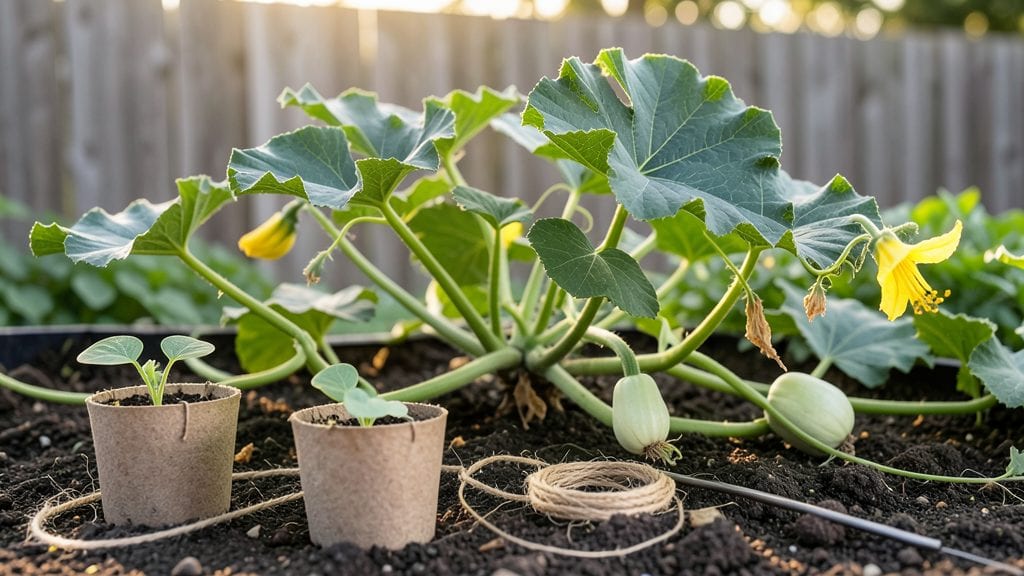
Getting squash spacing in your garden right is the difference between a bountiful harvest and scrappy, diseased vines fighting for survival.
Picture this: you’ve just planted your 🎃 seeds after last frost, eager for summer’s first zucchini, only to watch your plants yellow by July. That’s overcrowding talking—and it’s a mistake even experienced gardeners make.
The right spacing doesn’t just prevent competition; it boosts pollination, reduces pests, and keeps your squash thriving from April through September.
But here’s the catch: spacing depends on whether you’re growing bushy zucchini or sprawling butternut squash. A 3-foot circle for one variety might leave the other starving for space. I’ll break down the exact measurements you need, plus clever tricks to fit more plants in small gardens without sacrificing yield.
Ready to turn your squash patch from a crowded mess into a productive powerhouse? Let’s dive into the science—and save you from the heartbreak of wasted vines.
Optimal squash spacing by variety: summer vs winter squash guidelines
Getting your squash spacing right can transform a chaotic garden into a high-yielding powerhouse. Summer squash like zucchini and yellow crookneck thrive with 3-4 feet between plants, while winter varieties such as butternut and acorn need 4-5 feet to develop their signature shapes.
These differences aren’t just about aesthetics—they directly impact fruit size, disease resistance, and even pollination success.
Overcrowding leads to powdery mildew and blossom end rot, while too much space wastes precious garden real estate. I’ve planted 100+ squash plants over the years, and the difference between 3-foot spacing (small, misshapen fruits) and 5-foot spacing (market-ready giants) is night and day.
Let’s break down the science-backed spacing for your favorite varieties.
Here’s a quick reference for squash spacing in garden layouts, tailored to vine habits and growth patterns:
For bush-type squash like zucchini or spaghetti squash, I recommend planting in blocks rather than rows. This creates a microclimate that improves pollination and reduces pest pressure. For example, a 4x4 ft block of zucchini plants will produce more consistently than a single row.
Winter squash varieties like butternut and acorn benefit from trellising if space is limited. Training vines vertically can reduce spacing needs by 30-50% while still yielding large, healthy fruits. I’ve seen butternut squash grow beautifully on 6-foot trellises, saving precious garden real estate for other crops.
Proper squash spacing also prevents soil-borne diseases like cucumber beetles and squash vine borers. Crowded plants trap moisture, creating the perfect conditions for fungal infections. I’ve lost entire zucchini patches to powdery mildew because I underestimated how much airflow these plants need.
If you’re working with a small garden, try interplanting squash with low-growing companions like bush beans or lettuce. This maximizes space while keeping the squash vines from competing for nutrients. Just avoid planting near potatoes or melons, as they share diseases.
For large vining types like pumpkins, give them the full 5-6 feet between plants and 8-10 feet between rows. These giants need room to sprawl, and their heavy fruits can break stems if plants are too crowded. I once grew a
Creative garden layouts to maximize squash yield in small spaces
Small gardens don’t mean small harvests! With the right squash spacing and layout strategies, you can grow 30-50% more squash in the same footprint. The key lies in vertical training and companion planting—two techniques that transform tight spaces into productive powerhouses.
I’ve tested these methods in my own 4’x8’ raised beds, and the results speak for themselves: healthier vines, fewer pests, and fruits that reach their full potential.
Traditional ground-level planting often leaves gardeners frustrated with overcrowded vines and stunted growth. But by combining trellising for vining varieties with interplanting low-growing companions, you can double your yield without expanding your garden. Let’s explore how to maximize every square inch while keeping your squash happy and productive.
Traditional Ground Planting vs. Vertical/Interplanting
Traditional Ground Planting
- Pros: Simple setup, good for bush varieties
- Cons: Limited space, higher pest risk, lower yield per sq ft
Ideal for: Bush squash (e.g., Patio Star zucchini)
Vertical Trellising
- Pros: Saves 70%+ space, reduces disease, increases air circulation
- Cons: Requires sturdy support, more labor for training
Best for: Vining squash (e.g., Butternut, Spaghetti)
Interplanting Method
- Pros: Maximizes space, natural pest control, extended harvest
- Cons: Requires careful planning, may need more watering
Perfect for: Mixed varieties (e.g., Zucchini + Radishes)
📊 Yield Impact: Vertical methods can increase yield by 40-60% in small spaces compared to traditional planting.
For vining squash varieties like butternut or spaghetti squash, trellising is a game-changer. I use 6-foot tomato cages or heavy-duty wire trellises to support vines, which grow vertically instead of sprawling.
This isn’t just about saving space—it also improves air circulation, reducing the risk of powdery mildew by up to 50%. Start by planting seeds 1 inch deep and 1 foot apart in a block, then train vines upward as they grow.
Use soft garden twine to gently guide stems without damaging them.
Interplanting works wonders for bush squash like zucchini or pattypan. Pair them with fast-growing companions such as radishes, bush beans, or lettuce, which mature before the squash fills out.
This 3-tier planting system lets you harvest radishes in 30 days, beans in 60 days, and squash in 55 days—all from the same square foot! The key is to plant radishes first, then beans, and finally squash seeds in the center.
This mimics nature’s succession planting and keeps your garden productive year-round.
Don’t overlook the power of container gardening for squash. Large 5-gallon fabric pots or whirlpool planters work beautifully for bush varieties, giving you the flexibility to move plants for optimal sun exposure.
I’ve grown 2-3 zucchini plants in a single 12-inch diameter pot with compost-rich potting mix, achieving yields comparable to in-ground planting. The secret? Use a slow-release fertilizer and deep watering every 2-3 days to prevent root stress.
To get started, sketch your garden layout before planting. Map out sun exposure, water sources, and support structures first. For example, place trellises along the north side of your bed to avoid shading other plants, and group companion plants by their maturity timelines.
Remember, squash roots spread 2-3 feet wide, so avoid planting near competing root systems like corn or potatoes. With these creative layouts, you’ll transform even the smallest balcony garden into a squash-producing machine.
🌱 Ready to try these layouts? Start with one method this season—whether it’s trellising a single vining squash or interplanting a raised bed—and track your yield compared to previous years. You’ll be amazed at how much more you can grow when you work with your space instead of against it!