
Size
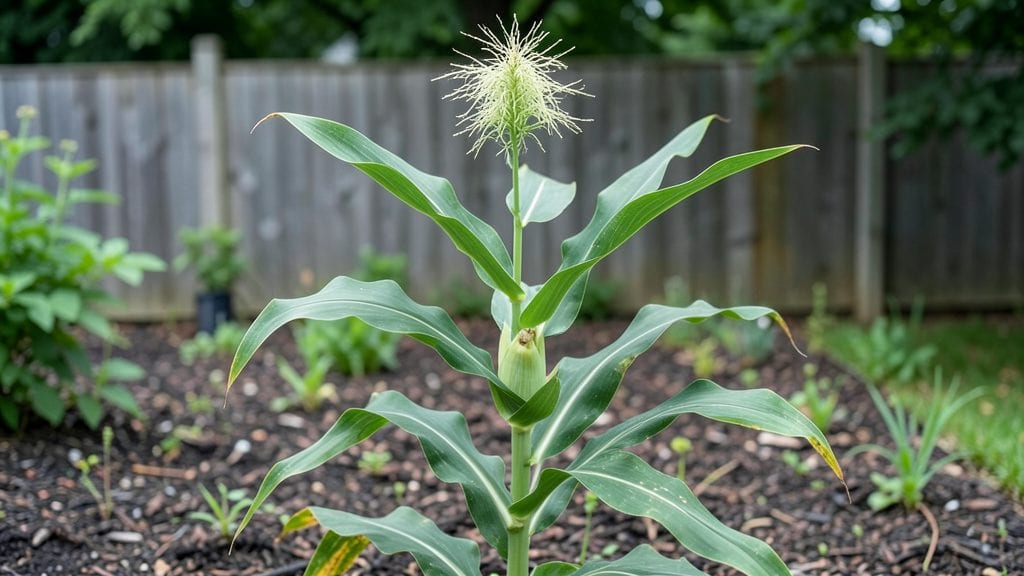
Growing stalk plants in a garden turns vertical space into a harvest goldmine. 🌱 I learned this the hard way—my first sunflowers leaned like drunkards until I realized they needed support and smart spacing.
The secret isn’t just planting; it’s engineering a system where every inch of air and soil works for you.
You’ll need sturdy trellises or cages (I use powder-coated metal for durability), rich soil mixed with compost, and a watering routine that keeps roots happy without drowning them. Most stalk plants—tomatoes, corn, even pole beans—thrive when given something to climb, which also keeps fruits off the ground and pest-free.
My 4x4-foot raised bed now grows 12 tomato plants where I once fit just 4.
By midseason, you’ll watch vines twist upward like nature’s ladders, each leaf basking in sunlight that would otherwise go wasted. The first ripe tomato plucked from a vine feels like winning the lottery—sweet, sun-warmed, and impossible to buy at the store.
The best part? You’ll double your harvest without doubling your footprint.
Works for apartments, balconies, or backyard corners—just adjust support structures to your space. Here’s how to make it happen without the usual gardening headaches.
📚 In This Guide
- What you need
- Instructions
- Tips and common mistakes
- Wrapping up and next steps
What you need
- ● Vertical Growing Structures: Trellis (3–6 ft tall, adjustable or modular) – 1–2 per section
- ● PVC pipe trellis (DIY-friendly, ½"–1" diameter) – 4–6 pipes (6–8 ft long)
- ● Cattle panel arches (for larger gardens) – 1–2 panels
- ● Soil & Fertilizer: Well-draining potting mix (or garden soil amended with compost) – 2–3 cubic feet per plant
- ● Balanced organic fertilizer (5-5-5 or 10-10-10) – 1–2 tbsp per plant at planting
- ○ Slow-release fertilizer (optional) – 1 cup per 5 sq ft
- ● Seeds or Seedlings: Stalk plant seeds (e.g., pole beans, sugar snap peas, or scarlet runner beans) – 5–10 seeds per trellis
- ● OR pre-grown seedlings (transplant after last frost) – 3–5 seedlings per trellis
- ● Support & Fasteners: Zip ties, garden twine, or soft plant clips – 5–10 per trellis
- ● Stakes or bamboo poles (for DIY trellises) – 2–4 per structure
- ● Drip irrigation kit (for consistent watering) – 1–2 per garden section
- ● Mulch (straw or shredded leaves) – 1–2 inches around base
- ● Plant markers (for labeling varieties) – 5–10 per garden
- ● Shade cloth (if growing in hot climates) – 30–50% coverage
- ● Compost tea (for a nutrient boost) – 1–2 applications mid-season
How to grow stalk plants vertically in a small garden
Small spaces don’t mean small harvests—here’s how to train tall plants upward for maximum yield.
🌱 Step 1: Select the Right Stalk Plants for Vertical Growth
Pick fast-growing, flexible-stemmed plants like pole beans, sugar snap peas, or trellised cucumbers. These thrive when guided upward instead of sprawling. Avoid heavy vining types like pumpkins—they’ll snap under their own weight. I always choose 4-6 plants per trellis to keep stems sturdy and prevent overcrowding.
Check seed packets for "pole" or "bush" varieties—pole types naturally climb. For example, Kentucky Wonder pole beans grow 8-10 feet tall but stay lightweight when supported. Start with 4 plants per trellis (like the 12-foot tall bamboo trellis we’ll use) to balance air circulation and sunlight access.
🪴 Step 2: Install Sturdy Trellises and Support Structures
Use a 12-foot tall bamboo trellis or a metal A-frame trellis for maximum height and stability. Drive 4 wooden stakes into the ground at 3-foot intervals along the trellis line, then tie the trellis securely with zip ties or garden twine at the top and midway. This prevents wobbling when plants are heavy with pods or fruit.
For cucumbers or melons, add horizontal crossbars every 2 feet to create a ladder-like structure. This gives vines multiple points to anchor and reduces stress on individual stems. I always pre-assemble the trellis before planting—it’s easier to position than to wrestle with it later when plants are established.
💧 Step 3: Plant and Train Vines Early for Strong Growth
Sow seeds 1 inch deep at the base of the trellis, spacing them 4-6 inches apart in a line parallel to the support. Water deeply right after planting to settle the soil and encourage root growth. Within 7-10 days, when seedlings reach 3-4 inches tall, gently tie the main stem to the trellis with soft plant ties or old fabric strips—never wire or anything that can cut into the stem.
Here’s the thing—don’t wait too long to train. If you let vines sprawl before guiding them, they’ll develop weak, woody stems that break easily. Check plants every 3-4 days and guide new growth upward. For cucumbers, wrap the vine around the trellis in a spiral pattern to distribute weight evenly.
✂️ Step 4: Prune and Maintain for Maximum Vertical Yield
Once vines reach the top of the trellis, prune the tips of the main stem to encourage bushier side growth. This creates more harvest points without overloading the structure. For pole beans, I pinch off the top 2 inches of the main stem when it hits 8 feet tall—this triggers lateral branches that produce more pods.
Watch for overcrowded vines competing for sunlight. If two stems grow too close, gently weave one through the trellis and trim the weaker stem at the base. Also, remove any flowers or pods growing below the first 3 feet of the trellis—this directs the plant’s energy upward where it’s needed most.
☀️ Step 5: Adjust Care for Seasonal Vertical Growth
During peak summer heat, increase watering to 1 gallon per plant every 2 days—drought stress makes vines brittle and prone to snapping. Mulch the base with 2 inches of straw to retain moisture and keep roots cool. In late summer, reduce water slightly to 1 gallon every 3 days to harden off vines before harvest.
If your trellis sways in wind, add diagonal supports between stakes and trellis. I’ve seen 10-foot tall cucumber vines topple entire structures in a storm—better to reinforce now than lose your harvest. Also, rotate the trellis 90 degrees every 2 weeks so all sides get even sun exposure, preventing lopsided growth.
Tips & tricks for perfect vertical garden growth
A few key strategies will help you maximize your small-space harvest and avoid common vertical gardening pitfalls.
Plant Selection Strategy: Don't just grab any seeds—focus on varieties specifically bred for vertical growth. Kentucky Wonder pole beans are my go-to because they grow 8-10 feet tall while staying lightweight enough for trellises. For cucumbers, look for bush varieties like 'Bush Champion' that naturally produce compact vines. I've learned the hard way that sprawling varieties like zucchini won't work—they'll snap under their own weight no matter how sturdy your trellis.
Trellis Stability Tip: The 12-foot bamboo trellis mentioned in Step 2 needs proper anchoring to prevent wobbling. I recommend driving your 4 wooden stakes at least 12 inches deep and adding diagonal supports between stakes and trellis before planting. For extra security, especially in windy areas, use 3 stakes instead of 4—position them in a triangular pattern around the trellis base. This creates a more stable foundation that can handle heavy vines.
Training Timing Secret: Those 7-10 days before training your seedlings in Step 3 are critical. You want roots established but stems still flexible. I check seedlings daily starting at day 5—if they're already 4 inches tall, gently tie them immediately. The key is to use soft plant ties that won't cut into stems as they grow. For cucumbers, I've found that wrapping vines in a spiral pattern around the trellis creates natural handholds that prevent slipping as the plant matures.
Pruning Precision: When pruning your 8-foot tall pole beans in Step 4, aim to remove just the top 2 inches of the main stem. This triggers lateral branches that produce more pods without overloading the trellis. I always make my cuts at a 45-degree angle just above a leaf node to promote faster regrowth. For cucumbers, remove any flowers growing below the first 3 feet—this directs the plant's energy to fruit production higher up where it's easier to harvest.
Pro Tips for Stalk Plants Grow A Garden
- A few key strategies will help you maximize your small-space harvest and avoid common vertical gardening pitfalls.
- Plant Selection Strategy: Don't just grab any seeds—focus on varieties specifically bred for vertical growth.
- Trellis Stability Tip: The 12-foot bamboo trellis mentioned in Step 2 needs proper anchoring to prevent wobbling.
Frequently asked questions
Got questions about growing stalk plants vertically? You’re not alone! Here are some of the most common queries—and their easy, actionable answers—to help you maximize your small garden’s potential.
What are the best stalk plants for beginners?
Start with easy-to-grow stalks like pole beans, sugar snap peas, or cucumbers. These thrive on trellises, require minimal space, and produce bountiful harvests. Malabar spinach and yard-long beans are also great for tropical climates!
How long does it take for stalk plants to climb?
Most stalk plants begin climbing within 2–4 weeks of planting, but speed depends on the variety. Provide a sturdy trellis or support immediately—even if the plant is tiny—to encourage upward growth. Pole beans often reach 6+ feet in a season!
Can I grow stalk plants without a trellis?
Yes! Use cages, stakes, or even fences as alternatives. For dense growers like cucumbers, try a spiral trellis or A-frame structure. Just ensure supports are at least 4–6 feet tall to avoid sprawling vines.
Why are my stalk plants wilting or drooping?
Wilt often signals underwatering, overcrowding, or poor support. Check soil moisture (keep it consistently damp), prune nearby plants for airflow, and reinforce trellises. Morning watering prevents fungal issues too!
How do I maximize vertical space in a tiny garden?
Layer plants by height: Tall stalks (cucumbers, pole beans) go at the back, medium (peas, Malabar spinach) in the middle, and low growers (lettuce, herbs) at the front. Use wall-mounted planters or hanging pockets for extra real estate!
Wrapping up and next steps
Growing stalk plants vertically is a game-changer for small gardens—maximizing space, boosting yields, and creating a lush, organized harvest! 🌱 Whether you're cultivating corn, sunflowers, or pole beans, these hacks prove that big results don’t need big plots.
With the right setup, patience, and a dash of creativity, you’ll soon be reaping the rewards of a thriving vertical garden.
Ready to transform your space? Start small—pick one plant to experiment with, gather your supplies, and watch your garden grow upward. Happy planting! 🌿