
Tools
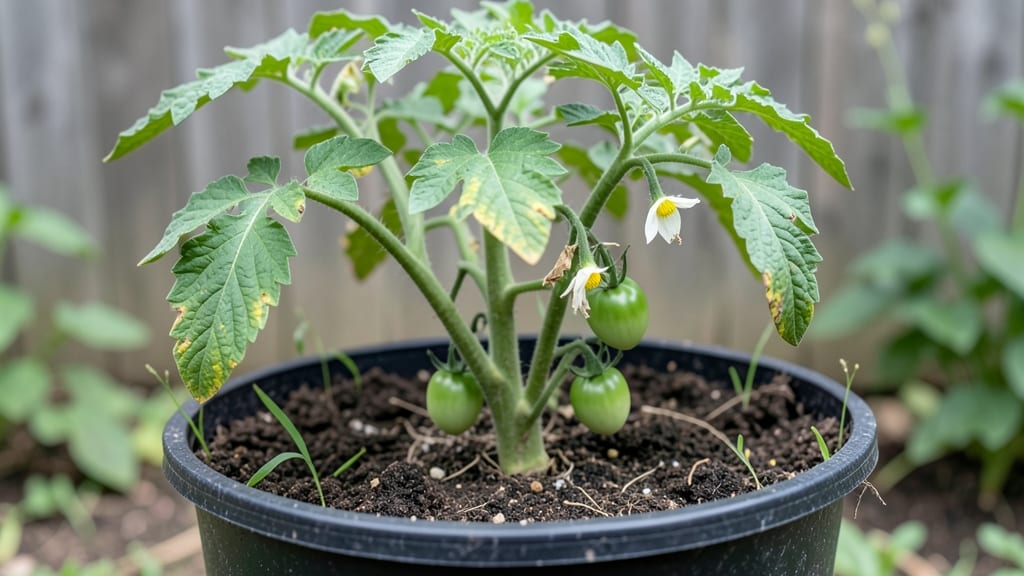
Taking the right steps for gardening can turn even a small patch of dirt into a lush, productive space—no matter your experience level.
Transforming a patch of land into a thriving garden doesn’t require a green thumb—just a clear plan and these proven gardening steps that even beginners can master. Whether you’re dreaming of a vegetable patch or a burst of colorful flowers, the key lies in breaking the process into simple stages.
From testing your soil to choosing the perfect plants for your Zone 6a climate, every step builds on the last. You’ll learn how to prep the ground, plant with confidence, and keep your 🌱 General Gardening thriving with minimal effort.
By the end, you’ll have a step-by-step roadmap that makes gardening feel effortless—no guesswork, no wasted time, just results you can be proud of.
12 Essential gardening steps for beginners to follow
Starting a garden can feel overwhelming, but breaking it down into 12 clear steps makes it manageable. Whether you're growing vegetables, flowers, or herbs, this chronological guide ensures you start strong and avoid common beginner mistakes.
I’ve gardened for over a decade, and these steps are the foundation I teach every new gardener.
From selecting the perfect spot to seasonal maintenance, each stage builds on the last. The key is patience—rushing through steps like soil preparation or plant spacing can lead to poor growth.
Think of your garden like a recipe: precise measurements and timing matter. Let’s dive into the first critical phase: planning and preparation.
Your 12-Step Gardening Blueprint
Select a spot with 6+ hours of sunlight (adjust for shade plants). Avoid low-lying areas where water pools.
Use a soil test kit to check pH (aim for 6.0–7.0). Amend with compost or aged manure for nutrients.
Sketch a garden map with plant sizes and sunlight needs. Group plants with similar water needs together.
Loosen soil to 12 inches deep with a fork. Mix in organic matter like compost or peat moss.
Pick beginner-friendly plants like lettuce, marigolds, or basil. Check your last frost date for timing.
Follow seed packet depth guidelines. For transplants, dig holes twice as wide as the root ball.
Water deeply in the morning to encourage root growth. Avoid wetting leaves to prevent fungal diseases.
Spread 2–4 inches of mulch (straw, wood chips) to retain moisture and suppress weeds.
Use a balanced fertilizer (10-10-10) every 4–6 weeks during the growing season.
Inspect plants weekly for aphids, caterpillars, or disease signs. Use neem oil or soapy water for mild infestations.
Critical mistakes to avoid in each gardening stage
Even the most enthusiastic gardeners can fall into common traps that stifle plant growth or invite pests. I’ve learned the hard way that skipping soil tests or ignoring seasonal cues can turn a promising garden into a struggle.
The key is recognizing these mistakes early—whether it’s overwatering seedlings or planting too late in the season.
Let’s tackle the most frequent errors at each stage, from soil prep to harvest, so you can avoid them in your own garden. Small adjustments can mean the difference between wilted leaves and a lush, productive plot.
I’ll share my top fixes for each pitfall, including quick tests and tools to keep your garden thriving.
⚠️ Common Gardening Mistakes & How to Fix Them
- Soil Prep: Forgetting to test soil pH (ideal: 6.0–7.0 for most plants). Fix: Use a soil test kit ($10) before planting.
- Planting: Incorrect spacing causes competition. Fix: Check seed packets for plant spacing guidelines (e.g., 12" for tomatoes).
- Watering: Overwatering leads to root rot. Fix: Water deeply 2–3x/week (morning only) and check soil moisture.
- Fertilizing: Over-fertilizing burns roots. Fix: Use a balanced 10-10-10 fertilizer sparingly (every 4–6 weeks).
- Seasonal: Planting too early/late risks frost damage. Fix: Wait until after last frost (check your USDA zone).
One of the biggest mistakes I see is neglecting mulch. Without it, soil dries out faster, weeds take over, and temperature swings stress plants.
A 2–3 inch layer of organic mulch (like straw or wood chips) retains moisture, suppresses weeds, and regulates soil temperature—all while breaking down to enrich the soil over time.
Another critical error is planting without companion plants. For example, pairing basil with tomatoes repels pests naturally, while marigolds deter nematodes. I always research companion planting charts before laying out my garden to maximize yields and minimize chemical interventions. Even a small plot benefits from this strategy!
Timing is everything when it comes to pruning and harvesting. Pruning at the wrong time—like cutting back perennials in fall—can leave them vulnerable to winter damage. Instead, prune early spring (just as new growth appears) for flowers and late winter for shrubs.
For harvesting, always pick in the morning when flavors are peak and plants are hydrated.
Finally, don’t overlook pest prevention. I used to reach for chemical sprays at the first sign of aphids, but now I rely on neem oil or introducing ladybugs to my garden.
These natural solutions are safer for pollinators and won’t harm your plants if used correctly. A little prevention goes a long way in keeping your garden healthy and vibrant.