
Tools
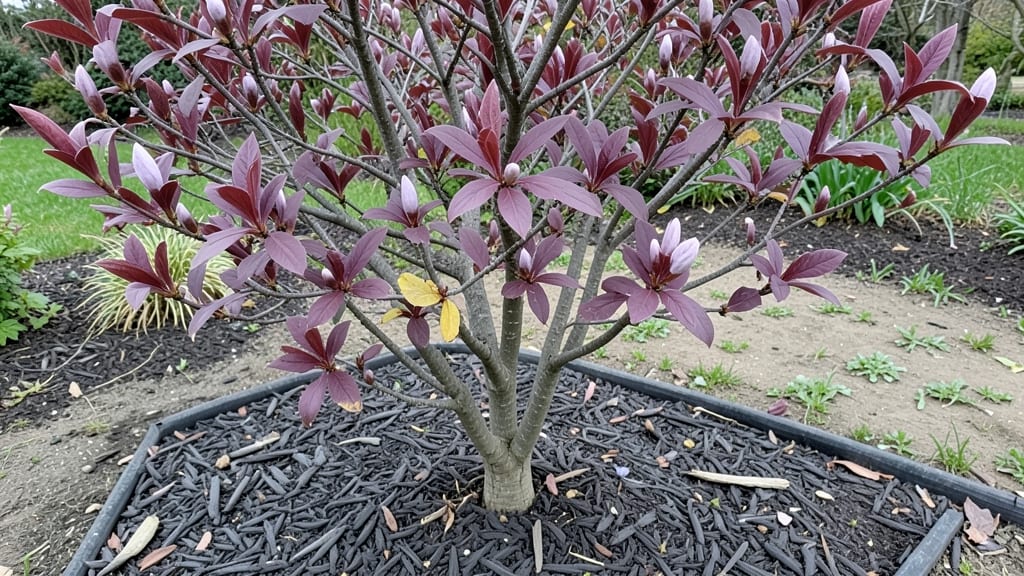
A tree garden bed turns wasted vertical space into a lush, layered harvest hub that works year-round—no matter how small your yard.
I built mine along a fence line where nothing grew before, and now it’s packed with fruit trees, berry bushes, and shade-loving perennials that all thrive in the same footprint.
The key isn’t just planting trees; it’s designing the layers around them so every inch produces something, from spring blooms to winter greens.
The magic happens in the three-tier system: tall trees at the back (like dwarf apples or peaches) cast perfect dappled shade for mid-height shrubs (currants, gooseberries), while ground covers (strawberries, thyme, or creeping phlox) spill over the edges.
My setup uses raised beds to keep roots healthy in clay soil, but even in-ground works if you amend the top 12 inches with compost. The best part? You can tweak the theme—think woodland vibes with dogwoods and ferns, or a fruit orchard in a single bed.
By summer, you’ll be harvesting fresh peaches one week and snipping thyme for burgers the next, all from the same 10x4-foot bed that used to be bare dirt. The trees provide privacy, the shrubs give structure, and the ground layer keeps weeds at bay while adding texture.
Plus, pollinators go crazy for the flowers—my hummingbirds now have a year-round buffet. Ready to turn that empty corner into a four-season powerhouse?
Works for urban backyards, rural homesteads, or even large containers—just adjust the scale. The only rule? Start with what you love to eat, then layer in the rest. Here’s how to map it out without overcomplicating things.
📚 In This Guide
- What you need
- Instructions
- Tips and common mistakes
- Wrapping up and next steps
What you need
- ● Tree or large shrub (1-3 plants): Dwarf fruit trees (e.g., apple, pear, or citrus) or ornamental trees like fig or olive
- ● Size: 3-6 feet tall (mature height), depending on space
- ● Soil & amendments: 50 lbs high-quality garden soil (or potting mix for containers)
- ● 20 lbs compost (for nutrient-rich layers)
- ● 10 lbs perlite or vermiculite (for drainage)
- ● Support structures: Trellis or wire mesh (6x6 ft for climbing plants)
- ● Stakes or bamboo poles (for young trees)
- ● Tools: Shovel or trowel
- ● Pruners (sterilized)
- ● Measuring tape
- ● Gloves (gardening or work gloves)
- ● Mulch: 2-3 inches of wood chips or straw to retain moisture
- ● Drip irrigation kit: For consistent watering (especially in dry climates)
- ● Slow-release fertilizer: 10-10-10 or organic options like worm castings
- ● Companion plants: Herbs (basil, thyme) for pollinators
- ● Flowers (marigolds, nasturtiums) for pest control
- ● Decorative elements: Rocks, mulch rings, or solar-powered lights for ambiance
Step-by-Step instructions for designing a tree garden bed
Here's how to create a functional, space-saving vertical garden that maximizes harvests year-round.
Choose the Right Location and Tree
Select a tree with a sturdy trunk and wide-spreading branches—apple, pear, or fig trees work beautifully. The location should receive at least 6-8 hours of sunlight daily, with protection from strong winds that could damage the structure. I always check the tree's mature height and spread to ensure it fits your space without overcrowding nearby plants.
Before planting, examine the soil around the tree's base. You'll want well-draining soil with a pH between 6.0 and 7.0 for most fruit trees. If the soil is compacted or heavy, amend it with 2-3 inches of compost mixed into the top 12 inches of soil. This improves root growth and supports the vertical layers you'll add later.
Build the Vertical Support Structure
Construct a sturdy frame around the tree using 2x4 lumber or metal cages designed for tree grafting. For a 4-foot-tall bed, space horizontal supports 12 inches apart vertically. Secure them to the tree trunk with tree-friendly straps or brackets that won't damage the bark as the tree grows.
Line the frame with landscape fabric to prevent soil from spilling through gaps while allowing water to drain. This fabric also keeps weeds from climbing into your vertical layers. I like to leave 6-8 inches of fabric extending beyond the frame to tuck into the surrounding soil, creating a clean barrier.
Layer the Garden Bed with Plants
Start with the top layer—this is where you'll place fast-growing annuals like strawberries or lettuce. Use a lightweight potting mix (not garden soil) to fill the top 6-inch layer of the frame. Plant these shallow-rooted crops 4-6 inches apart, ensuring they get enough sunlight to thrive.
For the middle layer, add perennial herbs or bush beans that can tolerate slightly more shade. Fill this 8-inch layer with a mix of potting soil and compost to retain moisture while allowing drainage. Space these plants 8-12 inches apart, depending on their mature size. I always include a few climbing plants like cucumbers or peas here—they’ll use the vertical space efficiently.
Add Mulch and Watering Solutions
Cover the top of the bed with 2-3 inches of mulch to retain moisture and suppress weeds. Use wood chips or straw, but avoid mulch that piles directly against the tree trunk—keep it 6 inches away to prevent rot. Install a drip irrigation system along the top edge of the frame to water all layers evenly without disturbing the soil.
Water deeply 2-3 times per week, depending on rainfall, until the top 2 inches of soil feel moist. The vertical design means water drains quickly, so consistency is key. I set my irrigation timer for 10-15 minutes per session to ensure everything gets soaked without wasting water.
Maintain and Harvest Year-Round
Prune the tree annually to encourage airflow and sunlight penetration into the vertical layers. Remove any dead or diseased branches in late winter or early spring. For the garden bed, harvest top-layer crops every 2-3 weeks to encourage continuous production. Replace annuals with cold-hardy varieties like kale or spinach in fall for winter harvests.
Monitor the bed for pests—aphids or spider mites can move between the tree and garden layers. Spray with neem oil or introduce beneficial insects like ladybugs to keep populations in check. With proper care, your tree garden bed will produce fresh fruits, herbs, and vegetables for years, all while maximizing your outdoor space.
Tips & tricks for perfect tree garden beds
A few clever strategies will help you maximize space, extend harvests, and keep your vertical garden thriving for years.
Sunlight Strategy: In Step 1, when selecting your location, prioritize the 6-8 hours of sunlight requirement by observing the sun's path throughout the day. The top layer of your vertical garden gets the most light, so place your sun-loving annuals like strawberries there. For the middle layer, choose shade-tolerant herbs or bush beans that can thrive with slightly less direct sunlight. If your tree creates shade, consider positioning the garden bed on the south or west side of the tree to capture reflected light.
Soil Layering Tip: When building your layers in Step 3, use a lightweight potting mix for the top 6-inch layer and a potting soil-compost mix for the middle 8-inch layer. The difference in texture helps prevent compaction and allows water to drain properly between layers. I like to add a thin layer of perlite to the top layer to improve aeration for those shallow-rooted annuals.
Watering Wisdom: The 10-15 minute irrigation sessions in Step 4 are designed to penetrate all layers, but timing matters. Water in the early morning to reduce evaporation and give plants time to absorb moisture before the heat of the day. If you notice water running straight through to the bottom layer, reduce the time slightly—you want the top 2 inches to feel moist, not soaked.
Pest Prevention: In Step 5, when monitoring for pests, focus on the junctions between the tree and garden layers where aphids and spider mites often bridge. Introduce ladybugs at the first sign of trouble—they're natural predators that will keep populations in check without chemicals. I also like to spray neem oil every 2-3 weeks as a preventive measure, especially during warm weather when pests are most active.
Pro Tips for Tree Garden Bed
- A few clever strategies will help you maximize space, extend harvests, and keep your vertical garden thriving for years.
- Sunlight Strategy: In Step 1, when selecting your location, prioritize the 6-8 hours of sunlight requirement by observing the sun's path throughout the day.
- Soil Layering Tip: When building your layers in Step 3, use a lightweight potting mix for the top 6-inch layer and a potting soil-compost mix for the middle 8-inch layer.
Frequently asked questions
Got questions about creating or maintaining a tree garden bed?
Here are some of the most common ones—plus straightforward answers to help you grow with confidence!
What’s the best time of year to plant a tree garden bed?
The ideal time depends on your climate, but early spring or fall (when soil is workable but not frozen) is best for most regions. In warmer climates, winter planting can work too—just ensure trees get enough water. Avoid planting during extreme heat or drought stress!
How deep should the soil layers be in a tree garden bed?
Aim for at least 12–18 inches of soil depth for roots to thrive. Layer compost, topsoil, and organic matter (like leaf mold or coconut coir) to create a nutrient-rich environment. Deeper layers (24+ inches) support larger trees or fruit-bearing varieties.
What if my tree garden bed isn’t producing as expected?
Check these first:
- Sunlight: Most trees need 6+ hours of direct sun daily.
- Watering: Keep soil consistently moist (not soggy) during dry spells.
- Soil pH: Test it—most fruit/nut trees prefer 6.0–7.0.
- Pests/disease: Inspect leaves/stems for signs (e.g., holes, mold).
Can I use a tree garden bed in small spaces or containers?
Dwarf or columnar tree varieties (like apple ‘Columnar’ or fig ‘Little Miss Figgy’) thrive in large containers (15+ gallons). Ensure containers have drainage holes and use lightweight potting mix. Just monitor watering—containers dry out faster!
How often should I prune or maintain a tree garden bed?
Prune once a year (late winter/early spring) to shape trees and remove dead branches. Light trimming after harvest can encourage new growth. Mulch annually (2–4 inches) to retain moisture and suppress weeds. Avoid heavy pruning in fall—it stresses trees before winter.
Pro Tip:
For year-round harvests, mix fast-growing (e.g., herbs, leafy greens) with slow-growing (e.g., fruit trees) layers. Use vertical space with trellises or espalier techniques to maximize yields!
Wrapping up and next steps
Creating a tree garden bed is a game-changer for small spaces, offering year-round harvests with minimal footprint. By stacking plants vertically—from root crops to leafy greens—you maximize yield while keeping maintenance simple.
Whether you’re a seasoned gardener or just starting, this method proves that big results come in small packages!
Ready to transform your outdoor—or even indoor—space? Start small: pick one tree (like a fruit or citrus) and layer in companion plants. Watch your garden grow—literally and deliciously! 🌱🍓