
Vegetables
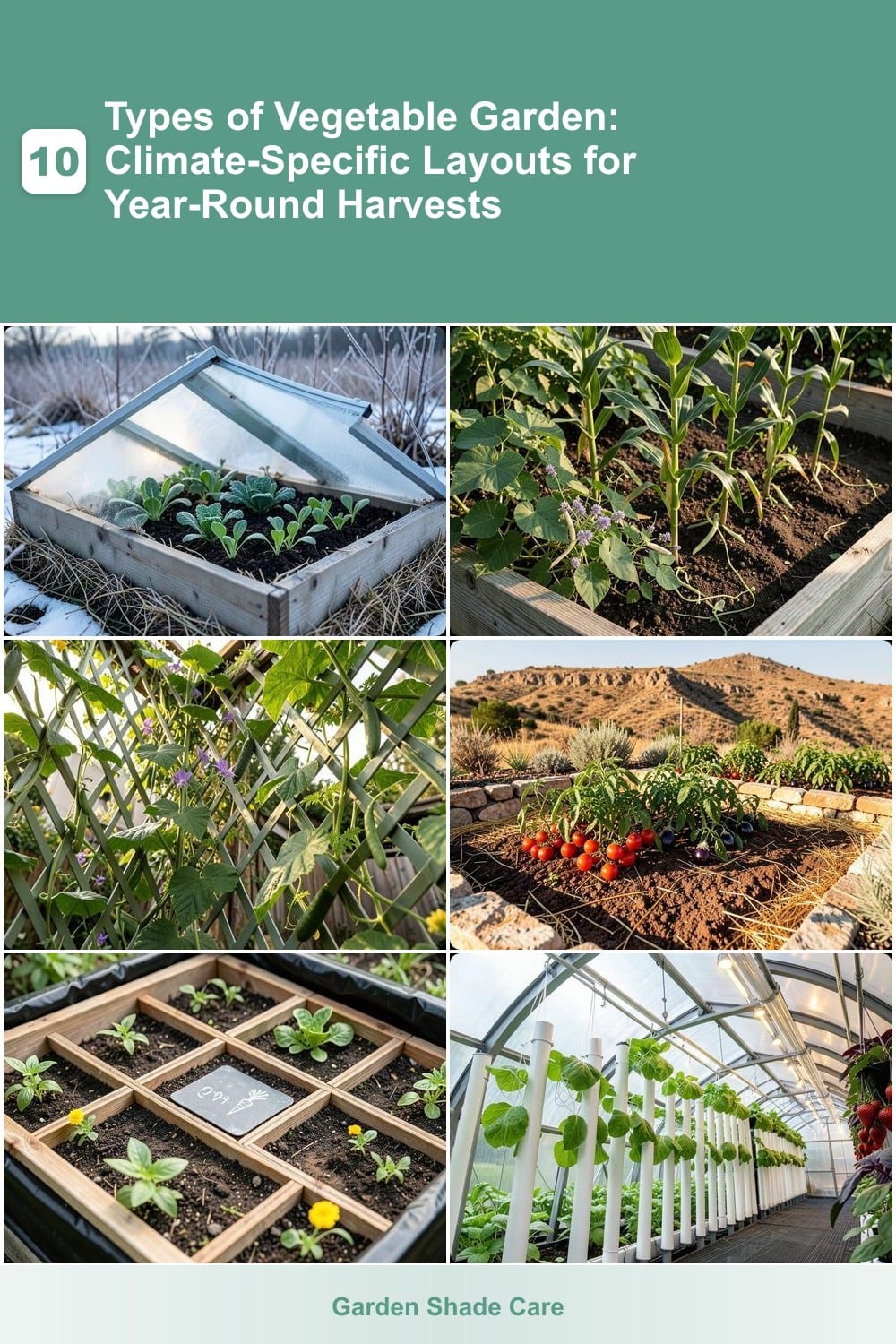
Want a thriving vegetable garden that adapts to your climate? These 10 climate-specific layouts maximize harvests year-round, from cold-hardy northern gardens to tropical heat-tolerant plots. Each design optimizes space, sunlight, and seasonal growing cycles for peak productivity.
Cold Frame Vegetable Garden
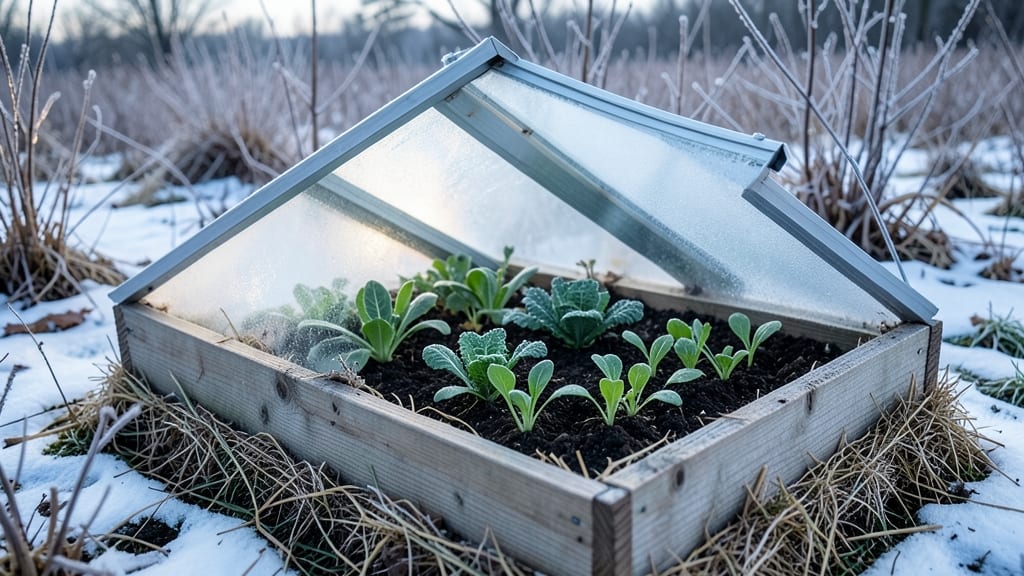
If you live in Zone 3-5 where summers are short and winters are long, a cold frame vegetable garden could be your secret weapon for year-round harvests. This simple, low-cost structure traps sunlight during the day and releases it slowly at night, creating a microclimate that can extend your growing season by 4-6 weeks in spring and fall.
Build one using repurposed windows, glass panes, or even old aquariums set over a wooden frame—just ensure it’s slightly angled to allow rainwater runoff. Plant hardy greens like spinach, kale, and lettuce in early spring or late summer for harvests when other gardens are dormant. A 3-4 inch layer of straw mulch inside will insulate roots and retain moisture, while leaving a small vent open on warm days prevents overheating.
This method is perfect for beginner gardeners with limited space or those in colder climates craving fresh produce. With minimal upkeep, you’ll enjoy early spring radishes and winter-hardy arugula—proof that cold climates don’t mean cold harvests! 🌱
Three Sisters Raised Bed
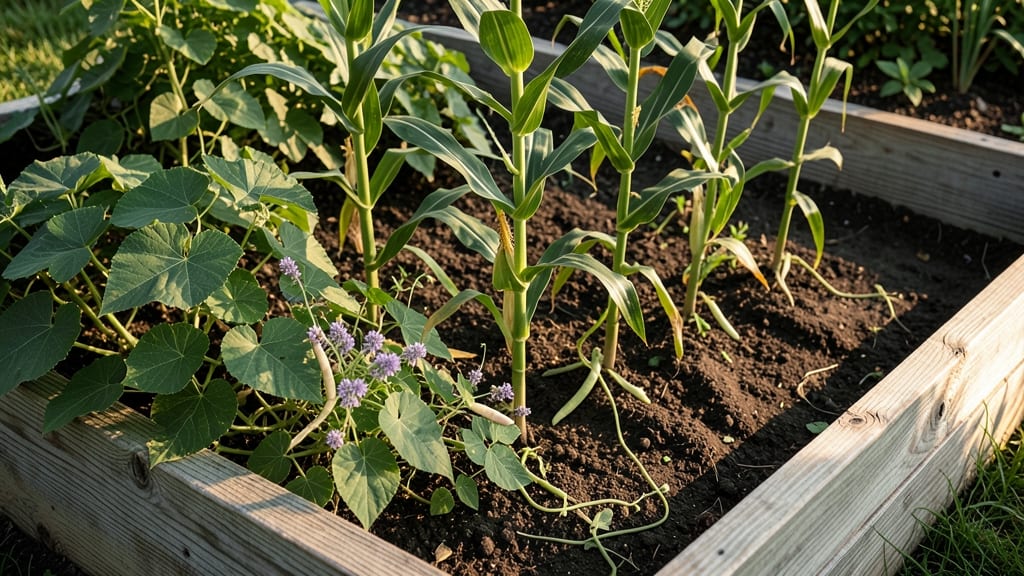
Looking for a garden that thrives with minimal intervention while feeding your soil and repelling pests? The Three Sisters Raised Bed combines corn, beans, and squash in a time-honored Native American technique that works like magic in Zones 5-8. This method creates a self-sustaining ecosystem where each plant supports the others—beans climb corn stalks, squash vines shade the soil, and corn provides structure while all three improve soil fertility naturally.
Start by mounding compost-rich soil into three hills spaced 3 feet apart. Plant corn in the center of each hill, followed by pole beans around the base, and summer squash at the edges. The beans fix nitrogen in the soil, eliminating the need for synthetic fertilizers, while the squash vines deter weeds and pests. This layout also maximizes space efficiency, making it ideal for small gardens or urban plots.
Perfect for organic gardeners who want to reduce work and waste, this method turns your raised bed into a low-maintenance, high-yield powerhouse that honors tradition while delivering abundant harvests. 🌱
Vertical Trellis Garden
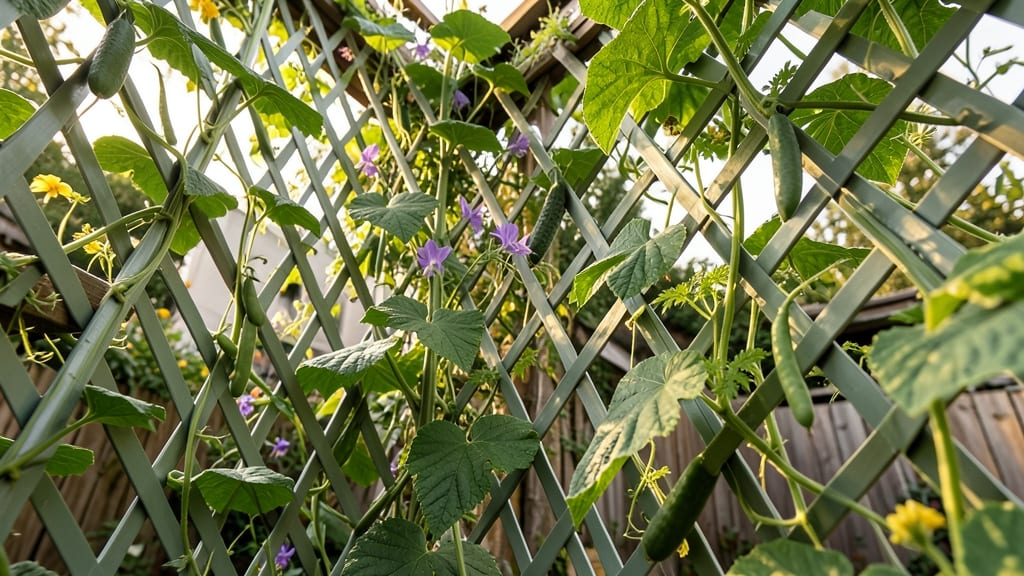
Turn your tiny balcony or crowded backyard into a high-yield garden with a vertical trellis system—perfect for urban gardeners in Zones 6-10 who want to grow more without taking up more space. This method transforms sprawling vines like cucumbers, peas, and pole beans into vertical powerhouses, freeing up precious ground for other crops.
Start with a sturdy A-frame trellis or vertical lattice panel (DIY with PVC pipes or buy pre-made kits) and plant seeds directly into the soil at the base. For cucumbers, train vines upward with soft twine, while peas and beans will naturally cling to the structure as they grow. Prune regularly to encourage upward growth and improve airflow, reducing disease risk. A single 4-foot trellis can produce 2-3 times more cucumbers than the same space planted flat!
This system is ideal for renters, rooftop gardeners, or anyone with limited square footage. Plus, the vertical greenery adds a lush, modern aesthetic to your space while maximizing your harvest potential. 🌱
Dry Farming Mediterranean Garden
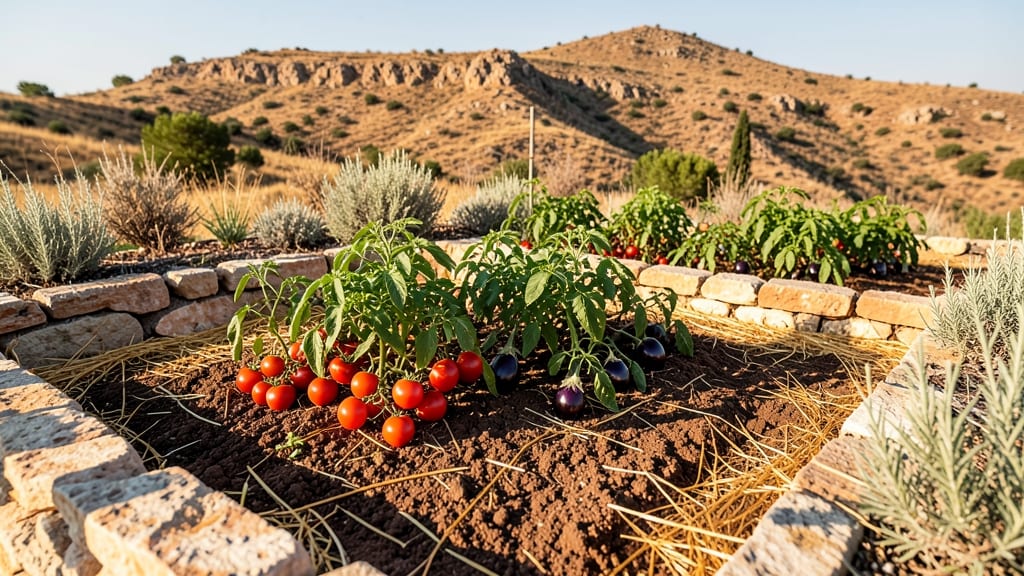
If you live in a hot, dry climate where water is precious, a Mediterranean-style dry farming garden could be your answer—producing abundant tomatoes, peppers, and eggplants with almost no irrigation after establishment. This ancient technique relies on deep soil moisture retention and strategic plant spacing to thrive in Zones 7-10 without wasteful watering.
Start by amending your soil with compost and organic matter to improve water retention, then apply a 6-inch layer of straw or wood chips as mulch. Plant heat-loving crops like cherry tomatoes, banana peppers, and Italian eggplants in wide rows (2-3 feet apart) to maximize shade and reduce evaporation. Water deeply once every 10-14 days during the growing season—once roots establish, they’ll tap into moisture deep underground.
This method is perfect for gardeners in arid regions who want to cut water bills while still enjoying a bountiful harvest. Plus, the rustic charm of terracotta pots and stone pathways fits seamlessly into a low-maintenance, high-reward garden. 🌻
Square Foot Gardening Grid
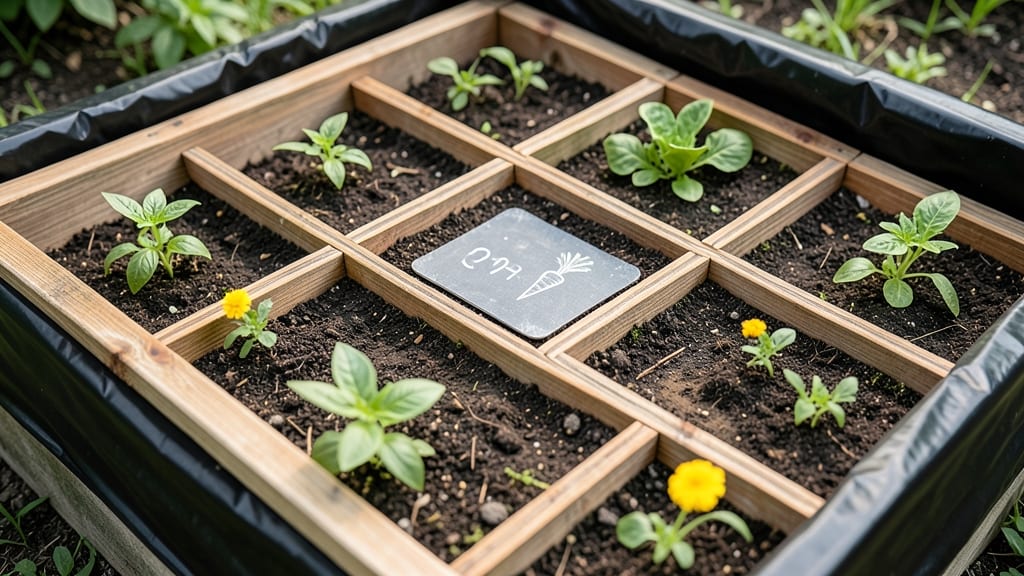
Tired of wasted space and confusing garden layouts? The square foot gardening grid transforms even a small plot into a high-yield, organized system where every inch counts. This method divides your bed into a 1-foot-by-1-foot grid, letting you plant the perfect number of seeds or seedlings per square—no guesswork, no overcrowding.
Start by building a 4x4-foot raised bed (or larger) and mark it with string or wood stakes. Use a square foot gardening chart to determine how many plants fit per square—16 carrots, 1 lettuce, or 9 radishes in a single square, for example. Mix fast growers like radishes with slower ones like onions to maximize harvests. Add compost-rich soil and mulch to retain moisture, and you’ll enjoy continuous harvests with minimal weeding.
This system is a game-changer for beginners in Zones 4-9, offering a foolproof way to grow more in less space while reducing water waste. Whether you’re working with a balcony container or a backyard plot, the grid keeps things simple and productive. 🌱
Greenhouse Hydroponic System
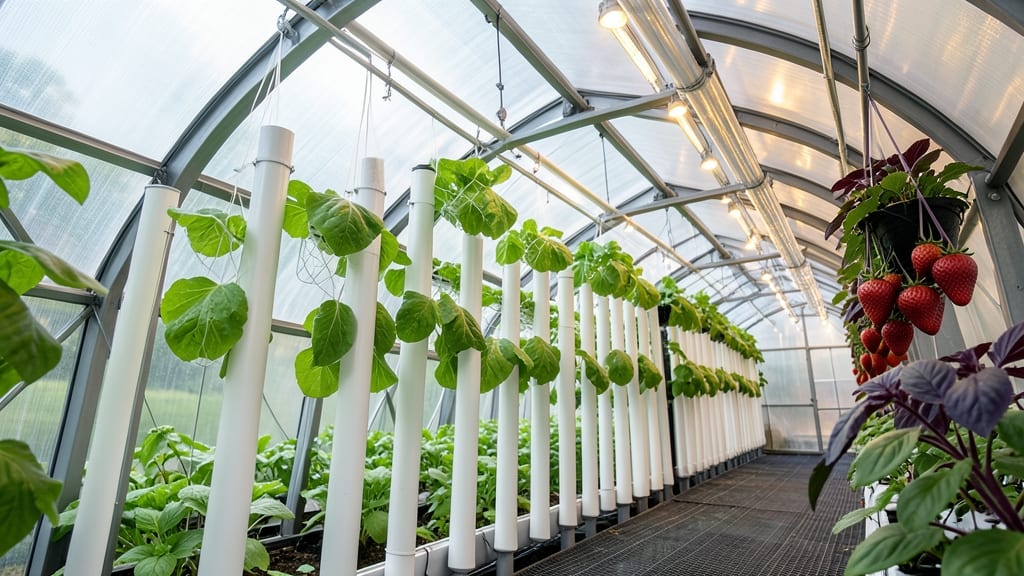
Forget seasonal limitations—with a greenhouse hydroponic system, you can grow fresh lettuce, basil, and strawberries year-round, even in Zones 2-11. This futuristic yet accessible method replaces soil with water-based nutrient solutions, delivering faster growth and higher yields in a fraction of the space. Whether you're an urban dweller with a balcony or a rural gardener craving off-season harvests, this setup lets you bypass frost and drought entirely.
Start with a small greenhouse kit (even a repurposed storage shed with plastic walls works) and add hydroponic towers or deep water culture channels filled with inert growing media like clay pebbles. Use a pre-mixed hydroponic nutrient solution (like General Hydroponics Flora Series) and maintain a pH of 5.5-6.5 for optimal uptake. Leafy greens like romaine and kale mature in just 3-4 weeks, while strawberries produce fruit continuously with proper lighting. Supplement with LED grow lights (12-16 hours/day) in winter to mimic sunlight.
This system is ideal for urban gardeners, apartment dwellers, or anyone tired of seasonal gaps—no dirt, no weeds, and no wasted water. With minimal space and consistent care, you’ll enjoy harvests every 4-6 weeks, regardless of the weather outside. 🌱
Succession Planting Row Garden
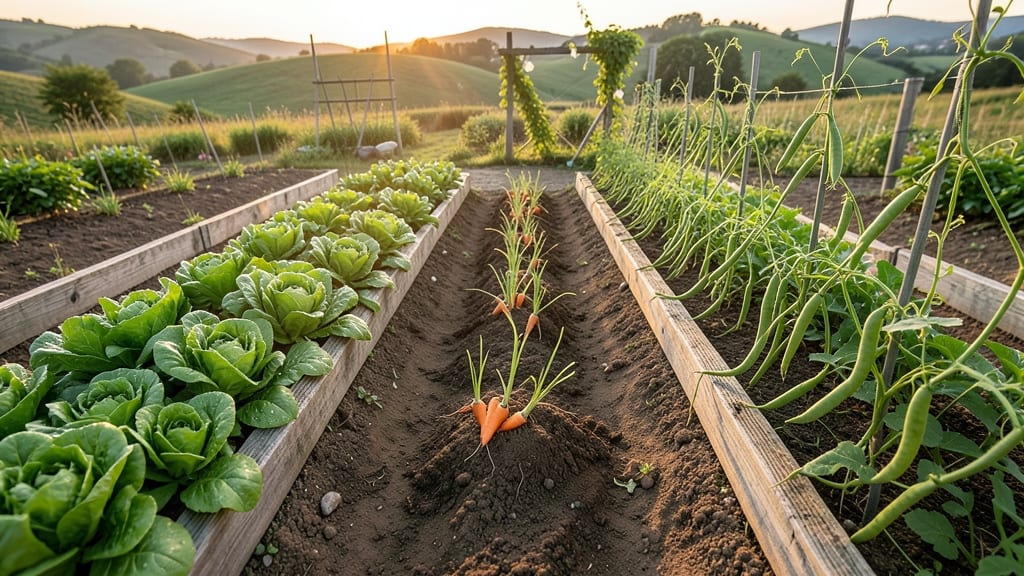
Tired of harvest gaps and empty garden rows? A succession planting row garden in Zones 5-9 ensures your kitchen table stays stocked with fresh carrots, beans, and lettuce all season long—no more waiting for one crop to finish before planting the next.
Here’s how it works: Divide your rows into sections and plant fast-maturing crops like lettuce every 2-3 weeks starting in early spring, followed by bush beans (60-day varieties) and short carrots (50-day types). Use drip irrigation to keep soil consistently moist, and mark planting dates on stakes to track rotations. This strategy lets you harvest lettuce every 3-4 weeks, beans every 6-8 weeks, and carrots every 7-9 weeks—eliminating the "hungry garden" phase.
Perfect for home gardeners in moderate climates who want to avoid store-bought veggies, this method turns your plot into a self-sustaining harvest machine. With just a little planning, you’ll enjoy year-round freshness without the stress. 🌱
Permaculture Food Forest
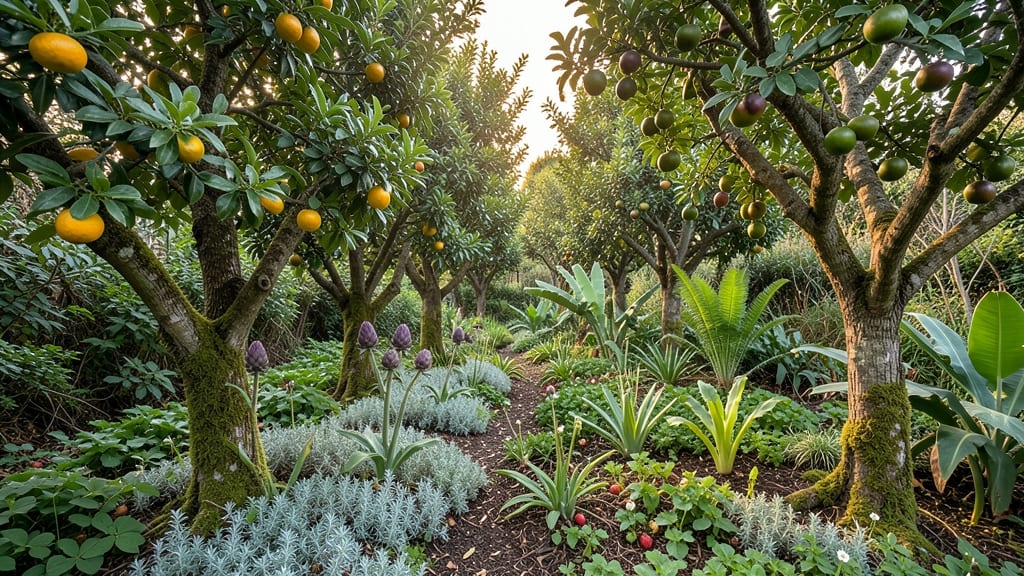
Imagine a garden that thrives with almost no effort—where fruit trees, perennial vegetables, and ground covers grow together in perfect harmony, just like a natural forest. A permaculture food forest is the answer for gardeners in Zones 9-11, offering a year-round supply of food with minimal maintenance.
This sustainable layout mimics the layers of a forest: tall trees like avocado or mango provide shade, mid-height plants such as banana or citrus offer fruit at waist level, and ground covers like sweet potatoes or yams thrive in the dappled sunlight. Plant nitrogen-fixing shrubs like pigeon peas between layers to enrich the soil naturally, while mulching with leaf litter or grass clippings keeps moisture locked in. Start small with 3-5 trees spaced 15-20 feet apart, then fill in with perennials and edible ground covers to create a self-sustaining ecosystem.
Perfect for those who want long-term abundance without the upkeep of annual planting, this design is ideal for homesteaders, eco-conscious gardeners, or anyone with a passion for sustainable living. Once established, it requires little more than seasonal pruning and occasional compost additions. 🌿
Container Garden Balcony
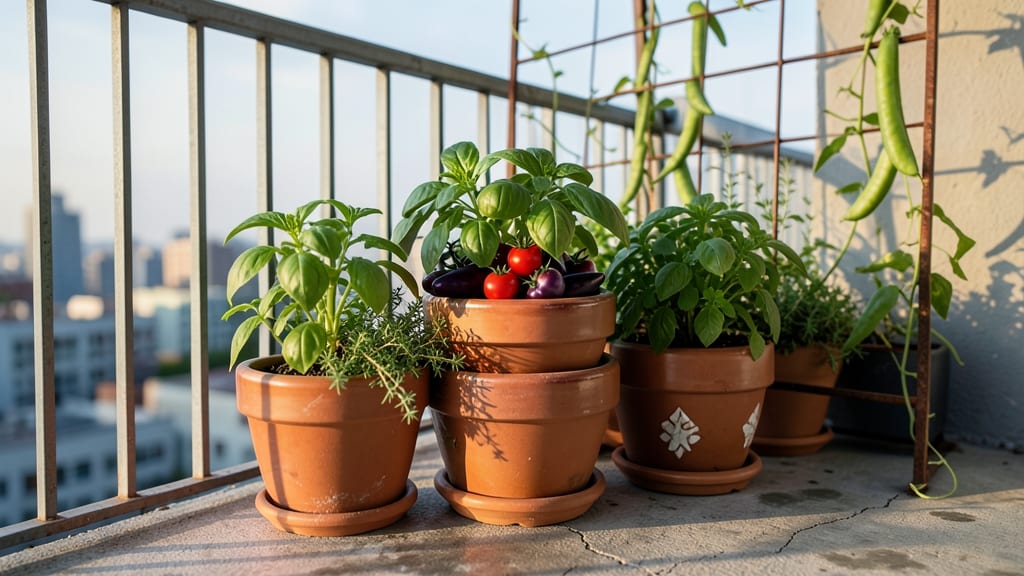
Renting an apartment or living in a tiny urban space doesn’t mean you have to miss out on fresh tomatoes, peppers, and herbs—container garden balconies turn even the smallest outdoor area into a thriving produce powerhouse across Zones 3-10. The secret lies in choosing the right pots and maximizing sunlight, whether you’re basking in full sun or working with partial shade.
Start with large containers (5+ gallons for tomatoes, 3+ gallons for peppers) and window boxes to ensure roots have room to grow. Self-watering pots with saucers prevent drought stress, while terracotta (for heat retention) or fabric grow bags (for airflow) work best depending on your climate. Place pots near south-facing windows or extend your balcony’s growing season with reflective surfaces like white paint or aluminum foil to bounce extra sunlight onto plants.
This setup is perfect for renters, city dwellers, or anyone with limited space who still want a bountiful harvest. With the right containers and a little creativity, you’ll enjoy homegrown basil for pesto, cherry tomatoes for salads, and peppers for stir-fries—all without needing a backyard. 🌿
High Tunnel Hoop House
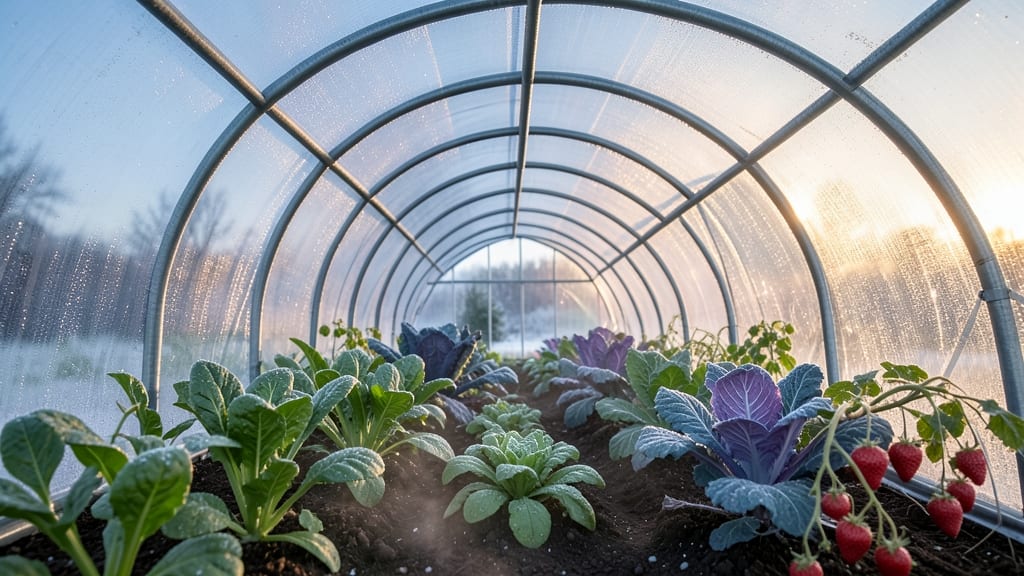
Want to grow fresh spinach, kale, and strawberries even when frost is on the ground? A high tunnel hoop house lets you extend your growing season in Zones 4-8 without the high costs of a full greenhouse. This simple, affordable structure uses clear plastic or polycarbonate panels stretched over a series of arched metal or PVC hoops, creating a protective bubble that traps heat while allowing sunlight to penetrate.
Set up your hoop house by anchoring wooden or metal posts at 6-8 foot intervals along your garden rows, then stretch the covering tightly and secure it with bungee cords or clips. Inside, plant cold-hardy crops like baby spinach, Swiss chard, and strawberries in early fall for winter harvests. A drip irrigation system keeps soil moist without disturbing the protective covering, while ventilation flaps prevent overheating on sunny days. With minimal heating (or none at all), you can harvest greens through winter and get an early spring jumpstart.
This method is perfect for small-scale farmers, homesteaders, or serious gardeners in cooler climates who want to maximize their harvest without the expense of a full greenhouse. Just add a row cover for extra insulation on the coldest nights, and you’ll enjoy year-round fresh produce with minimal effort. 🌟