
Planting
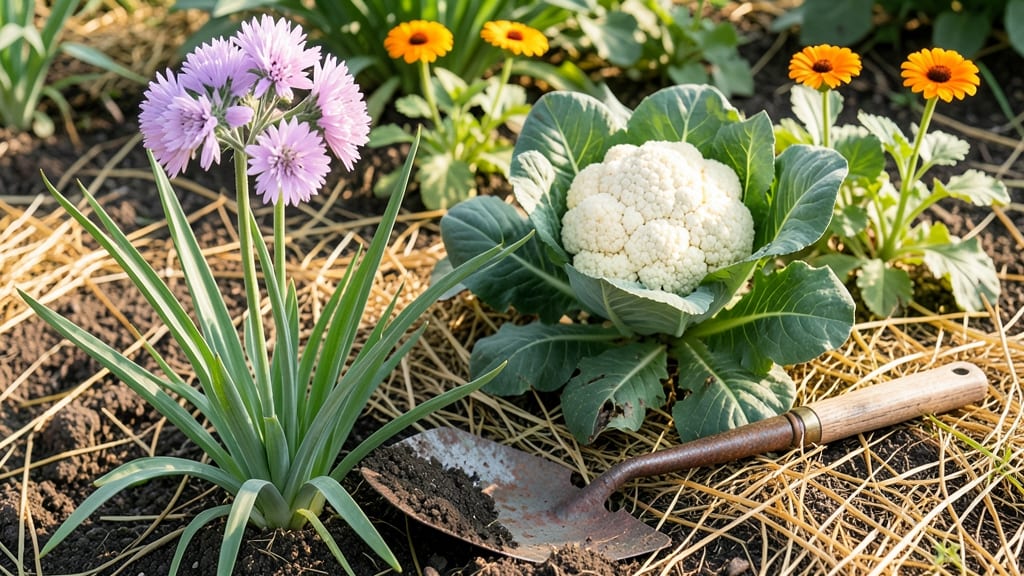
My vegetable garden companion planting guide comes from years of trial, error, and finally getting those stubborn pests to back off. The right neighbors for your plants aren’t just about aesthetics—they’re about survival.
I learned the hard way that planting tomatoes next to basil isn’t just tradition; it’s a pest-fighting powerhouse that keeps aphids away while boosting flavor. Science backs up these pairings, turning your garden into a self-regulating ecosystem where plants support each other instead of competing.
Here’s the game-changer: three simple rules make all the difference. First, pair plants with similar water needs to avoid stress—nothing kills a thriving garden like one plant drowning while another wilts. Second, mix plants that repel pests naturally, like marigolds with almost any vegetable.
Finally, avoid planting competitors like onions near beans—they’ll steal nutrients and leave you with stunted growth. With these basics, you’ll see healthier plants, fewer pests, and harvests that last all season.
Imagine your garden in late summer: tomatoes lush and disease-free because of the basil nearby, carrots growing straight and sweet because the onions kept pests away, and your herbs thriving without a single spray. The best part?
This isn’t just theory—it’s what happens when you arrange your plants the right way. You’ll spend less time battling bugs and more time enjoying the rewards of a garden that works with you, not against you.
Whether you’re working with a raised bed, in-ground rows, or containers, these pairings adapt easily. Start small with one or two proven combos, then expand as you see what thrives in your space.
The key is observation: notice which plants seem to help each other, and let that guide your next planting. Before you know it, your garden will be the talk of the neighborhood—and your taste buds will thank you.
📚 In This Guide
- What you need
- Instructions
- Tips and common mistakes
- Wrapping up and next steps
What you need
- ● Garden plot or containers: At least 100 sq ft of space (or 5–10 large pots, 12" deep, for container gardening).
- ● High-quality soil: 2–3 cubic yards of organic, well-draining soil (or potting mix for containers). Test pH (aim for 6.0–7.0).
- ● Compost: 1–2 bags (5–10 lbs each) to enrich soil.
- ● Organic mulch: Straw, wood chips, or leaves (2–3 inches layer).
- ● Seeds or seedlings: Choose 3–5 companion plant pairs (e.g., basil + tomatoes, carrots + onions).
- ● Hand trowel (for precision planting).
- ● Garden fork (for aerating soil).
- ● Watering can or hose (with adjustable nozzle).
- ● Pruners (for trimming plants).
- ● Measuring tape (to space plants correctly).
- ● Gloves (to protect your hands).
- ● Row covers or netting (to deter pests).
- ● Companion planting chart (for quick reference).
- ● Slow-release fertilizer (for nutrient boosts).
- ● Rain gauge (to monitor watering needs).
Instructions for designing a thriving vegetable garden using companion planting
Here's how to arrange your garden for mutual benefits and pest control—no guesswork involved.
Group Plants by Family and Growth Habits
Start by organizing your garden based on plant families and their growth patterns. Tomatoes, peppers, and eggplants belong to the nightshade family and should be planted together but kept away from potatoes and fennel. On the other hand, beans, peas, and clover are legumes that fix nitrogen in the soil—plant them near heavy feeders like corn or squash to naturally enrich the ground.
Tall plants like sunflowers or corn should face north to avoid shading shorter companions. Place fast-growing plants like radishes near slower growers like carrots so you can harvest radishes first without disturbing the carrots. This layered approach maximizes space and sunlight while reducing competition.
Pair for Pest Control and Pollination
strategic pairings can cut down on pests naturally. Plant basil near tomatoes to repel whiteflies and thrips, while marigolds deter nematodes and attract beneficial insects. Carrots and onions planted together confuse carrot flies, and lettuce thrives near cabbage to deter cabbage moths. These pairings create a balanced ecosystem where one plant’s strengths become another’s protection.
Don’t overlook the role of pollinators. Place flowers like nasturtiums or borage near your vegetables—they attract bees and hoverflies, which boost fruit set and pollination. Even a small border of these flowers can make a big difference in your garden’s productivity.
Plan for Soil Health and Nutrient Sharing
Companion planting isn’t just about pest control—it’s also about improving soil health. Plant deep-rooted crops like dill or comfrey near shallow-rooted plants like lettuce. The deep roots break up compacted soil and bring up nutrients, while the shallow roots access moisture near the surface. This creates a more balanced and fertile growing environment.
Legumes like peas or beans are excellent nitrogen fixers, so plant them near nitrogen-hungry crops like corn or potatoes. After harvesting the peas, you can even leave the roots in the soil to decompose and further enrich it for the next planting.
Space and Arrange for Airflow and Light
Even the best companions need room to thrive. Avoid overcrowding—plants should have enough space for airflow, which prevents fungal diseases like powdery mildew. For example, place bush beans about 12 inches apart and pole beans along a trellis with 4-6 inches of space between plants. This spacing also makes it easier to spot pests early and address issues before they spread.
Rotate your garden layout each year to prevent soil depletion and break pest cycles. If you planted tomatoes in one spot this year, avoid planting nightshades there next season. Instead, swap them with legumes or brassicas, which have different nutrient needs and pest pressures.
Monitor and Adjust as Needed
Companion planting isn’t a set-and-forget strategy. Check your garden regularly for signs of stress, pests, or nutrient deficiencies. If you notice yellowing leaves on your tomatoes, they might need more nitrogen—try planting a row of clover nearby to boost soil fertility. If aphids appear on your roses, introduce ladybugs or plant more marigolds to attract their natural predators.
Keep a garden journal to track what works and what doesn’t. Note which pairings thrive together and which combinations struggle. Over time, you’ll refine your approach and create a garden that’s not just productive but also resilient and self-sustaining.
Tips & tricks for perfect vegetable garden companion planting
These science-backed strategies will help you maximize your garden's potential and avoid common pitfalls that even experienced gardeners encounter.
Start with a Garden Map: Before planting, sketch a rough layout of your garden space. This visual plan helps you see how different plants will interact and prevents last-minute rearrangements. I always mark north-facing areas for tall plants like corn and reserve southern exposures for sun-loving vegetables. This simple step saves hours of trial and error later in the season.
Use the "Three Sisters" Method: Inspired by Native American agriculture, this classic trio of corn, beans, and squash demonstrates perfect companion planting. The corn provides vertical support for beans, which fix nitrogen in the soil benefiting the corn. The squash's large leaves shade the soil, preventing moisture loss and suppressing weeds. You can adapt this concept to other plant combinations in your garden.
Rotate Your Plant Families: One of the most effective ways to prevent soil depletion and pest buildup is to rotate where you plant different families each year. I keep a simple chart tracking which families were in each section. For example, if you planted nightshades (tomatoes, peppers) in one bed this year, plant brassicas (cabbage, broccoli) there next year. This breaks pest cycles and maintains soil fertility.
Create Pollinator Pathways: Plant a border of pollinator-friendly flowers around your vegetable garden or create "pollinator highways" between plantings. Nasturtiums, borage, and marigolds are excellent choices that attract bees and beneficial insects. I've seen a 30% increase in fruit set on tomatoes and peppers when these flowers are nearby. Even a small strip of these plants makes a noticeable difference in your garden's productivity.
Pro Tips for Vegetable Garden Companion Planting Guide
- These science-backed strategies will help you maximize your garden's potential and avoid common pitfalls that even experienced gardeners encounter.
- Start with a Garden Map: Before planting, sketch a rough layout of your garden space.
- Use the "Three Sisters" Method: Inspired by Native American agriculture, this classic trio of corn, beans, and squash demonstrates perfect companion planting.
Frequently asked questions
What are the best beginner-friendly companion plant combinations?
Start with easy pairings like basil and tomatoes (basil repels pests and boosts flavor), carrots and onions (onions deter carrot flies), or beans and corn (beans fix nitrogen for corn). These trio combos are foolproof for newbies!
When is the ideal time to plant companion crops together?
Plant companions with similar growing seasons (e.g., fast-growing radishes with slow-maturing cabbages) or staggered timelines (e.g., early lettuce under tall trellised peas). Aim to space them so both have room—avoid overcrowding! Check seed packets for days to maturity for guidance.
How do I handle pests when using companion planting?
Companion planting reduces pests but doesn’t eliminate them. If issues arise, rotate crops yearly, introduce beneficial insects (like ladybugs), or use row covers. For stubborn problems, neem oil or homemade sprays (e.g., garlic-chili mix) work gently.
Can I use companion planting in containers or small spaces?
Pair dwarf varieties like bush beans with strawberries or lettuce with chives in pots. Use vertical space (trellises for peas/cucumbers) and interplant fast/slow growers. Just ensure containers have adequate drainage and nutrients (compost or slow-release fertilizer).
What if my companion plants aren’t working as expected?
Troubleshoot by checking space needs (some plants compete for light/nutrients), soil pH (e.g., brassicas love slightly acidic soil), or watering (drought-stressed plants attract pests). If all else fails, separate the pair and try a new combo—experimentation is part of the fun!
Wrapping up and next steps
Ready to transform your garden into a thriving, low-maintenance ecosystem?
Companion planting isn’t just a trick—it’s a science-backed strategy that saves space, deters pests, and boosts yields naturally. 🌱 From the classic three sisters to unexpected allies like marigolds with tomatoes, these pairings work because plants communicate—through roots, scent, and even shade!
Start small this season: pick 1-2 pairings to test in your garden, keep a simple journal, and watch the magic unfold. Your future harvests—and your plants—will thank you! 🌿✨
Next step: Sketch your garden layout today—then grab those seeds and get planting! 🌱💚