
Companion Plants
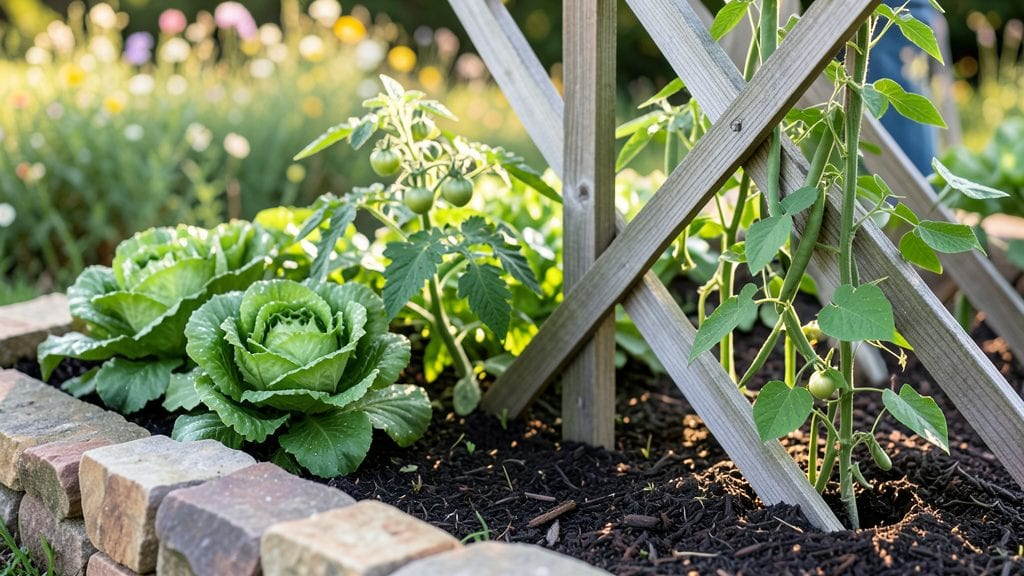
The original victory garden plants still pack a punch today—edible blooms, hardy vegetables, and pest-fighting powerhouses that make self-sufficiency feel effortless. 🌻 I planted my first victory garden last spring after reading how these plants thrived during World War II, and now my backyard produces more than enough for my family while keeping pests at bay.
Think beyond just tomatoes and lettuce—victory gardens relied on high-yield crops like bush beans, zucchini, and radishes that grow fast and feed many. Add in flowers like nasturtiums (edible and pest-repelling) or marigolds (which deter nematodes) to create a garden that works as hard as you do.
The best part? These plants thrive in small spaces, making them perfect for urban gardens, raised beds, or even containers.
You’ll end up with a garden that’s not just productive but visually stunning—vibrant blooms mixed with lush greens create a feast for the eyes and the table.
The historical plants like chives, sage, and calendula also double as natural pest control, so you’ll spend less time battling bugs and more time enjoying fresh harvests. Plus, the satisfaction of growing what you eat is unmatched.
Whether you’re going full historical with a 1940s-style layout or modernizing with vertical gardens, these plants adapt easily. Start small—even a 4x8-foot plot can yield enough for a family of four—and let the victory garden spirit inspire your growing season.
📚 In This Guide
- What you need
- Instructions
- Tips and common mistakes
- Wrapping up and next steps
What you need
- ● Seeds or seedlings: Choose from edible flowers (e.g., nasturtiums, calendula) and pest-repelling plants (e.g., marigolds, basil, garlic). Start with 5–10 plants for a small garden.
- ● Potting soil or compost: 2–3 cubic feet per plant (or pre-mixed garden soil). Opt for organic, nutrient-rich blends for best results.
- ● Containers or garden beds: Containers: 5–10-gallon pots with drainage holes (1 per plant).
- ● Garden beds: 6–12 inches deep, with raised beds preferred for better drainage.
- ● Watering can or hose: A 1–2 gallon can with a gentle spray nozzle works best for seedlings.
- ● Garden gloves (1 pair) – Protect your hands from thorns and soil.
- ● Hand trowel – For planting and transplanting.
- ● Pruners – Sharp, bypass-style for clean cuts.
- ● Measuring tape or ruler – To space plants 12–24 inches apart (depending on variety).
- ○ Mulch (optional) – 2–3 inches of straw or shredded leaves to retain moisture.
- ● Sunlight: 6–8 hours of direct sun daily for most edible blooms and herbs.
- ● Water access: Consistent moisture (especially for seedlings).
- ● Patience: Some plants (like marigolds) bloom in 6–8 weeks!
Step-by-Step guide to planning your victory garden plants
Here’s how to select and arrange plants that feed you and protect your garden naturally.
🌱 Step 1: Choose Edible Blooms for Pollinators and Harvests
Start with nasturtiums and calendula—both bloom brightly and pack a culinary punch. Nasturtiums’ peppery leaves and flowers add zing to salads, while calendula petals lend a citrusy note to teas. Plant them in 6-inch-deep beds where they’ll self-seed happily, spreading color and flavor year after year.
I like to tuck them near the garden’s edge, where they’ll attract pollinators while deterring pests like aphids. Their vibrant blooms also make the whole space feel alive—something your family will notice long before you harvest.
🌿 Step 2: Add Pest-Repelling Powerhouses to Key Areas
Scatter marigolds and basil throughout your garden—they’re the heavy hitters for keeping pests at bay. Marigolds release a scent that repels nematodes and rabbits, while basil’s strong fragrance confuses whiteflies. Plant 3-4 marigolds per 10-foot row of vegetables, spacing them 12 inches apart for maximum coverage.
Don’t forget chives near your carrots—their onion scent masks the scent of carrot flies, which would otherwise lay eggs in the soil. You’ll see fewer pests, and your harvests will stay healthier without chemical sprays.
☀️ Step 3: Layer Plants for Continuous Harvests and Protection
Combine fast-growing radishes (ready in 30 days) with slower lettuce and kale, which mature in 50-60 days. Radishes break up soil, improving drainage for the leafy greens that follow. Plant radishes first in 1-inch-deep rows, then succession-sow lettuce every 2 weeks to keep the harvest rolling.
Toss in dill near your tomatoes—its feathery foliage provides shade for seedlings while attracting beneficial wasps that prey on tomato hornworms. You’ll get fresh dill for pickles and a natural pest control system all in one.
💧 Step 4: Maintain with Water and Companion Pairings
Water deeply once a week in the morning to encourage deep root growth, but avoid wetting foliage to prevent fungal diseases. Group plants with similar water needs—basil and lettuce thrive with 1 inch of water weekly, while marigolds and nasturtiums are drought-tolerant once established.
Watch for signs of stress: wilting basil needs more water, while yellowing nasturtium leaves signal overwatering. Adjust as you go—your garden’s needs will shift with the seasons.
✂️ Step 5: Harvest and Prune for Long-Term Productivity
Pinch back nasturtium and calendula flowers regularly to encourage bushier growth and more blooms. Harvest basil leaves from the top to keep the plant compact—this prevents legginess and ensures a steady supply of fresh herbs. Cut dill back by half after flowering to prolong its harvest window.
Leave some flowers on your edible blooms to attract pollinators, but deadhead spent blossoms to redirect energy into new growth. You’ll get bigger harvests and a garden that thrives without constant intervention.
Tips & tricks for perfect victory garden plant arrangements
Between us, these simple tricks will help your edible garden thrive while keeping pests at bay—and save you from common beginner mistakes.
Plant Placement Matters: In Step 1, when tucking nasturtiums and calendula near the garden’s edge, leave at least 12 inches of space between them and your main crops. This prevents competition for nutrients while maximizing their pest-deterring benefits. I’ve found that positioning them slightly uphill from vegetables helps water flow toward your edibles during rain.
Companion Planting Secrets: For Step 2, when planting marigolds, create a checkerboard pattern with your vegetables rather than rows. This disrupts pests’ ability to locate your crops while maintaining the recommended 3-4 marigolds per 10-foot row. The same goes for basil—plant it in small clusters near tomatoes and peppers, not as a single border. This creates "pockets" of protection rather than leaving vulnerable gaps.
Succession Planting Hack: In Step 3, when succession-sowing lettuce every 2 weeks, stagger your plantings by 7 days rather than all at once. This ensures you always have fresh harvests while preventing bolting from heat stress. I’ve had the most success with this method in late summer when temperatures start climbing.
Watering Wisdom: In Step 4, when watering basil and lettuce with 1 inch weekly, use a soaker hose or drip irrigation instead of overhead watering. This prevents fungal diseases while delivering water directly to the roots. For marigolds and nasturtiums, water only when the soil feels dry 2 inches below the surface—these plants are surprisingly drought-tolerant once established.
Pro Tips for Victory Garden Plants
- Between us, these simple tricks will help your edible garden thrive while keeping pests at bay—and save you from common beginner mistakes.
- Plant Placement Matters: In Step 1, when tucking nasturtiums and calendula near the garden’s edge, leave at least 12 inches of space between them and your main crops.
- Companion Planting Secrets: For Step 2, when planting marigolds, create a checkerboard pattern with your vegetables rather than rows.
Frequently asked questions
about victory garden plants—because even the greenest thumbs have questions! Here are answers to the most common ones to help you grow with confidence.What are the easiest victory garden plants for beginners?
Start with hardy, low-maintenance plants like marigolds (pest-repelling powerhouses), basil (fast-growing and versatile), or radishes (ready in 3-4 weeks!). These thrive in most climates and require minimal fuss—perfect for building confidence before tackling trickier crops.
When is the best time to plant victory garden flowers and herbs?
Timing depends on your hardiness zone, but most herbs (like thyme or parsley) can go in early spring after the last frost, while flowers like nasturtiums tolerate cooler weather and can be planted 2-3 weeks before the last frost. Check seed packets for specific guidelines—your local nursery can also help!
How do I keep pests away from my victory garden without chemicals?
Plant companion plants like garlic (deters aphids), chives (repels carrots flies), or calendula (attracts beneficial insects). Interplanting and handpicking pests early also works. For stubborn issues, try neem oil or soapy water sprays—nature’s pest control!
Can I grow victory garden plants in containers or small spaces?
Herbs like basil and mint thrive in pots, while nasturtiums and lettuce grow well in window boxes. Just ensure containers have drainage holes and use lightweight potting soil. Even a balcony or patio can become a productive micro-garden with the right choices.
What should I do if my victory garden plants aren’t blooming or producing?
Check for sunlight (most need 6+ hours daily), water (consistent but not soggy), and nutrients (add compost or fertilizer if leaves look pale). Some plants (like basil) bloom less when pinched early. If pests or disease strike, isolate affected plants and treat promptly—don’t give up!
Wrapping up and next steps
Ready to transform your garden into a thriving, self-sustaining edible oasis? Victory gardens aren’t just a nod to history—they’re a practical, rewarding way to grow food, deter pests, and enjoy nature’s beauty.
Whether you’re planting marigolds for their pest-fighting prowess or nasturtiums for their edible blooms, every seed you sow is a step toward a greener, tastier future.
Start small, experiment fearlessly, and watch your garden bloom with purpose. 🌱 Next, grab your gloves and pick your first victory plants—your future harvest (and happy pollinators!) will thank you.