Vegetables
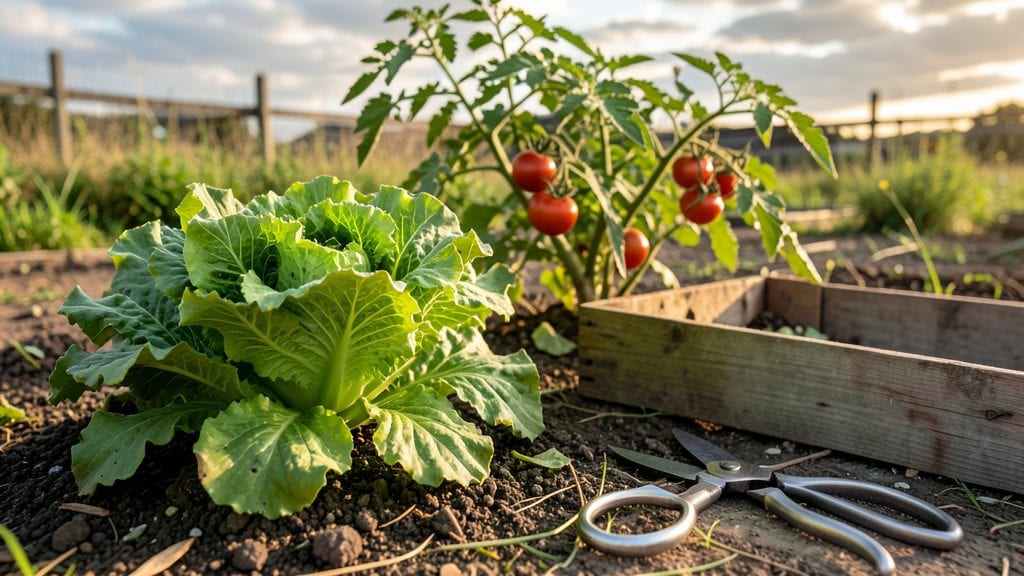
The history of victory gardens traces back to World War II, when they became a nationwide movement to combat food shortages by converting urban spaces into productive farms. These gardens produced nearly 40% of U.S. vegetables by 1943, showcasing how civic efforts and federal coordination could address wartime challenges while fostering self-reliance.
The concept began as a patriotic response to rationing and supply chain disruptions, with the federal government actively promoting them through posters and school programs. 🌱 These gardens weren't just about growing food—they symbolized community resilience, with families planting everything from potatoes to tomatoes in their backyards.
What's fascinating is how this wartime initiative laid the groundwork for today's urban farming movements, proving that even small plots can make a big difference.
Many modern community gardens and rooftop farms draw direct inspiration from victory gardens, using similar techniques like crop rotation and seed-saving to maximize yields. The original movement also highlighted the power of collective action, a principle still central to contemporary food justice initiatives.
Whether you're a history buff or an urban gardener, the legacy of victory gardens offers practical lessons about sustainability and resourcefulness.
💡 In This Article
- How WWII Food Rationing Triggered Victory Gardens
- Modern Victory Gardens: Reviving the Movement Today
How WWII food rationing triggered victory gardens
The federal government's rationing policies created the perfect storm for victory gardens to emerge. When President Franklin D. Roosevelt signed Executive Order 9018 in 1942, it established the Office of Civilian Defense and launched the "Food for Freedom" campaign.
This wasn't just about conserving resources—it was a strategic move to free up commercial crops for soldiers overseas.
By 1943, rationing limited meat, butter, and sugar to just 27 pounds per person annually, forcing families to find alternative food sources. 🌱 The government even published "Victory Garden Cookbooks" showing how to stretch rationed ingredients with homegrown produce.
Propaganda played a crucial role in mobilizing the public. Posters like "Grow Food for the War Effort" and radio broadcasts featuring stars like Bette Davis and Mickey Rooney turned gardening into a patriotic duty.
The Office of War Information distributed 20 million pamphlets with planting guides, and schools incorporated victory garden education into curricula. What's fascinating is how these campaigns tapped into American ideals of self-reliance—something that resonated deeply during a time when uncertainty was the norm.
The impact was staggering: by 1944, victory gardens covered 18 million acres—about 40% of all U.S. vegetable production. Families planted everything from potatoes (40% of national supply) to tomatoes (80% of supply), with some urban areas like Detroit producing 90% of their own vegetables.
The government even encouraged growing "liberty cabbages"—a term for cabbage that subtly reminded people of freedom while providing a key ration-stretched vegetable. 💛
What made this movement unique was its grassroots organization. The National Garden Bureau worked with local groups to distribute free seeds, and community plots sprang up in cities like New York and Chicago, where rooftops and fire escapes became makeshift farms.
The psychological impact was just as significant: these gardens gave families a sense of control during chaotic times, while also fostering neighborhood connections through shared labor and harvests.
Here's what most people don't realize: the success of victory gardens wasn't just about food production—it was about changing behavior at scale. The government used incentives like tax reductions for gardeners and even offered "Victory Garden Kits" containing tools and seeds.
By the war's end, the movement had produced 8 million tons of food, proving that urban agriculture could feed a nation—a lesson we're relearning today as cities grapple with food insecurity. ✨
The legacy of these gardens lives on in modern community-supported agriculture (CSA) programs and urban farming initiatives. What started as a wartime necessity became a cultural shift, showing how policy, propaganda, and public participation could transform empty spaces into productive assets.
The numbers speak for themselves: 40% of U.S. vegetables from backyard plots isn't just history—it's a blueprint for resilience. 🌿