
Size
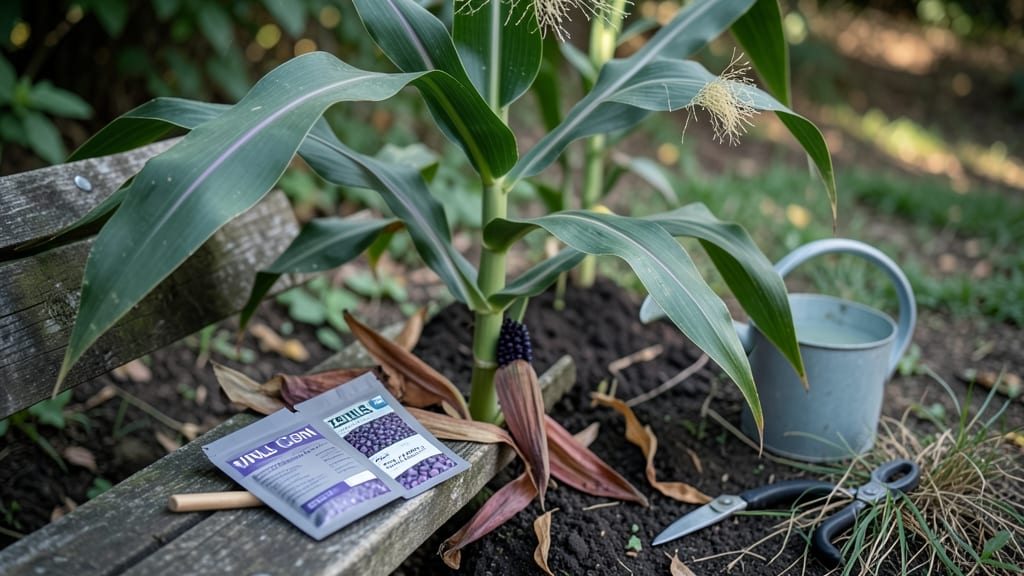
Growing violet corn from seed gives you those jaw-dropping purple stalks in just 90 days—no hybrid tricks, just pure, dramatic color straight from your garden.
I planted my first patch last summer after seeing how the deep violet kernels popped against fresh green husks, and honestly, it changed how I think about corn. The flavor’s just as sweet as regular corn, but the visual impact? Unmatched. This isn’t just a crop; it’s a conversation starter.
You’ll need well-draining soil with a pH between 6.0 and 6.8, a sunny spot getting at least 6 hours of light daily, and patience for the first 10 days while seeds germinate.
Start seeds indoors 2-3 weeks before your last frost or sow directly after soil warms to 60°F. Space plants 12 inches apart in rows 3 feet apart—crowding turns those stunning stalks into a tangled mess. Water consistently, keeping soil moist but not soggy, especially during pollination when ears form.
The payoff comes when those silky purple tassels appear, signaling it’s time to watch for silking. Harvest when kernels are plump and milk-stage sweet—usually 90 days after planting. The stalks stay vibrant even after drying, making them perfect for fall decor or dried corn arrangements.
Plus, birds and pollinators adore the color, turning your garden into a lively hub.
Watch for corn earworms and raccoons—they can’t resist those bright kernels. Use row covers early on, and harvest before ears get too ripe. For advanced gardeners, try planting in blocks instead of rows to improve pollination.
Whether you’re growing for beauty, harvest, or both, violet corn delivers results that’ll make neighbors ask, “What’s that?” every time they walk by.
📚 In This Guide
- What you need
- Instructions
- Tips and common mistakes
- Wrapping up and next steps
What you need
- ● Violet corn seeds: 2–4 lbs (enough for a 10’x10’ patch; adjust based on spacing)
- ● Well-draining soil: Mix of garden soil + compost (pH 6.0–7.0; test kit recommended)
- ● Fertilizer: Balanced 10-10-10 or organic options (e.g., worm castings, bone meal)
- ● Watering can or hose: With a gentle spray nozzle (corn hates soggy roots!)
- ○ Stakes or trellis (optional but helpful): 5–6 ft tall for tall varieties (e.g., bicolor or black Mexican)
- ● Garden trowel or transplanter: For seedling placement (4–6” deep)
- ● Gloves: Heavy-duty for weeding or handling stalks
- ● Pruners: For trimming dead leaves or harvesting
- ○ Row cover or shade cloth (optional): 30–50% shade for hot climates
- ● Seedling trays (if starting indoors): Biodegradable pots or 2” cells
- ● Sunlight: Full sun (6–8+ hours daily)
- ● Warm soil: Wait until night temps stay above 50°F (10°C)
- ● Space: 12–18” between plants; 30” between rows
- ● Patience: 90 days to harvest (varies by variety!)
Step-by-Step instructions for growing stunning violet corn in your garden
Here's how to cultivate vibrant purple corn from seed to harvest in just three months.
Prepare the Planting Site for Optimal Growth
Violet corn thrives in loose, well-draining soil with a pH between 6.0 and 7.0. Before planting, remove any weeds or debris from your garden bed and loosen the soil to a depth of 12 inches using a garden fork. This helps roots penetrate easily and prevents waterlogging, which can cause purple corn stalks to rot.
Incorporate 2 inches of well-aged compost into the top 6 inches of soil to improve fertility. Violet corn is heavy-feeding, so this boost ensures strong stalks and vibrant kernels. If your soil is heavy clay, mix in 1 part sand for every 3 parts soil to improve drainage. Test the soil moisture by squeezing a handful—it should hold together but not be soggy.
Plant Seeds at the Right Depth and Spacing
Sow violet corn seeds 1 inch deep and 6 inches apart in rows that are 3 feet apart. Plant 4 seeds per hill to ensure at least one strong stalk emerges, as germination rates can vary. Space rows this far apart to allow for proper air circulation, which prevents fungal diseases that can discolor the purple husks.
Water the soil lightly after planting to settle seeds in place. Keep the planting area consistently moist—not soggy—until germination, which typically occurs in 7 to 14 days. Use a fine mist setting on your hose or watering can to avoid disturbing the seeds. Once seedlings reach 3 inches tall, thin them to the strongest plant per hill, snipping the weaker ones at the base with clean scissors.
Provide Consistent Water and Fertilizer for Purple Stalks
Violet corn needs 1 to 1.5 inches of water per week, especially during tasseling and ear development. Water deeply 2 to 3 times per week, directing the stream at the base of the plant to prevent fungal issues on the leaves. Early morning watering is best—it reduces evaporation and gives foliage time to dry, lowering the risk of mildew.
Feed plants with a balanced 10-10-10 fertilizer when they reach 12 inches tall, then again when tassels appear. Side-dress with 1 tablespoon of compost around each plant at mid-season to replenish nutrients. Watch for yellowing lower leaves—this signals nitrogen deficiency and means it’s time to fertilize again. Purple corn stalks develop their rich color when plants are healthy and well-fed.
Monitor for Pests and Support Tall Stalks
Violet corn can grow 7 to 9 feet tall, so install stakes or a trellis system at planting time to prevent stalks from bending under their own weight. Tie each plant loosely to the support with soft twine as it grows, adjusting the height every 2 weeks. This keeps ears elevated and reduces the risk of soil-borne diseases.
Keep an eye out for corn earworms and aphids, which can damage developing ears. Handpick larger pests or spray with neem oil in the evening for organic control. If you notice silken webs or chewed leaves, act quickly—these pests thrive in crowded conditions. Healthy plants with proper spacing and support will produce ears with deep purple kernels and minimal blemishes.
Harvest at Peak Ripeness for Best Flavor
Violet corn is ready to harvest 90 days after planting, when the silks turn brown and dry. Gently grasp an ear near the base—if it resists slightly, it’s ready. Twist the ear sharply to snap it from the stalk. Check for plump kernels and a milky liquid when cut open; these indicate peak sweetness and color intensity.
Harvest on a dry morning to preserve the vibrant purple hue. Store ears in the refrigerator for up to 5 days or blanch and freeze for longer storage. For the best flavor, cook within 24 hours of harvest. If left too long on the stalk, kernels will dry out and lose their striking color, so time your planting for a late-summer harvest when you can enjoy them fresh.
Tips & tricks for growing stunning purple corn in your garden
These essential tips will help you grow vibrant purple corn that rivals the boldest garden displays.
Soil Preparation is Key: The 12-inch deep soil loosening in Step 1 isn't just about roots—it's about creating an oxygen-rich environment that prevents waterlogging. I've found that adding 2 inches of compost to the top 6 inches of soil makes all the difference for those striking purple stalks. If your soil is heavy clay, that 1:3 sand mixture really helps drainage, which is crucial for preventing stalk rot that can ruin your harvest.
Germination Timing Matters: The 7-14 day germination window in Step 2 can be tricky. I've learned to keep the soil consistently moist—not soggy—using that fine mist setting on my hose. This prevents seeds from drying out while avoiding the risk of fungal diseases that can discolor those beautiful purple husks. Once those seedlings hit 3 inches, don't hesitate to thin them—keeping just the strongest plant per hill gives you the best chance for those vibrant purple ears.
Watering Strategy for Vibrant Color: Those 1-1.5 inches of water per week during tasseling and ear development are critical for maintaining the purple hue. I've noticed that early morning watering makes a huge difference—it reduces evaporation and gives foliage time to dry, which lowers the risk of mildew that can dull those stunning purple kernels. The 2-3 times per week deep watering at the base keeps everything healthy without wetting the leaves.
Support System for Tall Stalks: Don't wait until your plants are already leaning when you install those stakes or trellis systems. Setting them up at planting time prevents damage to developing roots. I adjust the height every 2 weeks as the plants grow, which keeps those ears elevated and reduces soil-borne diseases. The purple stalks can reach 7-9 feet tall—proper support ensures they stay upright and produce ears with minimal blemishes.
Pro Tips for Violet Corn Seed Grow A Garden
- These essential tips will help you grow vibrant purple corn that rivals the boldest garden displays.
- Soil Preparation is Key: The 12-inch deep soil loosening in Step 1 isn't just about roots—it's about creating an oxygen-rich environment that prevents waterlogging.
- Germination Timing Matters: The 7-14 day germination window in Step 2 can be tricky.
Frequently asked questions
Got questions about growing violet corn? You’re not alone—this striking variety stands out for its bold color and versatility, but it does have some unique quirks! Below, we’ve rounded up the most common questions from gardeners just like you.
How long does it take for violet corn to mature?
Violet corn typically reaches maturity in about 90–110 days from planting, depending on your climate and growing conditions. If you’re in a shorter growing season, opt for early-maturing varieties (like ‘Black Aztec’) to ensure a harvest before frost. Start seeds indoors 4–6 weeks before the last frost for a head start!
Does violet corn need special soil or sunlight?
Violet corn thrives in well-draining, fertile soil with a pH of 6.0–7.0. It loves full sun (6–8 hours daily) and benefits from compost or aged manure to boost nutrients. Unlike white or yellow corn, its purple hue doesn’t require special soil—just consistent moisture and warmth. Pro tip: Mulch to retain moisture and prevent soil-borne diseases.
Can I save seeds from violet corn for next year?
Yes, but with a catch! Violet corn is an open-pollinated variety, so you can save seeds—but cross-pollination with other corn varieties may dilute the color. For pure violet kernels, plant at least 200 feet away from other corn or use row covers during tasseling. Store dried seeds in a cool, dark place for up to 2 years.
What pests or diseases should I watch for?
Violet corn faces the same pests as regular corn, like corn earworms, aphids, and raccoons (who love those sweet kernels!). Prevent issues with row covers early on and handpick pests. Fungal diseases (e.g., leaf blight) thrive in humid conditions—improve airflow and avoid overhead watering. Quick fix: Neem oil spray can deter soft-bodied insects naturally.
How is violet corn different to eat?
The flavor is identical to white or yellow corn—sweet, starchy, and versatile! The purple hue fades when cooked, but you can preserve it by steaming kernels briefly before freezing or canning. Try it in salads, soups, or grilled for a pop of color. Fun fact: The anthocyanins (what gives it color) are packed with antioxidants!
What if my violet corn stalks turn yellow or wilt?
Yellowing leaves often signal nutrient deficiency (try a balanced fertilizer) or underwatering. Wilting could mean root rot (check soil moisture) or herbicide drift if nearby crops were sprayed. Adjust care immediately: water deeply 1–2 inches per week and test soil for pests. If the problem persists, isolate the plant to prevent spread.
Wrapping up and next steps
Growing violet corn from seed is a rewarding journey that adds a splash of color and vibrancy to your garden in just 90 days! With the right soil, sunlight, and care, you’ll transform those tiny seeds into striking purple stalks that are as beautiful as they are delicious.
Whether you’re a seasoned gardener or a beginner, this project is a fun and fulfilling way to bring whimsy and flavor to your outdoor space.
Now that you’re armed with all the tips and tricks, it’s time to roll up your sleeves and get planting! Start small—maybe just a few seeds in a pot or a dedicated garden bed—and watch your garden (and confidence) grow. Happy gardening! 🌱💜