
Planting
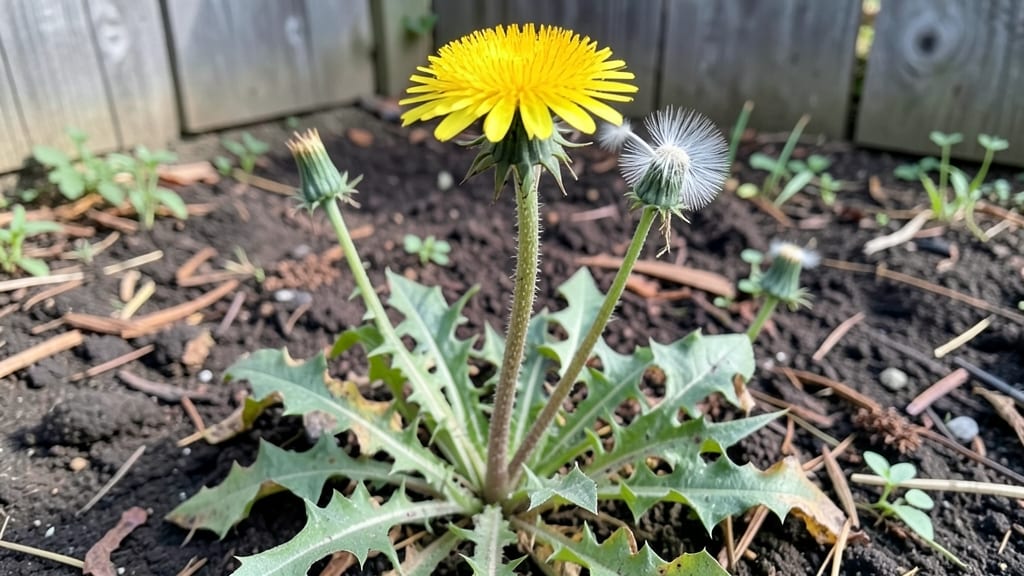
Planting weeds in your garden might sound counterintuitive, but strategic weed planting can actually outsmart invasive species before they take over. 🌱 I learned this after battling crabgrass for three summers—until I realized some "weeds" could work with me instead of against me.
The key is choosing fast-growing, shallow-rooted plants like clover or buckwheat that crowd out weeds naturally. These aren't your typical garden crops, but they smother soil, prevent seed germination, and even improve it over time. No tilling, no chemicals—just smart competition.
By late summer, you'll have a thick green carpet that chokes out dandelions and chickweed while adding organic matter to the soil. The best part? You can till them in come fall for a nutrient boost without ever breaking a sweat.
Works best in small gardens, between rows, or as living mulch. Here's how to pick the right plants for your climate and space—no more losing battles to weeds, just strategic victories.
Root Causes of Unwanted Growth
If your garden is becoming overrun by uninvited greenery, understanding the why behind their persistence is half the battle. Weeds—whether they’re creeping vines, stubborn grasses, or fast-spreading broadleaf plants—thrive in gardens for specific reasons. Below, we break down the science and circumstances that turn your yard into their playground.
Weeds don’t just pop up randomly—they exploit nutrient-rich, disturbed, or compacted soil. Here’s how:
- Exposed Soil: When soil is bare (from construction, erosion, or poor mulching), seeds latch onto the surface and germinate quickly. Pro tip: A 3-inch layer of mulch blocks 80% of weed seeds from reaching sunlight.
- Over-Fertilization: Weeds like dandelions and crabgrass thrive in nitrogen-heavy soil because they grow faster than desired plants. Test your soil—if pH is off or nutrients are imbalanced, weeds will dominate.
- Compaction: Heavy foot traffic or machinery crushes soil structure, making it harder for grass roots to compete. Weeds with shallow roots (like chickweed) fill the gaps effortlessly.
Actionable fix: Amend soil with compost to improve drainage and microbial activity, which crowds out weed seeds naturally.
Weeds are opportunistic sunlight hogs. Even a tiny crack in your garden’s canopy can trigger an invasion:
- Thin Plant Canopy: If your garden beds are sparse (e.g., new plantings or over-pruned shrubs), weeds like bindweed or oxalis seize the open space, stealing water and nutrients.
- Reflective Surfaces: Pavement, driveways, or even light-colored mulch reflect heat, warming soil and accelerating weed seed germination.
- Drip Irrigation Mistakes: Overhead watering wets weed seeds on the soil surface, while drip systems (if misplaced) can create moisture pockets where weeds like nutsedges thrive.
Actionable fix: Use dense ground covers (like clover or creeping thyme) or shade cloth in high-light areas to block weed growth.
Water is the lifeline of weeds—more so than many garden plants. Here’s how your routine might be helping them:
- Overwatering: Weeds like mallow and purslane have succulent stems that store water, letting them survive droughts your plants can’t. Deep but infrequent watering (1–2 inches per week) forces weeds to compete for moisture.
- Inconsistent Moisture: Drought followed by a hard rain triggers a germination explosion in dormant weed seeds. Mulch + consistent watering keeps soil evenly moist, deterring this cycle.
- Irrigation Runoff: Water pooling near sidewalks or foundations creates weed hotspots. Adjust sprinklers to water at the base of plants, not the edges.
Actionable fix: Switch to drip irrigation or soaker hoses to deliver water directly to plant roots, bypassing weed zones.
Weeds often outcompete your plants because your garden’s ecosystem is tilted in their favor. Common imbalances include:
- Lack of Beneficial Microbes: Healthy soil teems with mycorrhizal fungi and bacteria that suppress weeds by outcompeting their seeds. Chemical fertilizers or tilling kill these microbes, leaving weeds to dominate.
- Absence of Natural Predators: Insects like weevils and slugs may eat your veggies, but they also control weed populations. Overusing pesticides disrupts this balance.
- Monoculture Planting: Gardens with one type of plant (e.g., a lawn of just Kentucky bluegrass) create weak competition, while diverse plantings crowd out weeds naturally.
Actionable fix: Introduce companion plants (like marigolds to deter nematodes) and avoid tilling—it buries weed seeds deeper, making them germinate later.
Key takeaway: Weeds don’t invade randomly—they exploit gaps in your garden’s defenses. By addressing soil, light, water, and ecosystem health, you can starve them out before they take over.
Quick Fixes for Unwanted Growth
Discovering unwanted plants sprouting in your garden can be frustrating, but don’t worry—there are practical ways to tackle them without harsh chemicals. Below, we’ve mapped out targeted solutions based on the most common causes of stealthy weed growth, along with tips to prevent future invasions.
These methods are easy to follow and work for compact spaces like balconies, patios, or small garden beds.
If weeds thrive because your garden soil is packed with nutrients (or lacks them), the first step is to improve the growing environment for your desired plants.
🔥 Fix: Boost Soil Health
- Add organic matter: Mix in compost or well-rotted manure to enrich the soil. This encourages your plants to outcompete weeds for nutrients. Pro tip: 💡 Use a 2-3 inch layer of mulch (like straw or wood chips) to suppress weed seeds before they germinate.
- Test soil pH: Weeds like crabgrass or chickweed love acidic or alkaline soil. Use a simple soil test kit to adjust pH if needed—lime raises pH, while sulfur lowers it.
- Plant ground covers: Fast-growing plants like clover or creeping thyme can smother weeds naturally by blocking sunlight.
🌡️ Prevention Tips
- Pre-plant soil prep: Before adding new plants, till in compost to create a nutrient-rich barrier that weeds can’t penetrate easily.
- Regular mulching: Reapply mulch every few months to maintain a weed-free layer.
Weeds often take over soggy or poorly drained areas because they thrive in damp conditions. Fixing drainage issues will make your garden less inviting to unwanted guests.
👨🍳 Fix: Improve Drainage
- Raise beds: If your space is prone to waterlogging, consider raised garden beds with gravel or sand at the bottom for better drainage.
- Aerate compacted soil: Use a garden fork to loosen soil and create air pockets. This helps water drain faster and reduces weed-friendly moisture.
- Adjust watering habits: Water deeply but less frequently to encourage deep root growth in your plants (and discourage shallow-rooted weeds).
✨ Prevention Tips
- Install French drains: For persistent wet spots, a small trench filled with gravel and a perforated pipe can redirect excess water.
- Choose drought-tolerant plants: Opt for succulents or native plants that thrive with less water, reducing the appeal for moisture-loving weeds.
Even small fragments of weeds can regrow into full plants. Manual removal is often the most effective way to stop their spread.
🔪 Fix: Manual Removal Methods
- Pull weeds early: Remove weeds when they’re young and the soil is moist (morning or after rain). Use a weeding tool or your hands for precision.
- Dig deep: For perennial weeds (like dandelions), dig out the entire root to prevent regrowth. Pro tip: 🎯 Wrap roots in newspaper and dispose of them—don’t compost!
- Solarize soil: Cover weed-infested areas with clear plastic for 4-6 weeks in hot sun. The trapped heat kills weed seeds and roots.
🔥 Prevention Tips
- Clean tools and shoes: After gardening, shake off soil and wash tools to avoid spreading weed seeds.
- Remove weeds before they seed: Cut off flower heads before weeds go to seed to stop the cycle.
Weeds like sun or shade differently than your garden plants. Adjusting light exposure can tip the balance in your favor.
🍳 Fix: Adjust Light Conditions
- Add shade cloth: For sunny spots, use shade cloth (30-50% coverage) to block enough light to deter weeds while still allowing your plants to grow.
- Prune overhanging branches: If weeds thrive in shady corners, trim back trees or shrubs to let more light reach the ground.
- Use reflective mulch: Light-colored gravel or landscape fabric reflects sunlight, making it harder for weeds to establish.
🌡️ Prevention Tips
- Plant densely: Crowd out weeds by planting flowers, herbs, or vegetables closely together. The less space weeds have, the harder they’ll struggle to grow.
- Rotate crops: If you’re growing vegetables, rotate plant families yearly to disrupt weed seed cycles.
With these targeted fixes, you’ll reclaim your garden from unwanted growth while keeping your space lush and productive. Start with the method that matches your biggest challenge, and soon you’ll enjoy a weed-free haven! 🌿💪
Frequently asked questions
Can I intentionally plant weeds to control other weeds?
Yes! Fast-growing plants like clover or buckwheat act as natural weed suppressors by crowding out invasive species. These "cover crops" smother soil, block sunlight, and improve soil health when tilled in later. They're perfect for small gardens or between rows.
What's the best time of year to plant weed-suppressing plants?
Spring or early summer is ideal for most cover crops. Plant clover in early spring for summer suppression, or buckwheat in late spring for quick summer coverage. These fast growers establish before weeds get a foothold.
Will planting weeds attract pests to my garden?
Not if you choose the right plants! Clover actually repels some pests while attracting beneficial insects. Avoid plants like purslane (which can harbor pests) and stick to proven cover crops that improve soil without creating problems.
How long does it take to see weed suppression results?
Most cover crops show results in 4-6 weeks. Buckwheat grows fastest (reaching 3-4 feet in 6 weeks) while clover takes 6-8 weeks to form a dense mat. The key is planting before weeds establish.
Can I use this method in containers or small spaces?
Dwarf varieties like white Dutch clover work perfectly in containers or small garden beds. Just ensure proper spacing (about 6 inches apart) and keep them well-watered during establishment.