
Size
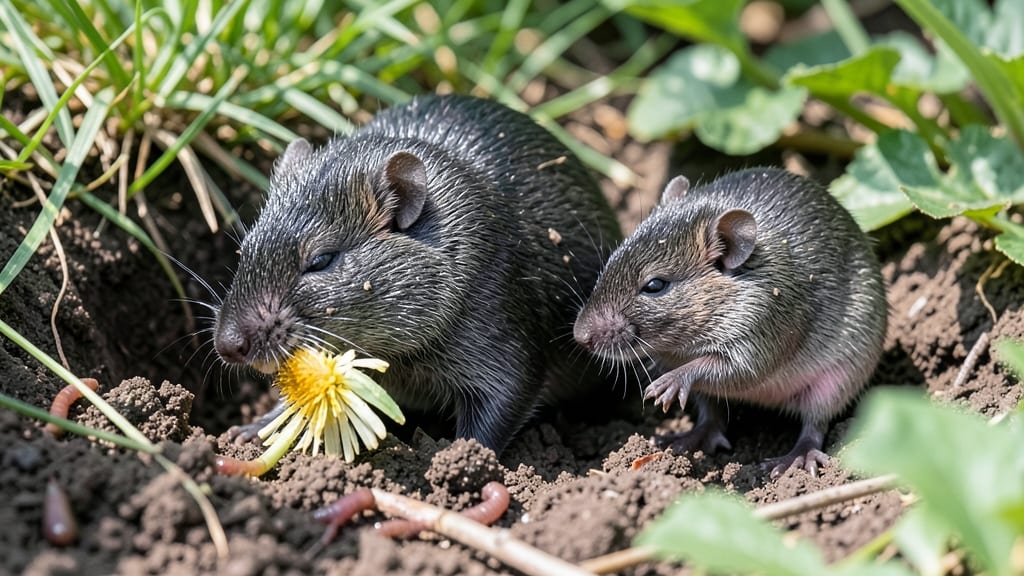
When growing a garden, moles primarily eat earthworms, grubs, and insect larvae, but they also consume plant roots, bulbs, and tubers like tulips, daffodils, and potatoes. Their diet shifts seasonally, with more plant matter in winter when insects are scarce, often causing visible damage to garden beds.
Moles are often misunderstood as pests, but their diet actually helps control insect populations in your garden. 🌱 Their preference for grubs and larvae makes them beneficial allies when insects are abundant, yet their appetite for plant roots can become problematic during colder months.
The key to managing them lies in understanding this seasonal shift—when soil insects dwindle, moles turn to your prized bulbs and tubers, creating those telltale surface mounds and damaged plants.
What's fascinating is how moles navigate their environment. They use their keen sense of smell to locate food underground, often traveling 10-15 feet per night in search of meals. This explains why damage might appear suddenly in different garden sections.
The good news? Simple preventive measures like proper mulching and strategic plant placement can significantly reduce their access to your garden's most vulnerable parts.
💡 In This Article
- Mole Diet Breakdown: Insects vs Plant Matter
- Identifying Mole Damage in Gardens and Prevention Tips
Mole diet breakdown: insects vs plant matter
Moles primarily rely on soil-dwelling insects, particularly earthworms, which make up 60-80% of their summer diet. These creatures are rich in protein and fat, providing the energy moles need for their high-metabolism lifestyle.
Their foraging behavior involves digging through 1-2 cubic feet of soil per day, using their powerful front paws to tunnel and their sensitive noses to detect prey.
The key factor here is insect availability—when grubs and larvae are abundant, moles prioritize them over plant matter, making them beneficial for garden pest control during warmer months. 🔥
The shift to plant roots occurs when insect populations decline, typically during late fall and winter when soil temperatures drop below 50°F. Moles then target bulbs and tubers because these underground structures provide essential carbohydrates to maintain their 1.5-2.5 pound body weight.
Interestingly, their teeth are designed for crunching through tough plant roots rather than biting insects, revealing an evolutionary adaptation to their changing diet. Soil composition also plays a role—moist, loamy soil retains more insect activity, while dry or compacted soil forces moles to seek alternative food sources.
What most gardeners don't realize is how mole metabolism drives this seasonal switch. During winter, moles burn 30-40% more calories maintaining body heat in cooler temperatures, increasing their need for energy-dense plant matter. This explains why damage often peaks in January and February when insect activity is at its lowest.
The irony? While moles help control garden pests in summer, their winter diet becomes the very problem gardeners try to prevent. 💫
Here's what's actually happening underground: Moles create shallow tunnels (4-6 inches deep) for foraging, which is where they encounter most plant roots. Their digging creates the familiar surface mounds we see, but the real damage occurs below ground where roots are severed.
Studies show moles can consume up to 50 pounds of plant material annually when insects are scarce, making them a significant threat to bulb gardens and vegetable crops. The texture of plant roots—firm yet fibrous—provides the resistance moles need to gnaw effectively, unlike softer insect larvae.
Environmental factors like drought also accelerate this dietary shift. When soil dries out, earthworms retreat deeper, forcing moles to expend more energy hunting them. This increased effort makes plant roots a more efficient food source, especially for juvenile moles that haven't yet developed the stamina for deep tunneling.
The result? More frequent surface mounds and greater damage to shallow-rooted plants like lettuce and strawberries. Understanding this cycle helps explain why mole problems often worsen during dry spells or after heavy rainfall, which disrupts both insect populations and soil structure. ✨
One fascinating detail is how moles prioritize food based on energy return. Insects provide high-protein, low-volume meals, while plant roots offer carbohydrate-rich, bulkier options. This explains why moles will consume multiple small insect meals during peak seasons but switch to larger plant root chunks when insects are scarce.
The metabolic cost of digestion also plays a role—plant matter requires more energy to process, which is why moles often seek out the most nutrient-dense roots available in your garden. This selective feeding pattern is what makes certain plants like tulips and daffodils particularly vulnerable to mole damage. 🌟