
Fertilization
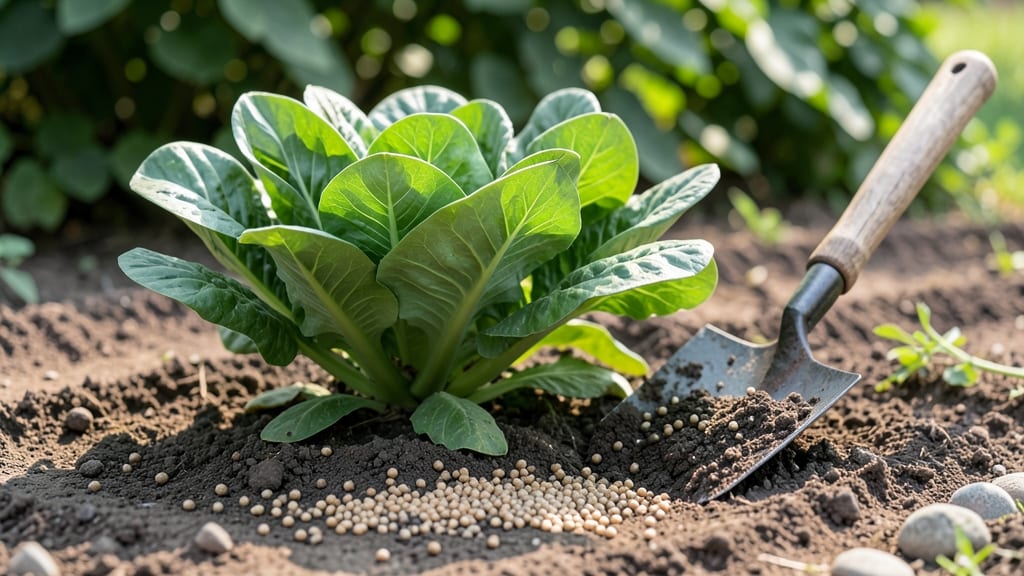
To fertilize your garden effectively, time it by season and plant type: use balanced fertilizer in early spring before planting, switch to slow-release options mid-season for blooming plants, and skip fertilization in late fall to avoid winter damage. Vegetables, lawns, and perennials each need different schedules based on their growth patterns.
Timing matters because plants absorb nutrients differently throughout the year.
In spring, cool soil temperatures mean roots need phosphorus to establish, while summer's heat demands nitrogen for leafy growth. 🌱 I've learned that over-fertilizing in fall can actually harm plants as they prepare for dormancy—so patience pays off when you wait until spring.
For warm climates, adjust this schedule by 4-6 weeks later, since growth cycles shift with longer growing seasons.
Your garden's specific needs depend on what you're growing. Vegetables like tomatoes thrive with a mid-season nitrogen boost, while lawns benefit from light applications every 6-8 weeks.
Perennials often need just one spring feeding, but flowering annuals may require monthly top-ups. Always check soil moisture first—fertilizer burns are just as damaging as nutrient deficiencies.
💡 In This Article
- Seasonal Fertilizer Timing for Optimal Plant Growth
- Plant-Specific Fertilizing Schedules and Best Practices
Seasonal fertilizer timing for optimal plant growth
Plants have distinct nutrient needs tied to their growth phases, which shift dramatically with seasons. In spring, when soil temperatures rise above 50°F, roots become active and crave phosphorus for energy transfer—think of it as fuel for new shoots breaking through the soil.
This is why early spring applications of 5-10-10 (NPK ratio) fertilizers work best: the phosphorus content supports root development while nitrogen prepares for leafy growth. 🌱 What most gardeners miss is that cool-season plants like lettuce and broccoli actually need less nitrogen in spring than warm-season crops.
Summer's heat triggers a different response—plants prioritize nitrogen for leaf production and potassium for stress resistance against drought and pests. That's why mid-season fertilizers often have higher potassium ratios like 10-10-20, especially for flowering plants.
Temperature also affects nutrient absorption: soil microbes that break down organic fertilizers become sluggish below 60°F and overactive above 85°F. In humid climates, rainfall can leach nutrients within 24-48 hours, making slow-release granules more effective than water-soluble options.
Fall fertilization requires special care because plants prepare for dormancy. Applying nitrogen-rich fertilizers too late can stimulate tender new growth that won't survive frost, a condition called winter burn.
The key is to use low-nitrogen, phosphorus-heavy fertilizers like 5-10-5 by late August in most zones, giving roots time to store nutrients without encouraging top growth.
In warm climates (zones 8-10), you can extend this window until October, but always check your local frost dates—this is where climate adaptation becomes critical.
Rainfall patterns create another layer of complexity. In arid regions, fertilizers should be watered in immediately to prevent salt buildup on roots, while wet climates may require more frequent light applications to compensate for nutrient loss.
For example, in Seattle's rainy season, I've found that monthly applications of half-strength fertilizer work better than heavy spring doses that get washed away. The science here involves soil moisture tension—when soil dries out, roots can't access nutrients even if they're present, making timing as important as quantity.
Seasonal timing also varies by plant type due to their natural growth rhythms. Vegetables need nitrogen-heavy feeds during their growing phase but should avoid late-season fertilization that could delay maturity. Lawns follow a different pattern: cool-season grasses like Kentucky bluegrass need fall applications to build roots for spring, while warm-season Bermuda grass thrives with summer feeding.
This biological clock explains why your neighbor's lawn might look lush while yours struggles—it's not just about what you fertilize, but when you do it.
What most people don't realize is that soil temperature acts as a natural timer. Use a soil thermometer to check when temperatures consistently stay above 55°F—this is your cue for spring fertilization.
In northern climates, this might be late April, while southern gardens can start as early as February. The same principle applies to fall: stop fertilizing when nighttime temperatures drop below 50°F consistently. This precision timing is what separates thriving gardens from struggling ones.