
Picking
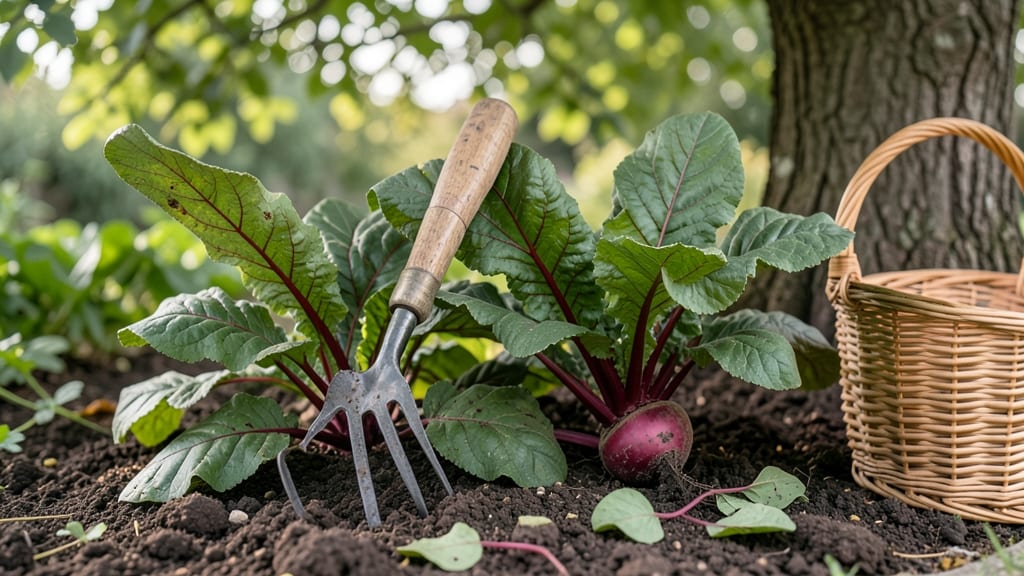
Picking beets from your garden at the right moment transforms them from tough, fibrous roots into sweet, tender bites 🍠 — and the difference is all in the timing.
Harvesting beets too early leaves you with undersized, watery roots, while waiting too long turns them into woody, stringy messes. I’ve pulled beets that cracked my molars just to find out they weren’t ready—don’t let that happen to you.
You’ll learn how to read the size, color, and texture of your beets to nail the perfect harvest window, plus seasonal tricks to adjust for your climate in USDA Zone 6a.
By the end, you’ll know exactly when to pull those vibrant roots for peak flavor, whether you’re storing them for winter or serving them fresh on the dinner table.
How to determine the perfect time to harvest beets by size and color
Timing your beet harvest correctly ensures sweet, tender roots packed with flavor. Most gardeners focus on root size and color intensity, but leaf health and soil conditions also play critical roles.
For Detroit Dark Red varieties, aim for roots between 1-3 inches in diameter, while Chioggia beets (with their stunning rings) mature slightly earlier at 1-2 inches. Golden varieties like Golden can be harvested even smaller—around 1 inch—for a sweeter, milder taste.
Don’t overlook the top greens when assessing maturity. Healthy leaves should be vibrant green and 6-12 inches tall, indicating the root below is storing energy efficiently. If leaves start yellowing or wilting, it’s a sign the beet may have bolted or is overripe.
For baby beets, harvest when tops reach 3-6 inches—these tender roots are perfect for quick salads or pickling.
Seasonal timing varies by variety and climate. In cooler regions, spring-planted beets typically mature in 50-60 days, while summer plantings may take 60-70 days due to heat stress. Early varieties like Babybeat can be ready in just 35-40 days, making them ideal for late-spring harvests.
Always check your seed packet for days-to-maturity guidelines as a starting point.
Color is your best indicator of sweetness. Deep purple or red hues in Detroit Dark Red varieties signal peak flavor, while golden beets develop a rich amber tone. Stripes in Chioggia beets should be bold and defined.
If colors appear dull or faded, the beet may be overmature and woody. For storage beets, harvest when colors are fully developed but before the first frost hits.
Here’s a quick reference to help you visualize the ideal harvest window for different beet varieties:
For Detroit Dark Red beets, the skin should resist gentle pressure but not feel rock-hard. Gently squeeze the root through the soil—if it gives slightly, it’s ready.
If it feels firm and woody, it’s past its prime. Chioggia and Golden varieties are best harvested when their stripes or color fully develop, as this indicates optimal sugar content. Overlooking these cues can lead to bitter, fibrous roots that ruin even the best recipes.
Soil temperature also affects harvest timing. In hot climates, beets may mature faster, so check them every 3-4 days starting at 40 days. In cooler regions, extend your checks to every 5-7 days after 50 days.
Always harvest in the morning when roots are cool and crisp, avoiding the heat of the day, which can cause stress and bitterness.
Pro tip: Use a small hand trowel to gently loosen soil around the beet before pulling. This prevents damage to the root structure and ensures clean harvests. For storage beets, leave a 1-inch stem attached to prolong shelf life.
If you’re unsure whether a beet is ready, dig up one from the middle of your patch—this gives you a clear benchmark for the rest.
Remember, early harvesting encourages more production. If you notice beets reaching maturity faster than expected, consider successive plantings every 2 weeks to enjoy a steady supply. This works especially well for baby beets and Chioggia
Taste-test tricks: how to check beet ripeness before pulling from soil
Nothing beats the satisfaction of harvesting beets at their sweetest, but guessing wrong can leave you with woody, tough roots or underdeveloped baby beets. The key lies in simple sensory checks—no fancy tools required. By mastering these three quick tests, you’ll never second-guess your harvest timing again.
Start with the finger pressure test, the most reliable way to gauge root firmness. Gently press your thumb against the soil near the beet’s crown. If the root yields slightly but doesn’t feel mushy, it’s ready.
Overly firm beets need more time, while spongy ones are past their prime. This method works best when the soil is moist but not waterlogged.
Next, inspect the leaf health and size. Mature beets should have 6-12 inch tall tops with deep green, vibrant leaves. If leaves are yellowing or wilted, the beet may have bolted or gone to seed.
For baby beets, harvest when leaves reach 3-4 inches tall—they’ll be tender and sweet.
Finally, perform the soil exposure check. Carefully brush away a small section of soil near the beet’s base. If the root is 1-3 inches wide with a smooth, unblemished skin, it’s perfect. Look for deep color development—purple, red, or golden hues that signal peak sweetness.
3-Step Quick Check for Beet Ripeness
- 1. Finger Pressure Test: Press soil near crown—slight give = ready, rock-hard = wait, mushy = too late.
- 2. Leaf Inspection: 6-12" tall tops with deep green leaves = mature. Yellowing = overripe.
- 3. Soil Exposure Check: Brush away dirt—1-3" diameter roots with smooth skin = harvest time.
Avoid the overharvesting trap—pulling beets too early leaves you with small, underdeveloped roots. Conversely, waiting too long results in wooden, fibrous textures. For Detroit Dark Red or Chioggia varieties, aim for 50-60 days to maturity. Golden beets mature slightly faster, often in 40-50 days.
Pro tip: Harvest on a cool morning after watering. The soil will be softer, making it easier to pull clean roots. Store harvested beets in moist sand or a root cellar for up to 3 months to preserve their sweetness and texture.
With these tricks, you’ll transform your garden into a flavor factory, ensuring every beet pulled from the soil is a culinary masterpiece. Happy harvesting! 🌱