
Picking
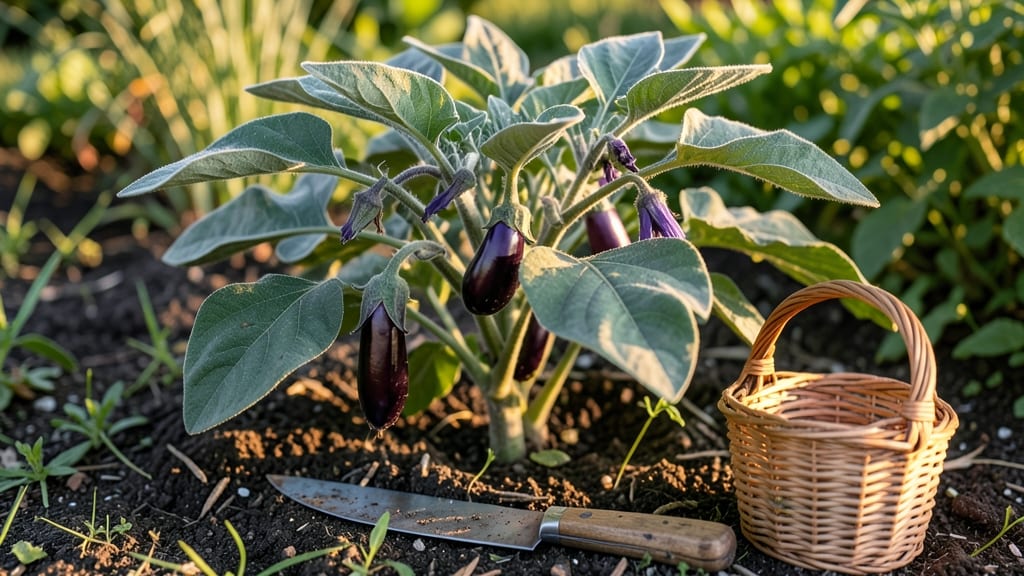
Knowing when to pick eggplant from your garden transforms a tough, seedy mess into a glossy, tender delight—so timing is everything.
Knowing the exact moment to harvest your eggplant can mean the difference between a tender, flavorful meal and a bitter, seedy disappointment—so how do you tell when it's truly ready? 🍆
Look for deep, even color (no green patches), a skin so firm it resists gentle pressure, and a stem that snaps cleanly when twisted. These cues signal peak ripeness, but climate and variety play a role too.
In this guide, I’ll walk you through the 5 key signs of ripe eggplant, how to adjust for your region, and what happens if you wait too long—so you never end up with overripe, mealy fruit again.
How to identify perfectly ripe eggplant using 5 key visual cues
Harvesting eggplant at the right moment transforms your garden bounty into a flavorful, tender culinary treasure. The key lies in mastering five visual cues that signal peak ripeness—color, size, skin texture, stem firmness, and even the fruit's weight.
Ignoring these signs often leads to bitter, seedy disappointment or mealy overripe flesh. Let's break down each clue so you can confidently pick your eggplants at their best.
First, observe the color intensity. A perfectly ripe eggplant should display a deep, uniform hue—whether that's classic dark purple, creamy white, or striped patterns. Pale patches or lingering green streaks mean it needs more time on the vine.
Pro tip: Glossy skin is another telltale sign of ripeness, indicating the fruit's natural sugars have fully developed.
Next, check the fruit size against your variety's expectations. Standard eggplants typically reach 4-6 inches long, while heirlooms like 'Rosa Bianca' can grow larger. If your eggplant is still growing rapidly or hasn't reached its expected dimensions, it's not ready yet.
Overlooking size often leads to underripe, tough flesh that lacks flavor.
Now for the skin texture test: Press your fingernail gently into the eggplant's surface. Ready-to-harvest fruit should feel firm and slightly resilient, almost like a ripe avocado.
If the skin dents easily or feels wrinkled or leathery, it's past its prime. This texture check is especially crucial in hot climates where eggplants can overripe quickly.
The stem test is a game-changer for precision harvesting. Gently twist the stem near the fruit—if it snaps cleanly with minimal resistance, your eggplant is perfectly ripe.
A stubborn stem suggests it needs more time, while a mushy stem signals overripeness. This method works for all varieties, from 'Black Beauty' to 'Ichiban'.
Finally, consider the fruit's weight. A ripe eggplant feels heavy for its size due to its concentrated flesh. Lift a few candidates to compare—if one stands out as noticeably heavier, that's your winner. This cue helps distinguish between fully mature fruit and those still bulking up on the vine.
Here's a quick reference to tie all these cues together:
<summary-table>| Cue | Ready Eggplant | Not Ready |
|---|---|---|
| Color | Deep, uniform hue | Pale patches/green streaks |
| Size | 4-6" (varies by type) | Smaller than expected |
| Skin Texture | Firm, glossy surface | Wrinkled or soft |
| Stem Test | Snaps cleanly when twisted | Resists or feels mushy |
| Weight | Heavy for its size | Light and hollow-sounding |
Avoid these common harvesting mistakes that ruin your eggplant's potential. First, never harvest based solely on days after planting—varieties mature at different rates. Second, don't wait until the fruit stops growing entirely; by then it's often overripe.
Third, resist the urge to harvest when the skin starts developing wrinkles or cracks, as this indicates dehydration and poor quality.
For best results, harvest in the morning when temperatures are cooler. Use a sharp knife or pruning shears to cut the stem, leaving about 1 inch of stem attached to preserve freshness.
Store harvested eggplants in a cool, dark place for up to a week, though they're best used immediately for peak flavor.
Remember that regional climate affects ripening times. In hot southern climates, eggplants may ripen 2-3 weeks faster than in cooler northern zones. Pay attention to your local growing conditions and adjust your expectations accordingly. With these visual cues mastered, you'll consistently harvest eggplants at their peak flavor and texture.
Pro tip: Keep a harvest journal to track which varieties ripen fastest in your garden. Note the color variations, sizes, and days to maturity for each type. This personalized data will become your secret weapon for perfectly timed harvests year after year.
Best harvesting times for eggplant varieties: purple vs. white vs. green
Not all eggplants ripen at the same time, and their harvest windows can vary dramatically based on color variety and climate conditions. Purple varieties like 'Black Beauty' often mature earlier than white or green types, but heat and daylight hours can shift these timelines by 1-2 weeks.
Understanding these differences ensures you avoid bitter, underripe fruit or seedy, overripe disappointment.
Your local climate plays a critical role—cooler regions may delay ripening by 2-3 weeks, while hotter zones can speed it up. For example, 'Rosa Bianca' (white) thrives in longer daylight but needs consistent warmth, while 'Ichiban' (green) matures faster in short-season gardens.
Always adjust your harvest expectations based on your USDA zone and weather patterns.
Comparison Table: Harvesting Times by Eggplant Variety
For purple varieties like 'Black Beauty', aim to harvest when the skin is deep, glossy purple and the fruit feels heavy for its size. In hot climates, these may ripen in as few as 70 days, while cooler zones might extend this to 85 days.
Always check for wrinkled skin—a sign it’s overripe and past its prime.
White eggplants like 'Rosa Bianca' often take longer to mature, so don’t rush the harvest. Wait until the color is fully white (not pale) and the stem snaps cleanly when twisted.
In short-season gardens, prioritize these varieties for late-summer planting to maximize their potential. Green varieties like 'Ichiban' are your fastest option, perfect for early harvests or container growing.
Pro tip: Use a sharp knife or pruners to avoid damaging the plant. Cut the fruit 1 inch above the stem to prevent disease from entering the wound. Store harvested eggplants in a cool, dark place (like a paper bag) for up to 5 days to preserve freshness.
If you’re unsure, harvest a small sample first to test flavor and firmness.
🌱