
Planting
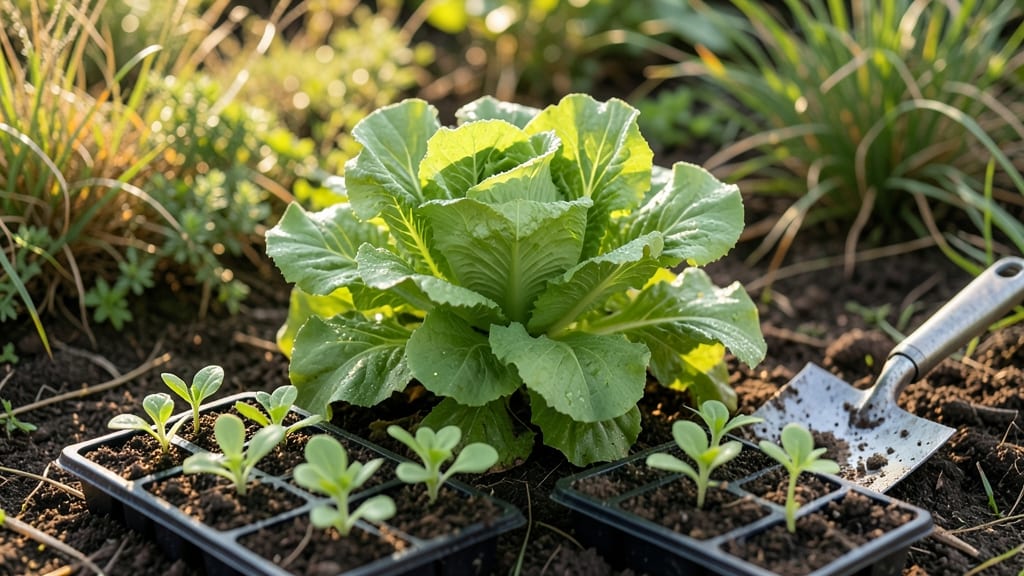
Planting a garden in spring means waiting for the last frost date—or risking your seedlings becoming a sad, icy snack.
Timing your garden planting perfectly can mean the difference between a thriving harvest and wasted seeds, so knowing your state’s last-frost date is non-negotiable. But with freezing temperatures varying wildly across the U.S., where do you even start?
In USDA Zone 6a, like much of the Midwest and Northeast, your best window is April to May—but that’s just the start. Soil temperature, microclimates, and even the type of plants you’re growing can shift those dates by weeks.
Below, I’ll break down the exact frost-free timeline for your region, when to start seeds indoors vs. direct-sowing outdoors, and how to adjust for late frosts or early heat. No more guessing—just a foolproof plan for your 🌱 garden.
Exact last-frost dates by state: the ultimate planting timeline guide
Understanding your last-frost date is the first step to a successful garden. These dates mark when the risk of frost drops below 25%, making it safe to plant warm-season crops like tomatoes and peppers.
But since frost patterns vary wildly—from March in Florida to June in Alaska—you can’t rely on general rules. Below, I’ve broken down exact last-frost dates by state, including USDA zone adjustments and regional exceptions to help you plan with confidence.
For cool-season crops like lettuce and peas, you’ll want to plant 4-6 weeks before your last frost. Warm-season plants, however, need to wait until after the last frost.
Use this guide to align your planting with your local climate, and check the interactive map (linked at the end) for real-time updates. Even within a single state, frost dates can shift by weeks—so always verify with local weather sources!
Here’s a state-by-state breakdown of last-frost dates, including USDA zones and key exceptions. I’ve also highlighted regional microclimates where frost dates differ significantly from the state average.
For example, mountainous areas in Colorado may experience frost 2-3 weeks later than the plains, while coastal regions like California’s Central Valley can be frost-free months earlier than inland zones.
🌱
How to adjust planting times for your microclimate (even if you’re not in the ‘average’ zone)
Your USDA zone gives you a starting point, but urban heat islands, mountain valleys, or coastal breezes can shift your last-frost date by weeks.
If you’ve ever planted tomatoes too early only to see them fried by a heatwave—or waited too long and missed your harvest window—you’re not alone. The key is understanding how your local microclimate tweaks the "average" planting calendar.
Most gardeners rely on frost-free calculators, but these tools often assume a typical rural setting. Cities can be 10°F warmer than surrounding areas, while high-altitude spots may experience frost even in summer.
Adjusting for these factors means the difference between bountiful yields and wasted seeds. Let’s break down how to fine-tune your planting schedule for your unique conditions.
- Urban Heat Islands: Plant warm-season crops like peppers and eggplants 2-3 weeks later than zone averages. Use shade cloth to protect seedlings.
- High-Altitude Gardens: Extend your growing season with row covers or cold frames. Start cool-season crops like kale 4 weeks earlier.
- Coastal Regions: Expect delayed frost in fall. Plant heat-loving crops like okra 1-2 weeks later than inland areas.
- Frost Pockets: Move tender plants to warmer microclimates (e.g., near south-facing walls) or use black plastic mulch to warm soil.
- Soil Temperature Tricks: Use a soil thermometer—most seeds need 60°F+ for germination, not just frost-free dates.
One of the easiest ways to adjust is by hardening off your seedlings. If your microclimate has unpredictable temperature swings, gradually expose plants to outdoor conditions over 7-10 days.
Start with 2 hours of sun and work up to full exposure. This helps tender plants like basil or cucumbers withstand cooler nights or hot afternoons.
For urban gardeners, consider container gardening to control soil temperature. Dark-colored pots absorb heat faster, while light-colored ones reflect it. If you’re in a heat island, elevate containers to prevent root rot from overheating. Drip irrigation can also help maintain consistent moisture without stressful evaporation.
Don’t overlook fall planting in mild microclimates. Many cool-season crops, like spinach or radishes, thrive when planted 6-8 weeks before your first frost. Use a frost calendar that accounts for your local chill hours—some areas may have longer frost-free periods than official records suggest.
Pro tip: Keep a gardening journal for at least 3 years to track your local variations. Note when frost hits, how long heatwaves last, and which plants thrive in your microclimate.
Over time, you’ll spot patterns that zone maps miss—like that tomato plant that always survives a late frost because it’s near the brick wall.