
Planting
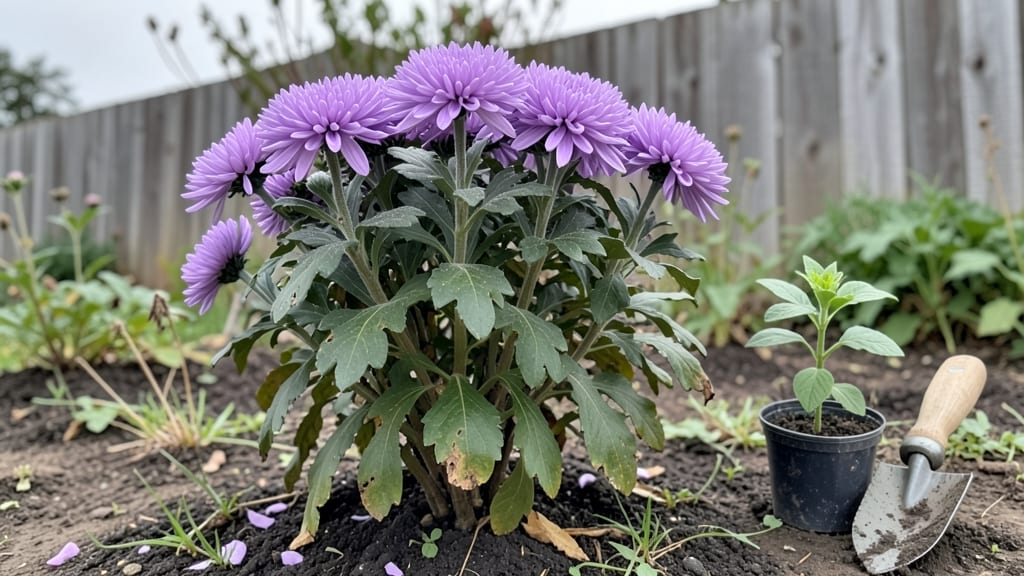
Planting garden mums in the ground is possible with the right timing and soil conditions: choose late spring or early fall for transplanting, use well-draining soil with organic matter, and ensure full sun exposure for vibrant blooms. Avoid planting too early in warm climates to prevent bolting.
Garden mums thrive outdoors when given the right balance of environmental conditions, particularly in regions with distinct seasonal changes. 🌿 In warmer climates, transplanting too early can trigger premature flowering—known as bolting—which diverts energy from root establishment.
Meanwhile, cooler zones benefit from fall planting, allowing roots to settle before winter dormancy. I’ve found that amending soil with compost and ensuring proper drainage makes all the difference in preventing root rot or nutrient deficiencies.
Full sun exposure is non-negotiable for vibrant blooms, but the soil’s composition plays an equally critical role. A slightly acidic pH between 6.0-6.5 and a mix of organic matter—like aged manure or leaf mold—helps retain moisture while preventing compaction.
For container growers, adding perlite to the mix improves aeration, though in-ground plantings should avoid heavy clay soils.
💡 In This Article
- Optimal Planting Seasons for Garden Mums Outdoors
- Soil and Sun Requirements for Thriving Garden Mums
Optimal planting seasons for garden mums outdoors
Garden mums respond to temperature cues that trigger either dormancy or premature flowering. In USDA zones 3-7, the ideal window is late spring (after last frost) or early fall (6-8 weeks before first frost). This timing lets roots establish before summer heat or winter cold stresses the plant.
For example, in zone 5, where last frost typically occurs around May 15, planting by June 1 gives roots 6-8 weeks to grow before summer's peak.
The science behind this involves a plant hormone called vernalization, which prepares mums for dormancy. When planted too early in warm climates (zones 8-11), temperatures above 75°F trigger bolting—the rapid stem elongation that produces flowers before the plant is mature.
This happens because high temperatures inhibit root growth while accelerating flower development. In zone 9, where winters rarely drop below 30°F, bolting is common if planted before September 1.
Frost dates are your best guide for fall planting. In zone 4, where first frost arrives by October 15, aim to plant by August 15—this gives roots 6 weeks to establish before dormancy.
For zone 10, where frost is rare, focus on late summer (August-September) to avoid heat stress. Mulching with 2-3 inches of straw or wood chips helps regulate soil temperature and retain moisture during these critical periods.
Cold-hardy varieties like 'Autumn Joy' or 'Pembroke' can handle zone 3 winters, but they still need fall planting. The key is to transplant when soil temperatures drop below 70°F but remain above 50°F.
This balance prevents shock while allowing roots to harden off. In zone 7, where winters are mild but summers are hot, planting in early October avoids both bolting and heat stress.
What most gardeners miss is how soil temperature affects germination. Mums prefer soil between 60-70°F for root development. In zone 8, where soil stays warm year-round, planting in late summer (when daytime highs drop below 85°F) gives roots a fighting chance.
Use a soil thermometer to monitor—roots grow best when soil temps stay below 75°F for extended periods.
For year-round blooms, stagger plantings: spring for summer color, fall for autumn displays. In zone 5, I’ve seen mums planted in late May bloom by July 15, while fall plantings in September produce flowers by October 1.
The secret? Consistent moisture and balanced fertilizer (10-10-10) applied every 4-6 weeks during the growing season. 🌸