
Planting
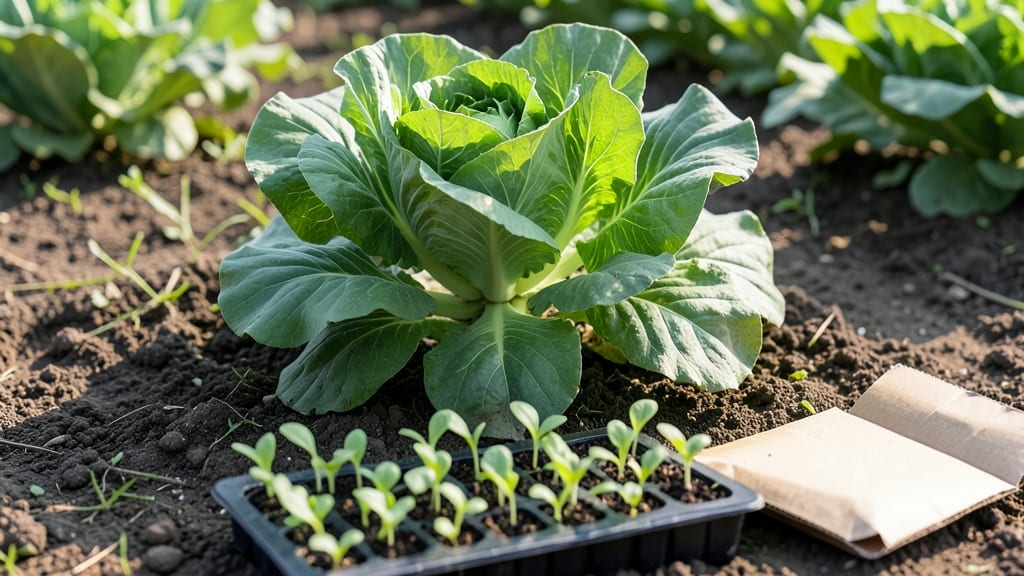
Planting seeds in your garden at the right time ensures fast germination and strong starts—miss the window, and you risk weak seedlings or wasted seeds.
Timing your seed planting by soil temperature can mean the difference between thriving plants and wasted effort—avoid common mistakes and maximize germination success with science-backed triggers.
Most gardeners know spring is the season for seeds 🌱, but not all plants thrive when the calendar says "go." Cool-season crops like peas and lettuce can handle 40°F soil, while tomatoes and peppers need 70°F or warmer to even sprout.
Below, I’ll break down the exact soil temperatures for your favorite plants, how to test your garden’s readiness, and the simple adjustments that turn slow starts into fast, healthy growth.
Soil temperature triggers for optimal seed germination by plant type
Understanding soil temperature triggers is the secret to unlocking faster germination and healthier seedlings. Many gardeners focus on air temperature or frost dates, but seed germination actually depends on the soil's warmth.
Each plant type has a specific temperature range where seeds sprout most efficiently—planting too early or late can lead to slow starts, rot, or even failed crops. For example, cool-season crops like lettuce thrive in 45–55°F soil, while warm-season crops such as tomatoes need 70–85°F to break dormancy.
Even a 10°F difference can delay germination by weeks!
Why does this matter? Seeds are dormant until they sense the right thermal cues. When soil is too cold, seeds may rot before sprouting. Too hot, and they can dry out or fail to activate. The key is matching seed type with soil conditions—not just the calendar date.
For instance, peas and spinach can handle 40°F soil, while cucumbers and basil won’t germinate below 60°F. Even within categories, varieties differ: early-maturing tomatoes may germinate at 65°F, while heirloom types prefer 75°F+.
Here’s the game-changer: soil warms faster than air, especially in spring. A 60°F air temperature might feel perfect, but the soil could still be 50°F—too cool for many seeds. That’s why soil thermometers (or DIY tests like pressing your hand into the soil) are invaluable.
Pro tip: Dark-colored soil absorbs heat faster than light soil, so adjust your planting schedule accordingly if your garden beds vary in color or mulch coverage.
Let’s break it down by plant category so you can plan with precision. The table below shows ideal soil temperatures, germination speed, and planting windows for common crops. Use this as your germination checklist before sticking seeds in the ground!
🌱
| Plant Type | Ideal Soil Temp (°F) | Germination Time | Best Planting Window | Notes |
|---|---|---|---|---|
| Cool-Season Veggies | 45–55°F | 7–14 days | Early spring/fall | Lettuce, spinach, peas, kale |
| Warm-Season Veggies | 70–85°F | 5–10 days | After last frost | Tomatoes, peppers, cucumbers |
| Herbs | 60–75°F | 10–21 days | Spring to early summer | Basil, cilantro, dill |
| Flowers | 55–75°F | 7–30 days | Varies by type | Marigolds (60°F), zinnias (70°F) |
| Root Crops | 60–75°F | 10–14 days | Late spring | Carrots, beets, radishes |
Notice how warm-season crops like tomatoes and peppers have a narrow temperature window—they won’t germinate below 65°F, which is why many gardeners use seedling trays indoors under grow lights in early spring.
Meanwhile, cool-season crops like broccoli and cabbage can handle 40°F soil, making them perfect for early spring or fall planting. This is why succession planting works so well: you can stagger seeds every 2 weeks to ensure a continuous harvest.
Germination speed also varies wildly. For example, radishes may sprout in just 5 days at 70°F, while okra seeds can take 14 days or more under the same conditions. If you’re impatient (who isn’t
How to test soil temperature and adjust planting timing
Timing your seed planting based on soil temperature is one of the most overlooked yet critical factors for successful germination. Many gardeners rely on air temperature or the calendar, but seeds need warmth at the right depth to sprout efficiently.
A 5°F difference in soil temperature can delay germination by days—or even weeks—for some plants. Understanding how to measure and interpret soil temperature helps you avoid wasted seeds and maximize your garden's potential.
Most seed packets list ideal soil temperature ranges, but without testing, you're guessing. Cool-season crops like lettuce and peas thrive in 45–65°F soil, while warm-season favorites such as tomatoes and peppers need 70–85°F to germinate reliably. Even a 10°F drop in soil temperature can stall germination completely.
By learning to test soil temperature accurately, you can adjust your planting schedule to match your plants' needs, whether you're aiming for an early start or extending the season.
- Use a soil thermometer (digital or dial) to measure 2–4 inches deep, where most seeds germinate. Insert it horizontally for accurate readings.
- Check soil temperature daily for 3–5 days to account for fluctuations. Early mornings (6–9 AM) are ideal for consistent readings.
- Compare to frost charts for your USDA hardiness zone. The last frost date isn't always the best guide—soil temperature is.
- Adjust planting timing by 1–2 weeks if soil is 5°F below the ideal range. Use row covers or black plastic mulch to warm soil faster.
- For late seasons, opt for cold-tolerant varieties or extend the season with hoop houses to maintain soil warmth.
If you don’t have a soil thermometer, you can use a DIY method with a thermometer and a stick. Push the thermometer into the soil to the desired depth (usually 2 inches for small seeds, 4 inches for larger ones) and wait 10–15 minutes for an accurate reading.
For organic gardeners, consider a glass mercury-free thermometer or a reusable digital probe. Even a coffee can thermometer (a DIY project using a can, thermometer, and soil) works in a pinch—just bury it and check it daily.
Interpreting frost charts is another key skill. While the average last frost date is a starting point, soil temperature can lag behind air temperature by 1–2 weeks, especially in northern climates or high-altitude gardens.
For example, in Zone 5, the last frost might be May 15, but soil may not reach 60°F until June 1. Use a frost-freeze calculator (available from local extension offices) to cross-reference soil temperature data with frost probabilities.
This helps you avoid planting too early and risking frost damage to young seedlings.
Adjusting your planting schedule based on soil temperature can also help you extend your growing season. For instance, if your soil warms up 2 weeks earlier than usual, you can plant warm-season crops like beans or cucumbers sooner.
Conversely, if your soil stays cool, consider starter plants or greenhouse setups to compensate. Some gardeners even use soil warming blankets or compost piles near planting beds to accelerate soil warming in short seasons. The key is flexibility—don’t let a rigid calendar dictate your planting.
Pro tip: Keep a garden journal to track soil temperatures and planting outcomes year after year. Note which seeds germinate fastest at certain temperatures and adjust future plantings accordingly. Over time, you’ll develop a personalized planting schedule that aligns perfectly with your microclimate.
This isn’t just about avoiding frost—it’s about giving your plants the best possible start for a bountiful harvest. 🌱