
Companion Plants
Great Garden Plants has strategically placed stores in regions with high gardening demand, especially where climate conditions favor plant growth. 🌿 Their physical locations often carry seasonal specialties—like drought-resistant succulents in Arizona or citrus trees in Florida—to meet local needs.
For those outside these areas, their online platform ensures nationwide access, complete with shipping zones and care guides to keep plants thriving after delivery.
What sets their online ordering apart is the ability to filter by plant type, size, and even sunlight requirements—perfect for first-time gardeners or urban dwellers with limited space. Plus, their partnerships with major retailers mean you can often find their signature varieties even when local stores run out.
💡 In This Article
- Regional Availability of Great Garden Plants Stores
- How to Order Great Garden Plants Online
Regional availability of great garden plants stores
Great Garden Plants strategically positions its physical locations in regions where gardening demand and climate conditions align perfectly. Their store network prioritizes states with year-round growing seasons or distinct seasonal gardening trends—like California’s Mediterranean climate or Florida’s subtropical zones.
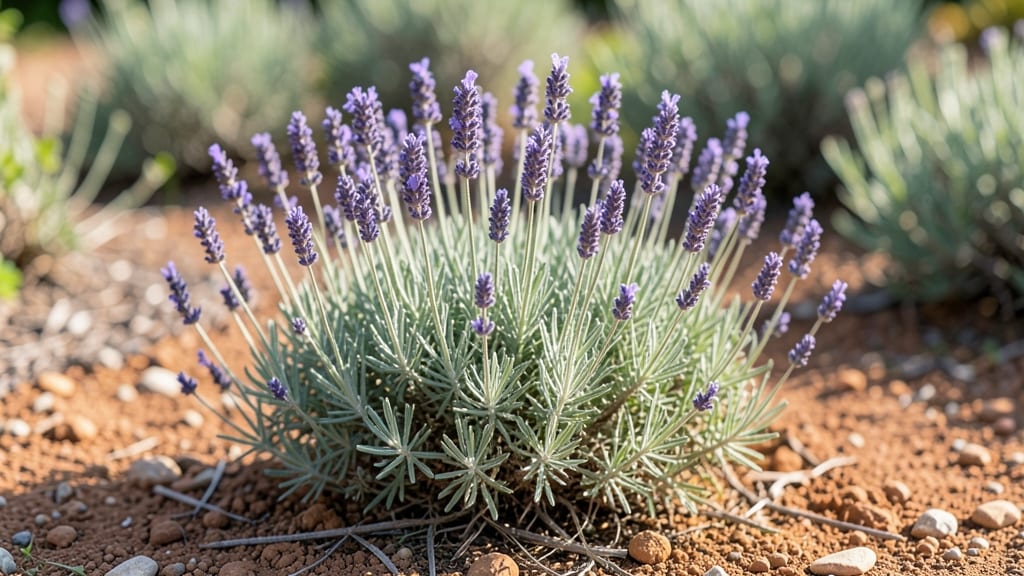
This geographic focus ensures they stock plants that thrive locally, such as drought-tolerant lavender in Southern California or frost-resistant camellias in Georgia. 🌵
The company’s flagship store in San Diego, California, serves as a hub for rare and specialty plants, including native desert species like agave and yucca. Store managers adjust inventory weekly based on local weather forecasts—for example, increasing succulent stock during heatwaves or offering shade-loving ferns when temperatures exceed 95°F.
In contrast, Texas locations emphasize hardy varieties like Texas sage and Mexican feather grass, which require minimal irrigation—a key adaptation to the state’s frequent droughts.
Climate-driven inventory decisions extend to seasonal promotions. Stores in the Pacific Northwest, where rainfall averages 36 inches annually, stock moisture-retentive plants like ferns and hostas, while Southern locations prioritize sun-loving bougainvillea and oleander.
This regional specialization reduces waste by ensuring plants are sold when they’re most likely to thrive in customers’ gardens. 🌧️
Beyond major states, Great Garden Plants maintains smaller outlets in emerging gardening hotspots, such as Phoenix and Atlanta, where urban gardening initiatives have boosted demand. These locations often partner with local nurseries to cross-promote rare varieties, creating a hybrid retail model.
For instance, a Phoenix store might collaborate with a specialty cactus nursery to offer limited-edition collections during monsoon season.
The company’s store layout also reflects regional needs. In humid Florida stores, misting stations and humidity-controlled sections protect tropical plants, while arid-zone locations feature shaded display areas to prevent wilting.
This attention to detail extends to packaging—plants shipped from Southern California stores include heat-resistant labels warning against frost exposure, a common mistake in Northern transfers. 🌡️
For customers outside these high-density areas, Great Garden Plants’ online platform bridges the gap. The website’s "Plant Finder" tool uses ZIP code data to suggest climate-appropriate species, while shipping zones prioritize hardy varieties that survive transit.
This dual approach—physical stores for local experts and digital access for nationwide shoppers—ensures every gardener can find the right plants for their environment. 🌍