
Landscaping
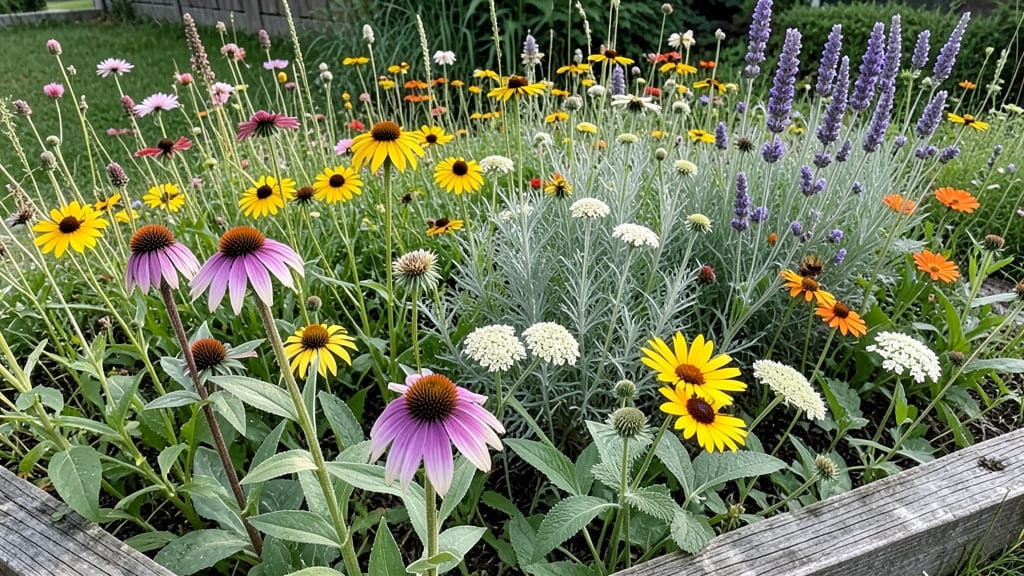
Designing a wildflower garden that buzzes with life and never stops blooming feels like unlocking a secret language between plants and pollinators. 🌸 I’ve watched my own garden transform from a patch of grass into a humming, fluttering ecosystem where bees, butterflies, and hummingbirds outnumber the weeds—and it all starts with the right plant choices and layout.
The magic lies in mixing native wildflowers that bloom at different times, creating a year-round show while keeping maintenance low. You’ll need a sunny spot (at least 6 hours of light daily), some well-draining soil, and a mix of tall, medium, and low-growing varieties to layer the look.
The best part? Once established, these gardens thrive on rainwater alone and require minimal fuss.
Imagine waking to vibrant purple coneflowers in summer, followed by goldenrod in fall, then winter’s surprise of bright white hellebores pushing through snow. Your garden won’t just look stunning—it’ll become a lifeline for struggling pollinators, with flowers providing nectar from spring through frost.
Whether you’re working with a small urban patch or a half-acre field, the principles stay the same: prioritize natives, vary heights, and let the wildflowers do the heavy lifting. Ready to turn your yard into a pollinator paradise? Here’s how to start.
📚 In This Guide
- What you need
- Instructions
- Tips and common mistakes
- Wrapping up and next steps
What you need
- ● Wildflower seeds: Choose a mix suited to your climate (e.g., Native Wildflower Blend for pollinators). Aim for 1–2 lbs per 100 sq ft.
- ● Soil: Well-draining, native soil or a blend of topsoil and compost (2–3 inches depth). Test pH (aim for 6.0–7.0).
- ○ Mulch (optional but helpful): Straw or shredded leaves (1–2 inches) to retain moisture and suppress weeds.
- ● Drip irrigation or soaker hose: 10–20 ft (adjust based on garden size) for consistent watering.
- ● Garden stakes or labels: 50+ (biodegradable preferred) to mark seed rows.
- ● Garden fork or tiller: For loosening soil (rent if needed).
- ● Rake: Medium-tooth for leveling soil.
- ● Hand trowel: For planting individual seeds or dividing clumps.
- ● Hose with adjustable nozzle: For gentle watering.
- ● Gloves & knee pads: Comfort is key!
- ● Rocks or edging: To define borders and deter foot traffic.
- ● Bird feeders or baths: Pair with wildflowers for a full ecosystem!
- ● Wildflower seed paper: For creative planters or hanging installations.
- ● Pollinator-friendly additives: Like bee balm or milkweed for extra biodiversity.
Step-by-Step wildflower garden design for a thriving pollinator paradise
Designing a wildflower garden that blooms all season requires strategic planning—here’s how to create a lush, low-maintenance haven for bees and butterflies.
🌱 Step 1: Choose a Sunlit Site and Prepare the Soil
Select a location with at least 6 hours of direct sunlight daily—most wildflowers thrive in full sun. Avoid low-lying areas where water pools, as soggy soil invites rot. I always clear weeds and debris first, then loosen the top 6 inches of soil with a garden fork to improve drainage and root penetration.
Wildflowers adapt to poor soil, but they perform best in well-draining, slightly rocky ground. If your soil is heavy clay, mix in 1-2 inches of coarse sand or compost to lighten it. Skip fertilizers—wildflowers rely on natural soil ecosystems, and too much nitrogen produces leafy growth at the expense of blooms.
🌿 Step 2: Select Diverse Wildflower Seeds for Season-Long Blooms
For year-round color, combine early, mid, and late-season bloomers. I plant 50% native wildflowers (like black-eyed Susan or coneflower) for pollinators, plus 30% annuals (cosmos or zinnias) for quick summer color, and 20% perennials (like bee balm) for long-term structure. Spread seeds thinly—¼ pound per 100 square feet—since wildflowers self-seed aggressively.
Mix seed sizes to create a natural, textured look. Larger seeds (like sunflower) go ¼ inch deep, while tiny wildflower seeds (like poppy) need only a light press into the soil. Water gently with a fine mist to avoid displacing seeds. Avoid heavy watering until germination, which typically takes 7-14 days depending on species.
☀️ Step 3: Arrange for Pollinator Pathways and Height Variation
Design clusters of 3-5 plants per species in groups of 10-12 inches wide, spaced 12-18 inches apart for mature growth. Taller varieties (like goldenrod) go in the back, medium-height (like yarrow) in the middle, and low-growing (like clover) in the front. This creates visual layers and ensures pollinators can navigate easily.
Leave bare soil patches between clusters—some wildflowers, like lupine, prefer open ground. Mulch only with straw or leaf litter (no wood chips, which can smother emerging seedlings). Water deeply once weekly until plants establish roots (4-6 weeks), then reduce to every 10-14 days unless drought strikes.
✂️ Step 4: Maintain with Minimal Intervention
Deadhead spent blooms in late summer to encourage a second flush of flowers, but leave some seed heads for winter interest and food for birds. I avoid mowing until late fall, when most seeds have dispersed. If weeds take over, spot-treat with vinegar or hand-pulling—never herbicides, which harm pollinators.
Divide overcrowded perennials every 3-4 years in early spring. Wildflowers are resilient, but their vigor fades if left unchecked. Watch for aphids or powdery mildew—spray with neem oil if needed, but most pests stay away when diversity is high.
🪴 Step 5: Extend the Season with Strategic Additions
For early spring color, scatter wildflower seeds in fall so they germinate with cooler temps. In late summer, add annuals like marigolds for a burst of nectar before frost. I also include evergreen ground covers (like creeping thyme) to provide winter shelter for beneficial insects.
By next year, your garden will self-sustain with fewer inputs. The key is patience—wildflowers reward long-term care with low-cost beauty and a buzzing, thriving ecosystem.
Tips & tricks for wildflower garden design
Creating a thriving pollinator paradise takes more than just tossing seeds—these insider tips will help you avoid common pitfalls and maximize your garden's impact.
Soil Preparation Secret: In Step 1, when loosening that top 6 inches of soil, don't overwork it—wildflowers prefer loose, aerated soil but don't need deep tilling. I use a garden fork to gently break up compacted areas while leaving the natural soil structure intact. This mimics their native growing conditions and prevents soil compaction that can suffocate young roots. For clay-heavy soils, mix in that 1-2 inches of coarse sand or compost in vertical strips rather than spreading evenly—this creates drainage channels that prevent water pooling.
Seed Mixing Strategy: When combining your 50% native wildflowers, 30% annuals, and 20% perennials in Step 2, I recommend pre-mixing seeds in separate containers by size. Larger seeds like sunflower need that ¼-inch depth, while tiny poppy seeds should get just a light press. Pro tip: Add a pinch of flour to each seed type before mixing—it helps them stick together when scattering, preventing uneven distribution. This creates those natural, textured clusters you want to see in mature gardens.
Watering Wisdom: The once-weekly watering in Step 3 is crucial, but timing matters just as much. Water deeply in the early morning (before 9 AM) to allow foliage to dry quickly, reducing fungal risks. I use a soaker hose or drip irrigation to deliver water directly to the soil—this prevents seed displacement and ensures even moisture penetration. After those 4-6 weeks of establishment, you can gradually reduce to every 10-14 days, but always check soil moisture by pushing your finger 2 inches deep before watering.
Pollinator Pathway Enhancement: For Step 3's height variation, consider adding a "pollinator highway" through your garden by planting taller species like goldenrod along fence lines or property edges. This creates visual corridors that guide bees and butterflies through your space. I also leave those bare soil patches between clusters—many wildflowers like lupine actually prefer open ground, and these areas become microhabitats for ground-nesting bees. The key is balance: too much bare soil looks messy, but complete coverage can block beneficial insects from accessing the ground level.
Pro Tips for Wildflower Garden Design
- Creating a thriving pollinator paradise takes more than just tossing seeds—these insider tips will help you avoid common pitfalls and maximize your garden's impact.
- Soil Preparation Secret: In Step 1, when loosening that top 6 inches of soil, don't overwork it—wildflowers prefer loose, aerated soil but don't need deep tilling.
- Seed Mixing Strategy: When combining your 50% native wildflowers, 30% annuals, and 20% perennials in Step 2, I recommend pre-mixing seeds in separate containers by size.
Frequently asked questions
When is the best time to plant wildflowers?
The ideal time depends on your climate, but spring (after the last frost) or early fall (6-8 weeks before the first frost) are the sweet spots. Fall planting gives seeds time to establish roots before winter, while spring ensures blooms align with pollinator activity. For regions with mild winters, late winter can also work—just keep seeds moist until germination!
Will wildflowers attract pests like mosquitoes or ticks?
Not necessarily! Wildflowers attract beneficial pollinators (bees, butterflies, hummingbirds), which help control pests by promoting biodiversity. However, stagnant water (like unemptied birdbaths) can breed mosquitoes. Avoid overwatering and choose native, low-humidity wildflowers (e.g., lavender, coneflowers) to minimize unwanted critters.
How much water do wildflowers need?
Once established, most wildflowers are drought-tolerant—but they need consistent moisture during their first growing season. Water deeply 1-2 times per week (or when the top 1-2 inches of soil feel dry). After the first year, rainfall alone usually suffices! Mulch lightly to retain moisture and suppress weeds.
Can I mix wildflowers with other plants (like herbs or vegetables)?strong>
Wildflowers pair beautifully with companion plants like herbs (basil, thyme), vegetables (lettuce, carrots), and perennials (rosemary, sage). They enhance biodiversity, deter pests, and add color. Just avoid competitive species (e.g., invasive grasses) and ensure all plants share similar sunlight and water needs.
What if my wildflowers don’t bloom as expected?
Several factors could be at play:
- Insufficient sunlight: Most wildflowers need 6+ hours of sun daily.
- Poor soil: Amend clay or sandy soil with compost before planting.
- Over-fertilizing: Wildflowers thrive in low-nutrient soil—too much fertilizer can stunt blooms.
- Wrong species: Check your wildflower mix’s bloom time and hardiness zone.
Try deadheading spent blooms to encourage regrowth or reseed in fall for next year’s display!
Wrapping up and next steps
Designing a wildflower garden isn’t just about beauty—it’s about creating a thriving ecosystem that supports pollinators and brings joy year-round. 🌸 From selecting the right native species to planning for seasonal color, every step transforms your outdoor space into a vibrant, low-maintenance paradise.
Whether you’re a beginner or a seasoned gardener, the key is to start small, embrace imperfection, and let nature do the rest!
Ready to dive in? Sketch your design, gather your seeds, and watch your garden bloom with life! 🌿 Start with one section this season, and expand as confidence (and pollinators!) grow.