
Tools
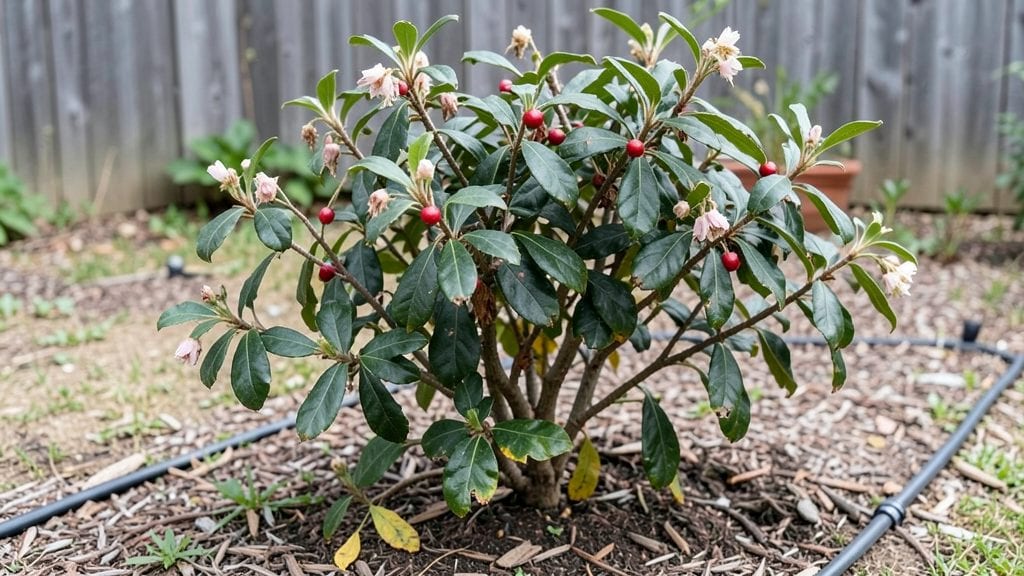
A winter garden in California isn’t just possible—it’s a game-changer for year-round color and harvests. 🌿 I’ve grown lush winter gardens in both coastal and inland regions, and the secret lies in choosing the right drought-tolerant plants that thrive when others sleep.
The key? Matching your microclimate—coastal areas stay mild, while inland valleys can dip into the 30s at night.
You’ll need cold-hardy vegetables like kale, carrots, and broccoli, plus flowers such as snapdragons and pansies that bloom when everything else fades. Soil prep is simple: add compost for moisture retention, and use row covers on frost-prone nights.
My coastal garden stays productive all winter, while inland gardens need a little extra protection—but the payoff is worth it.
By late fall, you’ll see vibrant green leaves and bright blooms where others see bare soil. The best part? These plants use less water than summer crops, making them perfect for California’s dry winters.
With the right setup, you’ll harvest fresh greens in December and enjoy flowers that brighten up gray days.
Whether you’re in San Francisco’s coastal fog or the Central Valley’s cooler nights, this approach works. Start with a small section, experiment with a few cold-hardy plants, and watch your winter garden transform into a lush, drought-smart oasis. Ready to try it?
📚 In This Guide
- What you need
- Instructions
- Tips and common mistakes
- Wrapping up and next steps
What you need
- ● Drought-tolerant plants: 5–10 California native perennials (e.g., Ceanothus, Manzanita, Salvia)
- ● 3–5 succulents/sedums (e.g., Agave, Echeveria, Dudleya)
- ● 2–3 evergreen shrubs (e.g., Toyon, Cleveland Sage, California Lilac)
- ● Soil amendments: 5–10 lbs compost or aged manure (for nutrient-rich soil)
- ● 2–3 lbs perlite/pumice (for drainage)
- ● Watering tools: 1 drip irrigation system or soaker hose (to conserve water)
- ○ 1 rainwater collection barrel (optional but eco-friendly!)
- ● Hardware & safety: 1 pruning shears (bypass-style for clean cuts)
- ● 1 garden gloves (heavy-duty for thorny plants)
- ● 1 mulch (3–4 inches of wood chips or gravel to retain moisture)
- ● 1 garden trellis (for climbing plants like Cleveland Sage)
- ● 2–3 native wildflower seeds (e.g., California poppies for seasonal bursts)
- ● 1 soil moisture meter (to track water needs precisely)
- ● 1 bird feeder (to attract pollinators and deter pests naturally!)
Step-by-Step instructions for designing a thriving winter garden in California
Here’s how to create a vibrant, drought-tolerant winter garden that blooms even in California’s mildest months.
🌱 Step 1: Select Drought-Tolerant Plants for Winter Resilience
Choose plants that thrive in 40-60°F temperatures and need minimal water. California natives like California poppies, lavender, and sage are perfect—they handle frost, repel pests, and require watering every 2-3 weeks once established. I always include pansies for winter color, as they bloom in cool weather and tolerate light frost.
Check each plant’s mature size to avoid overcrowding. For example, lavender stays compact at 2-3 feet wide, while sage can spread to 4 feet. Sketch a rough layout first to ensure all plants have room to grow without competing for water or nutrients.
🪴 Step 2: Prepare the Soil for Winter Planting
Amend your soil with 2-3 inches of compost to improve drainage and retain moisture. California’s winter rains can turn heavy clay into mud, so adding organic matter prevents compaction. Work the compost into the top 6 inches of soil, then level the bed with a rake.
If your garden has poor drainage, create raised beds or mounds to prevent waterlogging. I like to mound soil slightly in the center of the bed to help excess water drain away from plant roots during occasional winter downpours.
☀️ Step 3: Plant in Sunniest Spots for Winter Growth
Most winter-blooming plants need at least 6 hours of sunlight daily, even in cooler months. In California, south- or west-facing spots get the most winter sun. If you’re planting in containers, place them where they’ll catch morning sun to prevent evening chill.
Dig holes twice as wide as the root ball but only as deep as the container’s base. This encourages roots to spread rather than sit too deep, which can suffocate them. Water each plant deeply after planting to settle the soil and remove air pockets.
💧 Step 4: Water Strategically to Conserve Moisture
Water deeply once a week in most of California’s winter climates, but adjust based on rainfall. Stick your finger 1 inch into the soil—if it’s dry, water; if it’s moist, wait. Overwatering in winter can lead to root rot, especially in heavy soils.
Use drip irrigation or soaker hoses to deliver water directly to the roots. This method reduces evaporation and keeps foliage dry, which prevents fungal diseases like powdery mildew. Mulch with 2-3 inches of wood chips after watering to lock in moisture and regulate soil temperature.
✂️ Step 5: Maintain and Protect Through Winter
Remove dead or damaged foliage as needed, but avoid heavy pruning until spring. Winter is a time of dormancy for many plants, and pruning now can stimulate new growth that won’t survive cold snaps. Instead, focus on clearing debris around plants to prevent pests.
If frost is forecasted, cover tender plants like pansies or sweet peas with frost cloth the night before. Most California winters are mild, but a few degrees below freezing can still damage young growth. Remove the cloth the next morning once temperatures rise.
Tips & tricks for perfecting your California winter garden
A few simple strategies will help you create a stunning, low-maintenance winter garden that thrives in California’s unique climate.
The Temperature Factor: When selecting plants for your winter garden, remember that California’s coastal areas can experience temperatures dipping slightly below freezing, especially at night. While most winter-blooming plants tolerate light frost, I always err on the side of caution with pansies and sweet peas—these are my go-to tender plants that benefit from a light frost cloth when temperatures drop below 32°F. The 40-60°F range mentioned in Step 1 is ideal for most plants, but morning sun exposure (as noted in Step 3) helps warm the soil and protect against unexpected chills.
Soil Prep Secret: The 2-3 inches of compost mentioned in Step 2 is non-negotiable for winter planting. I like to add an extra ½ inch of compost if I’m planting in containers, as they dry out faster. For heavy clay soils common in many California regions, mix in 10% perlite or coarse sand to improve drainage. This prevents that dreaded winter waterlogging that can suffocate roots during occasional downpours. The key is creating a loose, airy soil that holds moisture without becoming soggy.
Sunlight Strategy: That 6 hours of daily sunlight requirement in Step 3 is crucial, but don't overlook the importance of morning sun specifically. South- or west-facing spots get the most winter sun, but if you're limited to north-facing areas, prioritize plants that tolerate partial shade like lavender or California poppies. I've found that containers placed on a sunny patio can actually get more consistent winter sun than ground beds, especially if they're elevated to catch reflected light from nearby walls.
Watering Wisdom: The once-a-week watering guideline in Step 4 works well for established plants, but newly planted winter gardens need more frequent attention. Water deeply every 3-4 days for the first 2-3 weeks after planting to help roots establish. The finger test mentioned (checking moisture 1 inch deep) is perfect—if the soil feels dry at that depth, it's time to water. For containers, you might need to water every 2 days since they dry out faster, especially with the 2-3 inches of wood chips mulch helping to retain moisture.
Pro Tips for Winter Garden California
- A few simple strategies will help you create a stunning, low-maintenance winter garden that thrives in California’s unique climate.
- The Temperature Factor: When selecting plants for your winter garden, remember that California’s coastal areas can experience temperatures dipping slightly below freezing, especially at night.
- Soil Prep Secret: The 2-3 inches of compost mentioned in Step 2 is non-negotiable for winter planting.
Frequently asked questions
What are the best drought-tolerant plants for a California winter garden?
Opt for native or Mediterranean plants like California wildflowers (e.g., Lupinus), succulents (e.g., Agave or Sedum), and drought-resistant shrubs like Toyon or Manzanita. These thrive with minimal water and add color even in cooler months. Pro tip: Group plants with similar water needs to simplify care!
When is the ideal time to plant a winter garden in California?
Plant cool-season crops (like kale, carrots, or pansies) in late summer to early fall (August–October) for a winter harvest. For perennials or shrubs, late fall (November–December) or early spring (February–March) works best. Avoid planting during heatwaves or frost warnings—check your local USDA zone (most of CA is Zone 7–10).
How often should I water a drought-tolerant winter garden?
Water deeply but infrequently—aim for 1–1.5 inches per week (including rainfall). Use drip irrigation or soaker hoses to reduce evaporation. Newly planted shrubs may need weekly watering for the first 2–3 months, but established plants often thrive on monthly deep waterings. Mulch (2–3 inches) retains moisture and suppresses weeds!
Can I still have flowers in a drought-tolerant winter garden?
Choose winter-blooming natives like California poppies, Lavender, or Ice Plant (Delosperma). Even succulents like Echeveria add texture. For annual color, try Sweet Alyssum or Pansies—they handle light frosts and add pops of purple, yellow, or white. Bonus: Deadhead spent blooms to encourage more flowers!
What pests should I watch for in a California winter garden?
Common culprits include aphids (on succulents/flowers), snails/slugs (in moist areas), and rodents (chewing young shoots). Use neem oil for soft-bodied pests or diatomaceous earth for slugs. Preventative tip: Keep your garden tidy—remove debris where pests hide!
What if my winter garden doesn’t thrive despite my best efforts?
Check these troubleshooting steps:
- Soil issues: Amend heavy clay with compost or sand.
- Over/under-watering: Stick to the 1–1.5 inch/week rule.
- Sun exposure: Some plants (like succulents) need full sun; others (e.g., Heuchera) prefer shade.
- Frost damage: Cover tender plants with frost cloth if temps drop below 28°F.
If problems persist, test your soil’s pH (CA’s native soil is often alkaline) and adjust with sulfur or lime as needed.
Wrapping up and next steps
Creating a stunning winter garden in California is all about embracing drought-tolerant plants that thrive in the season’s mild climate while adding vibrant color and texture.
Whether you’re a seasoned gardener or just starting, these tips and plant suggestions will help you craft a low-maintenance, water-wise oasis that blooms year-round—without compromising beauty. 🌿✨
Ready to transform your space? Start small—pick 2-3 plants from this guide, sketch a simple layout, and dive in! With the right tools and a little patience, your winter garden will become the envy of your neighborhood. Grab your gloves and get growing!