
Watering
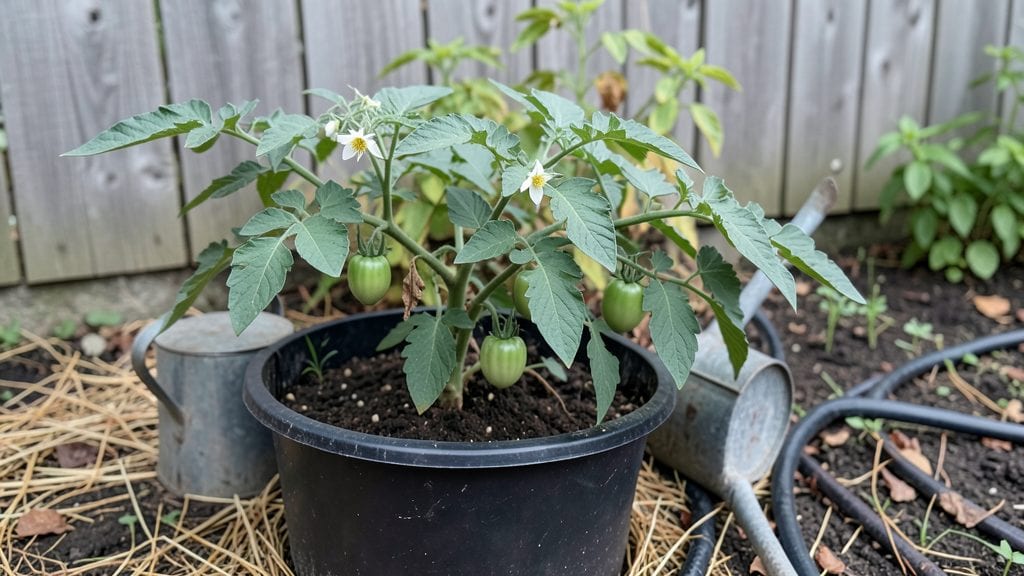
Watering your General Garden 🌱 while away doesn’t have to mean wilting plants and dead leaves when you return.
Leaving your garden unattended for a weekend trip—or even a week-long vacation—doesn’t mean your plants have to suffer. With the right automated watering systems, you can keep your garden thriving without lifting a finger.
Whether you’re heading out for a long weekend or a month-long getaway, the key is choosing a system that matches your garden’s needs and your travel plans. From budget-friendly DIY hacks to high-tech smart timers, there’s a solution that fits every gardener’s style and budget.
Below, I’ll walk you through the best ways to keep your General Garden hydrated, from simple manual tricks to fully automated setups that require zero effort on your part.
Best automated watering systems for traveling gardeners
When you're planning a trip, the last thing you want to worry about is your garden drying out. Automated watering systems are a game-changer for traveling gardeners, offering peace of mind and consistent care for your plants.
Whether you're gone for a weekend or a month, these systems deliver water precisely when your plants need it most. The key is choosing the right system based on your garden's size, your plants' needs, and how long you'll be away.
From drip irrigation kits to smart timers and self-watering pots, each option has its own strengths. For example, drip systems are perfect for large gardens, while self-watering pots are ideal for container plants.
Smart timers add flexibility, allowing you to adjust watering schedules remotely. Let’s break down the best options to keep your garden thriving while you're away.
| System Type | Best For | Setup Difficulty | Cost Range | Trip Duration | Key Features |
|---|---|---|---|---|---|
| Drip Irrigation Kit | Large gardens, veggies, flowers | Moderate (requires tubing) | $30-$150 | 3 days to 2 weeks | Precise watering, low evaporation, customizable zones |
| Smart Timer (e.g., Orbit B-Hyve) | All garden types, remote control | Easy (plug-and-play) | $50-$200 | 1 day to 1 month | Wi-Fi control, weather adjustment, battery backup |
| Self-Watering Pots | Container plants, herbs, small gardens | Very Easy (no setup) | $10-$50 per pot | 1 week to 3 weeks | Reservoir system, no electricity needed, portable |
| Soaker Hoses | Vegetable beds, flower beds | Easy (lay on soil) | $20-$80 | 3 days to 1 week | Slow water release, reduces runoff, simple setup |
| Ollas (Clay Pots) | Drought-tolerant plants, Mediterranean gardens | Moderate (bury pot) | $15-$40 each | 2 weeks to 1 month | Slow, deep watering, natural clay material |
If you're heading out for just a few days, a soaker hose or smart timer might be all you need. These options are affordable and easy to set up, making them perfect for short trips.
For longer vacations, consider a drip irrigation kit or self-watering pots. Drip systems are ideal for larger gardens, while self-watering pots are perfect for container plants like herbs or small vegetables.
For gardeners who love tech, smart timers are a fantastic investment. They allow you to control watering schedules remotely via an app, adjust for weather changes, and even include battery backups in case of power outages.
Brands like Orbit B-Hyve or Rachio offer reliable performance and user-friendly interfaces. The initial cost is higher, but the convenience and reliability make it worth it for frequent travelers.
One of the biggest advantages of automated systems is their ability to conserve water while keeping your plants hydrated. Unlike manual watering, which can lead to over- or under-watering, these systems deliver water efficiently.
For example, drip irrigation delivers water directly to the roots, reducing evaporation and runoff. This is especially important in hot climates or during dry spells.
Before setting up your system, test it for a few days to ensure it’s working correctly. Fill the reservoir or adjust the timer to match your garden’s watering needs.
For container plants, self-watering pots are a lifesaver—they hold enough water to last a week or more, depending on the plant type. For in-ground gardens, drip lines or soaker hoses will keep the soil moist without wasting water.
Don’t forget to mulch your garden before you leave. A
DIY solutions to water garden plants while away
When you're heading out of town, your garden doesn’t have to dry up while you’re gone. I’ve tested three no-tech, budget-friendly methods that work wonders for short trips—no electricity or fancy gadgets required.
The key is maximizing water retention while minimizing evaporation. Even succulents and drought-tolerant plants benefit from these tricks, though they’ll need less frequent watering.
My favorite go-to is the plastic bottle waterer, which I’ve used for everything from herb pots on my balcony to container tomatoes in my backyard. It’s free, reusable, and works for up to 2 weeks in moderate climates.
For larger garden beds, I bury clean milk jugs with holes near the base of plants. This method is surprisingly effective for vegetable gardens and flower beds because it delivers water directly to the roots where plants need it most.
Here’s how to set up each method—plus pro tips to extend watering time and protect your plants from wilting.
Plastic Bottle Waterer
Fill a 2-liter plastic bottle with water, flip it upside down, and poke 5-10 small holes in the cap. Bury the bottle neck-down near the plant’s roots, leaving the cap above soil level. Works best for small pots and containers.
Buried Jug Method
Cut the bottom off a clean plastic jug (like a milk or soda bottle) and poke 10-15 holes around the sides. Bury it 2-3 inches deep near the plant’s base. Fill it with water before leaving—this can last 3-5 days in hot weather.
Sponge Waterers
Soak a natural loofah or kitchen sponge in water, place it in a shallow container, and bury it near the plant. The sponge slowly releases moisture over 2-3 days. Great for seedlings and delicate herbs like basil or parsley.
Maximize Water Retention
Before leaving, mulch heavily with straw or shredded leaves to reduce evaporation. For potted plants, wrap the pots in damp burlap or a wet towel to keep roots moist longer.
For longer trips (1+ week), combine methods. Place a buried jug near thirsty plants like peppers or cucumbers, and add a plastic bottle waterer for smaller containers. Always water deeply 24 hours before leaving—this ensures roots are hydrated and can access stored moisture longer.
If you’re in a hot, dry climate, add a shade cloth over sensitive plants to cut evaporation by up to 30%. Even a lightweight row cover works.
And remember: succulents and cacti can survive 3-4 weeks without water if they’re already established, but give them a drink before you go just in case.
With these tricks, your garden will look just as lush when you return—no wilting, no brown leaves, just happy plants ready for your next gardening session. 🌱