
Planting
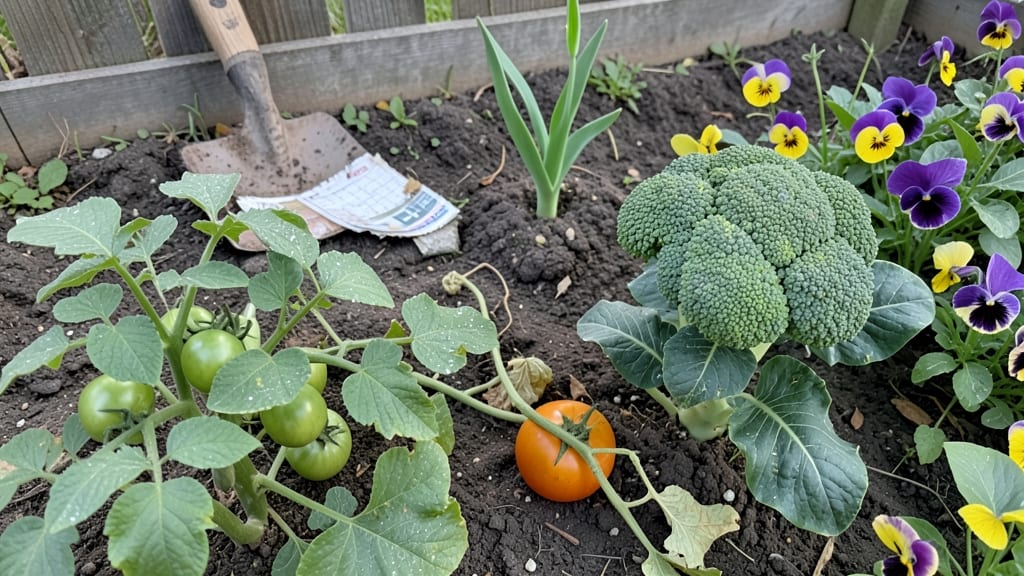
A Zone 7 gardening calendar organizes planting and maintenance tasks from late February's frost-free dates through November's first frost, coordinating cool-season vegetables like kale with warm-season favorites such as tomatoes. Microclimate variations and soil temperature adjustments are key to maximizing plant health and harvests.
A Zone 7 gardening calendar isn't just about dates—it's about understanding how your local climate influences what grows best.
For example, while the official last frost date is around March 15, microclimates in sheltered valleys might allow earlier planting of heat-sensitive crops like basil. Soil thermometers become your best friend here, as warm-season plants like peppers need soil temperatures above 60°F to germinate properly.
I've found that tracking these details can mean the difference between a thriving garden and one that struggles through inconsistent conditions. 🌱
This calendar also helps you plan for succession planting, where you stagger sowing seeds to ensure a continuous harvest. For instance, you might plant lettuce every 2-3 weeks from early spring through late summer, keeping your kitchen stocked with fresh greens.
The key is balancing your garden's needs with your own schedule—whether you're a weekend warrior or a daily gardener. Adjusting for your specific sub-zone (like Piedmont's humidity or Appalachian dryness) makes all the difference in plant vigor and pest management.
💡 In This Article
- Key Planting Phases in Zone 7’s Growing Seasons
- Monthly Zone 7 Garden Maintenance Checklist
Key planting phases in Zone 7’s growing seasons
Zone 7's planting calendar revolves around three critical temperature shifts: the last spring frost (typically March 15), summer heat waves that can exceed 90°F, and the first fall frost around November 1.
These transitions create distinct windows for cold-hardy crops (like broccoli and spinach) versus tender plants (such as tomatoes and cucumbers). The science here is all about plant hardiness zones—where a Zone 7 plant can survive down to 0°F to 10°F, but most vegetables need warmer conditions to thrive.
Spring planting begins when soil temperatures hit 50°F for cool-season crops, but wait until 60°F for warm-season favorites. I've noticed that peppers and eggplants often struggle if planted too early—they'll sit in cold soil and rot.
Summer heat waves (common in July-August) demand shade cloth or afternoon watering for lettuce and herbs, while tomatoes actually prefer the heat once established. Fall's cooling trend lets you replant cool-season crops like kale, which actually tastes sweeter after a light frost.
Succession planting is where timing becomes an art. For example, sowing bush beans every 2 weeks from May through July ensures a steady harvest, while vining peas benefit from a single early planting.
The key is matching seed packets' "days to maturity" with your frost dates—if a crop needs 60 days to harvest and your first frost is November 1, you've got a 120-day growing window for warm-season plants. This math prevents wasted effort on crops that won't mature before cold snaps.
Microclimates complicate things—south-facing walls can be 5-10°F warmer than open fields, allowing earlier plantings of heat-sensitive crops. I've extended my tomato season by 2 weeks using black plastic mulch, which warms soil faster than bare earth.
For perennials like asparagus, early spring's 40-50°F soil is perfect for root growth before summer heat sets in. The trick is observing your garden's specific patterns over multiple years.
Here's a quick reference for major planting phases:
- Early Spring (March-April): Cool-season crops (spinach, peas) when soil hits 50°F
- Late Spring (May): Warm-season starters (tomatoes, peppers) after last frost when soil is 60°F+
- Summer (June-August): Heat-tolerant crops (okra, sweet potatoes) with afternoon shade
- Fall (September-October): Second planting of cool-season crops (kale, radishes) for winter harvests
The most rewarding gardens I've seen use this phased approach—starting with frost-tolerant greens, transitioning to heat-lovers, then finishing with frost-sweetened fall crops. It's not just about dates; it's about understanding how each plant responds to temperature shifts throughout the year. 🌿