
Tools
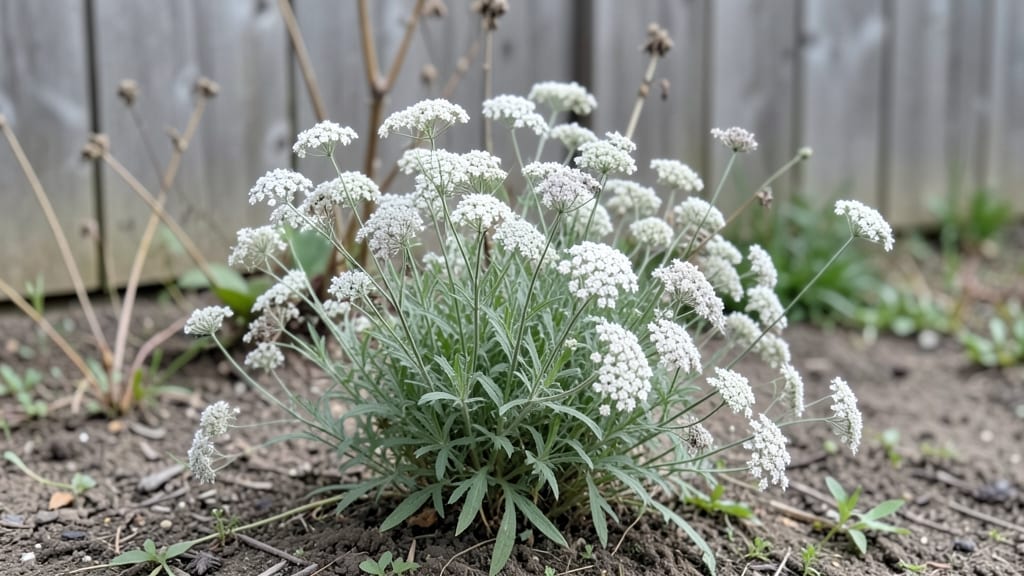
Creating a baby's breath garden transforms any space into a dreamy, ethereal retreat. ✨ These airy white blooms—Gypsophila—soften borders, fill gaps, and elevate bouquets with their delicate lace-like charm.
I’ve designed gardens where baby’s breath acts as the quiet star, letting other plants shine while it adds volume and movement.
The magic happens when you pair it right: deep purple salvias or dusty blue lavender make the white stand out, while tall grasses or roses let it cascade beautifully.
In wedding gardens, it’s the secret to lush, romantic arrangements that feel effortless. Even in modern designs, its light texture contrasts perfectly with bold foliage like hostas or heucheras.
You’ll love how baby’s breath thrives in full sun to partial shade, blooming from early summer through fall. It’s drought-tolerant once established, so it’s low-maintenance yet high-impact. The key is keeping it deadheaded—snip spent flowers to encourage nonstop blooms until frost.
Works in cottage gardens, wildflower meadows, or as a filler in cutting gardens. Whether you’re planning a wedding backdrop or a low-maintenance border, this plant delivers drama without the fuss. Let’s get those dreamy whites growing!
📚 In This Guide
- What you need
- Instructions
- Tips and common mistakes
- Wrapping up and next steps
What you need
- ● Baby’s breath seeds (Gypsophila spp.) – Choose heirloom varieties like 'Bristol Fairy' or 'Fountain' for best results.
- ● Potting soil or garden soil – Well-draining, enriched with compost (3-5 lbs per planting area).
- ● Seed-starting trays or small pots – 4-6 inch pots (6-12 units) for seedlings.
- ● Garden gloves – To protect your hands from soil and thorns.
- ● Watering can or spray bottle – For gentle, even moisture.
- ● Fertilizer – Balanced 10-10-10 or slow-release granules (1 tbsp per plant).
- ● Trowel or transplant tool – For digging and relocating seedlings.
- ○ Mulch (optional) – Straw or shredded bark to retain moisture.
- ● Sunlight – Full sun (6+ hours daily) for best blooms.
- ● Climate – Hardiness zones 3-9; cool-season plant (spring/fall).
- ● Space – 6-12 inches apart in beds or containers.
- ● Water access – Consistent moisture (avoid soggy soil).
- ○ Support (optional) – Small stakes for taller varieties in windy areas.
How to create a stunning baby's breath garden
Here's the simple approach I use to grow lush, airy baby's breath that transforms any garden into a dreamy, romantic space.
🌱 Step 1: Choose the Perfect Planting Location
Baby's breath thrives in full sun to partial shade, so pick a spot that gets at least 4-6 hours of sunlight daily. I always check the area first thing in the morning—if the ground is still damp, it's likely too shady. The plants need good airflow to prevent mildew, so avoid tight corners or heavily shaded spots.
Loosen the soil to a depth of 12 inches with a garden fork. Baby's breath prefers well-draining soil, so if your garden soil is heavy clay, mix in 2-3 inches of compost to improve drainage. The roots will spread easily, so space plants 12-18 inches apart in rows 18-24 inches apart.
🌿 Step 2: Plant Seeds or Transplants at the Right Time
For best results, start seeds indoors 8-10 weeks before the last frost date or sow directly in the garden after all danger of frost has passed. Baby's breath germinates best in 60-70°F soil, so if your spring is cool, wait until the soil warms up naturally.
Press seeds 1/4 inch deep into the soil, spacing them 6 inches apart. If using transplants, dig holes just deep enough to cover the roots without burying the stems. Water gently but thoroughly to settle the soil around the seeds or roots. You'll see seedlings emerge in 10-21 days, depending on temperature.
💧 Step 3: Water and Maintain for Lush Growth
Keep the soil consistently moist but not soggy—water when the top 1-2 inches of soil feel dry. Baby's breath is drought-tolerant once established, but young plants need regular watering. I water in the early morning to reduce evaporation and prevent fungal diseases.
Fertilize lightly with a balanced 10-10-10 fertilizer every 4-6 weeks during the growing season. Too much fertilizer leads to lush foliage but fewer flowers. Deadhead spent blooms regularly to encourage continuous flowering. You'll notice new buds forming within 2-3 weeks of deadheading.
✂️ Step 4: Prune and Shape for Fullness
After the first flush of flowers, trim back the stems by one-third to encourage bushier growth. Use clean, sharp pruners to make cuts just above a leaf node. This step is key to preventing leggy stems and ensuring a full, rounded plant.
If your baby's breath starts to flop or sprawl, gently tuck the stems back into place and secure them with small stakes or plant ties. Avoid heavy pruning late in the season—it can reduce winter hardiness. In fall, cut back the stems to 2-3 inches above the ground to prepare for dormancy.
☀️ Step 5: Enjoy and Extend the Season
Baby's breath is a great cut flower—harvest stems in the early morning when buds are just opening. Cut stems at a 45-degree angle and place them in water immediately to prolong vase life. You'll love how they add volume and texture to bouquets.
To extend the bloom time, mulch around the base of plants with 2-3 inches of organic mulch in early fall. This protects roots from temperature swings and keeps soil moist. With proper care, your baby's breath garden will reward you with delicate blooms from early summer through fall.
Tips & tricks for perfect baby's breath gardens
Creating a dreamy baby's breath garden takes a few key tricks to ensure those delicate blooms thrive all season long.
The Light Factor: Pay close attention to that 4-6 hours of sunlight requirement in Step 1. I've learned the hard way that even a little less sun can lead to sparse blooms. If your garden gets afternoon shade, position your plants to catch the morning sun instead—it's more intense and helps prevent mildew from evening moisture.
Soil Prep Secret: For that 12-inch soil depth you're loosening, don't just dig—amend the soil as you go. Mix in a handful of compost every 4 inches to ensure even drainage throughout. This prevents waterlogging at the bottom while keeping the top layers rich for root growth. Think of it like creating a fluffy pillow for your plants' roots.
Timing Tip for Germination: That 10-21 day window for seed emergence can feel like forever! To speed things up slightly, place a clear plastic dome or row cover over newly planted seeds. This creates a mini greenhouse effect that helps maintain that ideal 60-70°F soil temperature we want. Just remember to remove it once seedlings appear to prevent overheating.
Deadheading Strategy: When you're deadheading those spent blooms in Step 3, don't just snip the flowers—cut back to just above a set of healthy leaves. This encourages new growth from lower on the stem, giving you bushier plants with more blooming opportunities. I've found this simple adjustment can double my flower production over the season.
Pro Tips for Baby'S Breath Garden
- Creating a dreamy baby's breath garden takes a few key tricks to ensure those delicate blooms thrive all season long.
- The Light Factor: Pay close attention to that 4-6 hours of sunlight requirement in Step 1.
- Soil Prep Secret: For that 12-inch soil depth you're loosening, don't just dig—amend the soil as you go.
Frequently asked questions
Got questions about creating your own baby’s breath garden? Here are some of the most common ones—plus quick answers to help you grow these dreamy blooms with confidence!
How long does it take for baby’s breath to grow from seed?
Baby’s breath (Gypsophila) typically sprouts in 7–14 days when planted indoors, and you’ll see delicate flowers in 8–12 weeks under ideal conditions (full sun, well-draining soil). For faster results, opt for nursery starts—just plant them in early spring or fall for best success!
Why isn’t my baby’s breath flowering?
If your plants are tall but flowerless, they may need more sunlight (6+ hours/day) or regular deadheading to encourage blooms. Over-fertilizing (especially with nitrogen) can also delay flowers—use a low-phosphorus fertilizer instead. Check for pests like aphids, which can stress plants!
Can baby’s breath grow in containers or just gardens?
Baby’s breath thrives in containers (5+ gallons) with drainage holes, making it perfect for patios or balconies. Choose dwarf varieties like Gypsophila elegans for smaller pots. Just ensure they get bright light and aren’t crowded—space plants 6–12 inches apart for airflow.
What are some good alternatives if baby’s breath is hard to find?
If baby’s breath is unavailable, try these fluffy, airy fillers:
- Statice (Limonium): Drought-tolerant, long-lasting, and comes in vibrant colors.
- Lavender: Fragrant and drought-resistant (though slightly woody).
- Sweet Alyssum: Tiny white/purple blooms with a honey-scented bonus!
- Celosia: Adds bold texture and color for a modern twist.
Are baby’s breath plants toxic to pets or kids?
Great news: Baby’s breath is non-toxic to cats, dogs, and humans! It’s safe for curious kids and pet-friendly, though always monitor chewing. Just ensure no pesticides (even organic ones) are used if pets nibble on leaves. Always double-check with your vet if you’re unsure.
Wrapping up and next steps
Creating a baby’s breath garden is a rewarding journey that adds ethereal beauty to any space. Whether you’re a seasoned gardener or just starting, these delicate lace flowers bring a touch of elegance and softness to your floral arrangements. 🌸
Now that you’re armed with the right knowledge, it’s time to plant, nurture, and enjoy your garden! Start with a small patch, experiment with companion plants, and watch your vision come to life. Happy gardening—your future bouquets will thank you! 🌿✨