
Flowers
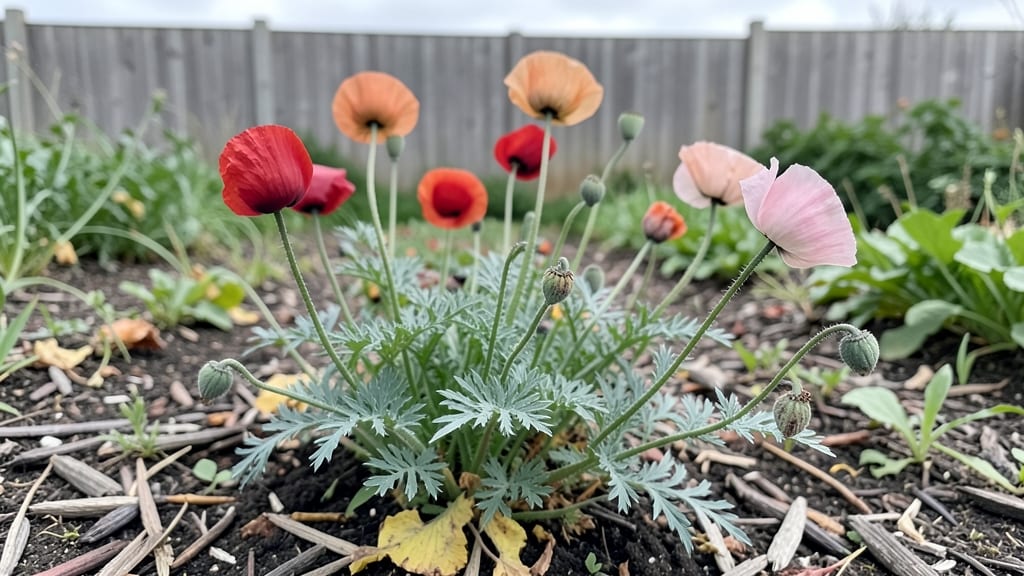
A backyard poppy garden 🌸 bursts with bold colors in just 60 days—no replanting needed, thanks to their self-seeding magic.
Imagine waking up to a backyard bursting with vibrant reds, pinks, and oranges—all without the fuss of replanting every year. A poppy garden transforms even the smallest space into a breathtaking, low-maintenance masterpiece that thrives on neglect and spreads effortlessly.
These cheerful blooms love full sun and well-drained soil, making them perfect for USDA Zone 6a gardens. Whether you’re dreaming of a cottage-style border or a wildflower meadow, poppies add height and drama with minimal effort.
Below, I’ll show you how to design a poppy garden that blooms fast, stays vibrant year after year, and pairs beautifully with other perennials. Ready to skip the annual replanting?
How to design a fast-blooming backyard poppy garden in 5 simple steps
A backyard poppy garden isn't just about planting seeds—it's about creating a self-sustaining display that blooms quickly and returns year after year. The key lies in sunlight exposure, soil preparation, and proper spacing.
Unlike finicky annuals, poppies thrive with minimal intervention, making them perfect for busy gardeners who still want stunning color. Let's turn your backyard into a vibrant poppy paradise in just a few steps.
Poppies are fast growers that reward patience with bold blooms in as little as 60 days. Whether you're working with a small urban plot or a sprawling backyard, these five essential steps will ensure your poppies thrive from day one.
We'll cover everything from site selection to fall planting for continuous blooms.
Your 5-Step Poppy Garden Blueprint
- Step 1: Choose a sun-drenched spot with 6+ hours of sunlight daily. Poppies wilt without sun, so avoid shady corners—this is their non-negotiable requirement.
- Step 2: Test and amend your soil with compost or sand if it's heavy clay. Poppies hate soggy roots—aim for well-draining soil to prevent rot.
- Step 3: Scatter seeds lightly on soil (no covering needed!) in early spring (after last frost) or late summer for fall blooms. Spacing: 6-12 inches apart for taller varieties, 4-6 inches for dwarf types.
- Step 4: Water deeply but infrequently—poppies detest wet feet. Let soil dry between waterings; overwatering is the #1 killer of young seedlings.
- Step 5: Let spent blooms self-seed naturally by leaving seed pods intact. In 3-4 weeks, they'll scatter new seeds for next year's garden—zero replanting required!
Pro Tip: For instant color, mix in potted poppies while waiting for seeds to sprout.
Timing is everything when planting poppies. For spring blooms, sow seeds 2-4 weeks before your last frost date—typically March or early April in most zones. If you want fall color, plant in late summer (August) for blooms before winter.
This two-season strategy ensures your garden stays vibrant from spring through frost.
One of the most magical aspects of poppy gardens is their self-seeding ability. Once established, they'll repopulate annually without intervention. To encourage this, avoid deadheading (removing spent blooms)—let the seed pods mature and dry.
When they split open, seeds will scatter naturally, creating a multi-year display with minimal effort.
For maximum impact, consider mixing tall poppies (like Icelandic poppies) with shorter varieties (such as California poppies). This creates visual layers and prevents overcrowding.
In my own garden, I've seen 3-foot-tall Oriental poppies dominate borders while dwarf Shirley poppies add color to edges—a perfect height contrast.
If your soil is heavy clay or sandy, take 30 minutes to amend it before planting. Work in 2-3 inches of compost for clay or coarse sand for sandy soil.
Poppies prefer lean soil—too much fertilizer leads to floppy stems and fewer blooms. A light feeding of 5-10-10 fertilizer in early spring is all they need.
Watering poppies correctly is an art, not a science. While they're drought-tolerant once established, young seedlings need consistent moisture to germinate. Water deeply in the morning to encourage strong roots, then reduce frequency as plants mature. Overwatering is far worse than underwatering—poppies rot quickly in soggy soil.
For long-lasting color, plant poppies in groups of 10+. This creates a dramatic visual impact and ensures continuous blooming as some plants finish while others begin. In my USDA Zone 6a garden, I've had poppies bloom from May through July with proper spacing and sunlight.
The key is patience—poppies take 2-3 weeks to germinate, but once they do, they grow rapidly.
Remember, poppies are notoriously easy—they forgive mistakes that would kill other plants. If you skip a watering or forget to thin seedlings, they'll still produce stunning blooms. That's why they're
Best poppy varieties for self-seeding backyard gardens (with color & height guide)
Creating a self-seeding poppy garden starts with choosing the right varieties.
Poppies are famous for their vibrant colors and effortless propagation, but not all types thrive in backyard settings. California poppies, Icelandic poppies, Oriental poppies, and Shirley poppies each offer unique benefits for different garden styles—whether you want a wildflower meadow or structured borders.
I’ve grown poppies for years, and the key to a low-maintenance garden is selecting varieties that self-sow reliably while matching your space’s sunlight exposure and height preferences.
Below, I’ve compared the top four poppy types, including their bloom times, color palettes, and mature heights, so you can pick the perfect mix for your backyard.
| Variety | Color Range | Height Range | Bloom Time | Self-Seeding Tendency | Best For |
|---|---|---|---|---|---|
| California Poppy | Orange, yellow, pink, red | 12–24 inches | Late spring | Very high | Drought-tolerant meadows |
| Icelandic Poppy | White, pink, red, yellow | 6–12 inches | Early summer | Moderate | Rock gardens, borders |
| Oriental Poppy | Deep red, pink, white, purple | 24–36 inches | Late spring to early summer | Low (needs deadheading) | Cut flower beds, focal points |
| Shirley Poppy | Cream, pink, red, bi-color | 24–36 inches | Mid to late summer | Moderate (self-sows if left) | Cottage gardens, borders |
California poppies are my top pick for self-seeding gardens because they thrive in poor soil and spread aggressively—perfect for wildflower meadows or sunny slopes. Their bright orange and yellow blooms also attract pollinators like bees and butterflies. For a shorter, more structured look, Icelandic poppies offer delicate pastel colors and dwarf heights, ideal for rock gardens or container plantings.
If you love bold, dramatic blooms, Oriental poppies deliver with their large, cup-shaped flowers in deep reds and purples.
However, they require deadheading to prevent self-seeding, making them better suited for cut flower gardens than wild areas. Shirley poppies strike a balance—they self-sow moderately while producing frilly, bi-colored blooms that add texture to cottage-style gardens.
For a color-blocked poppy garden, mix California poppies (for height and volume) with Icelandic poppies (for contrast). Add Shirley poppies along borders to create a soft, romantic edge.
Always plant in full sun, as poppies wilt quickly in shade. Let spent blooms go to seed—this is how they self-seed effortlessly year after year!
Pro tip: Save seeds from your favorite blooms to replant in new spots. Over time, your poppy garden will evolve into a self-sustaining tapestry of color, with minimal effort from you. Just remember—poppies hate disturbance, so avoid tilling or weeding too aggressively once they’re established.