
Pests
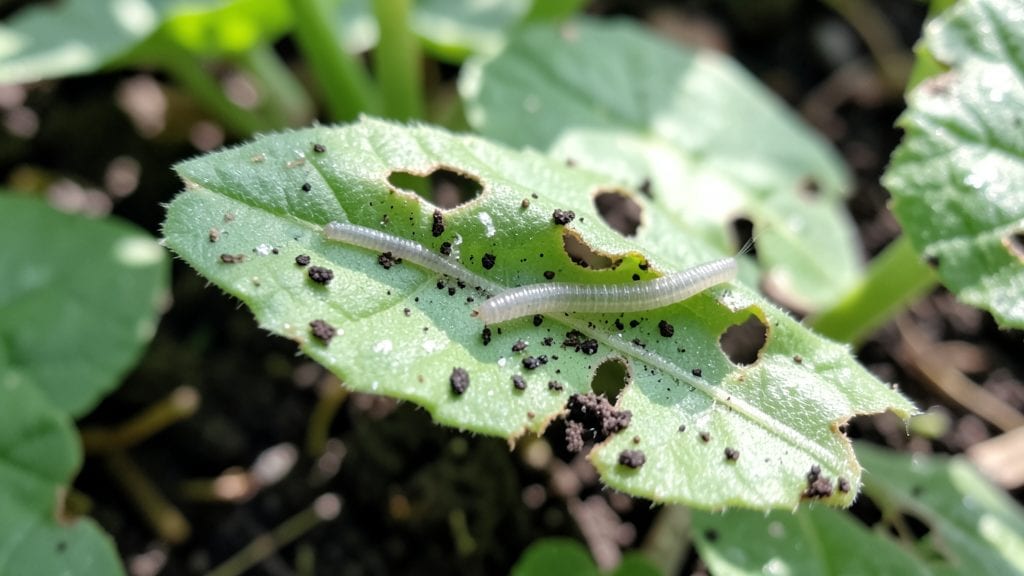
Getting rid of slugs in the garden starts with a simple beer trap barrier that can cut their numbers by half in just three days. I’ve lost count of the times I’d wake up to chewed leaves, only to find these glistening pests feasting under my hostas.
The solution isn’t some fancy chemical spray; it’s a simple, non-toxic trick that works faster than anything I’ve tried.
The beer trap isn’t just about drowning slugs—it’s about luring them away from your prized plants. A shallow dish of beer buried at soil level becomes a death sentence for slugs, but the real magic happens when you combine it with a copper tape barrier.
Copper confuses their slime trails, making them hesitate before crossing, while the beer finishes the job. It’s foolproof for vegetable gardens, herb patches, and even flower beds where slugs leave their telltale silver trails.
By morning, you’ll see the difference: fewer slimy invaders, more intact leaves, and plants that actually look like they’re thriving. The best part? This method keeps working long after the slugs are gone, acting as both a trap and a deterrent.
No more waking up to a garden that looks like it’s been through a sluggish buffet.
Works in shady spots, sunny beds, and even container gardens—just adjust the trap placement. Here’s how to set it up without wasting a drop of beer or leaving your plants vulnerable.
What Draws Slugs To Your Garden
Slugs may seem like harmless garden visitors, but they can quickly turn into destructive pests—especially when they’re drawn to your yard in droves. Understanding the key factors that attract them helps you tackle the problem at its source. Here’s why your garden might be a slug buffet:
Slugs thrive in damp, shaded environments because their soft, permeable bodies lose moisture rapidly in dry conditions. Here’s why your garden might be their perfect hideout:
- Overwatering or Poor Drainage 💦 Slugs love soil that stays consistently moist. If your garden retains water (due to clay soil, overwatering, or poor drainage), slugs will flock there to feed and reproduce. Their egg-laying season peaks in spring and fall when soil moisture is high.
- Thick Mulch or Leaf Litter 🍂 Organic mulch and fallen leaves create microclimates with high humidity—ideal for slugs. While mulch benefits plants, it also provides shelter and a cool, moist environment for slugs to hide during the day.
- Shady or Dense Plantings 🌿 Slugs avoid direct sunlight, which dries out their bodies. Gardens with dense foliage, tall plants, or north-facing areas (in the Northern Hemisphere) offer them shade and protection from predators like birds and beetles.
Slugs are herbivores with a preference for young, soft plant tissue. If your garden is a salad bar for them, they’ll stick around—and multiply.
- Preferred Host Plants 🥗 Slugs target plants with thin, fleshy leaves or stems, such as:
- Lettuce, spinach, and other leafy greens
- Hostas, ferns, and asters
- Tomatoes, peppers, and eggplants (especially when young)
- Strawberries and other low-growing fruits
- Decaying Organic Matter 🍄 Compost piles, rotting wood, and fallen fruits or veggies attract slugs for two reasons:
- They’re a food source (fungi and bacteria break down organic matter, creating a slug magnet).
- They provide hiding spots and moisture.
- Freshly Planted or Stressed Plants 🌱 Newly planted seedlings or plants under stress (from drought, disease, or poor soil) are more vulnerable. Slugs detect the higher moisture content in damaged or young tissue, making it their first choice for a meal.
Slugs are nocturnal creatures, meaning they’re most active after dark when conditions are cooler and more humid. If your garden lacks natural predators, they’ll feel safe to overrun your plants.
- Artificial Lighting 💡 Outdoor lights (especially mercury vapor or sodium lights) can disorient predators like bats, birds, and ground beetles, leaving slugs unchecked. Dark gardens at night also give slugs cover to move freely.
- Few Natural Enemies 🐞 Slugs face threats from:
- Ground beetles (their primary predator)
- Birds (like thrushes and blackbirds)
- Frogs, toads, and hedgehogs (which hunt them at night) If these predators are absent—due to pesticides, habitat loss, or urbanization—slug populations explode.
- Disturbed Soil 🏗️ Gardening activities like tilling or heavy foot traffic can disrupt slug egg beds (laid just below the soil surface) or expose them to predators. However, if the soil is too disturbed, it can also create ideal conditions for slugs to hide in cracks or burrows.
Slug activity isn’t random—it’s tied to specific weather conditions and times of year.
- Rainy or Humid Seasons ☔ Slugs emerge en masse after rain because:
- The soil becomes supersaturated, making movement easier.
- Their bodies absorb water, reducing dehydration risk.
- Eggs hatch more quickly in moist conditions (a single slug can lay 40+ eggs in a season!).
- Mild Temperatures 🌡️ Slugs are most active when temperatures range between 50–75°F (10–24°C). Extreme heat or cold forces them into dormancy, but they’ll return as soon as conditions improve.
- Wind & Shelter 🌬️ Slugs avoid windy conditions, so they seek out windbreaks like:
- Dense borders of shrubs or tall plants
- Rock piles or wood debris
- The base of trees or garden structures
Sometimes, well-meaning gardening practices accidentally create slug paradises.
- Overhead Watering 💦 Sprinklers that wet foliage (rather than soil) create a film of moisture on leaves—perfect for slugs to glide across. Drip irrigation or soaker hoses reduce this risk.
- Ignoring Garden Debris 🗑️ Leaving old pots, broken terracotta, or wood scraps in the garden provides slugs with:
- Shelter from predators and sun
- Moisture retention spots
- Potential breeding sites (some slugs lay eggs in damp, hidden crevices).
- Using Slug-Attracting Fertilizers 🌿 High-nitrogen fertilizers encourage lush, tender new growth—slugs’ favorite snack. Slow-release or organic fertilizers with balanced NPK ratios can reduce this temptation.
Natural Remedies & Barriers To Stop Slugs
Slugs may seem like a small nuisance, but their damage to plants can add up quickly. The good news? You don’t need harsh chemicals to keep them at bay.
Below are practical, slug-proof solutions tailored to common causes—from damp soil to overripe fruit—along with prevention tips to keep your garden slug-free long-term.
Slugs thrive in moist, shaded areas where they can hide during the day. If your garden is a slug buffet, dry it out and brighten it up.
🔥 Reduce Moisture with Mulch & Drainage
- Use coarse mulch (gravel, pine needles, or straw) instead of fine bark or leaves—it drains faster and discourages slugs.
- Improve soil drainage by amending heavy clay with compost or sand to prevent waterlogging.
- Water in the morning so soil dries by evening, making it less inviting for slugs.
☀️ Add Sunlight & Airflow
- Trim overgrown plants to let sunlight reach the soil surface.
- Space plants apart to reduce humidity and make it harder for slugs to travel undetected.
- Install a small fan (on a timer) near vulnerable areas—slugs dislike airflow!
💡 Pro Tip: If you must water at night (e.g., for drought-prone plants), use drip irrigation instead of overhead sprinklers to keep foliage dry.
Slugs are drawn to rotting organic matter, fallen fruit, and tender young plants. Remove their favorite snacks, and they’ll move on.
🍳 Remove Slug Magnets Daily
- Pick up overripe fruit, veggie scraps, and fallen leaves—these are slug buffets.
- Harvest crops promptly, especially strawberries, lettuce, and hostas, which are slug magnets.
- Clear garden debris (like cardboard or old pots) where slugs hide during the day.
👨🍳 Use Slug Traps (The Beer Trick!)
- DIY beer traps: Bury a shallow container (like a plastic cup) filled with beer.
Slugs crawl in, drown, and—poof—no more slugs! - Coffee grounds: Sprinkle used grounds around plants—slugs avoid the bitter smell. - Yeast traps: Mix 1 tbsp yeast + 1 tbsp sugar in a shallow dish with water. Slugs are drawn in but can’t escape.
✨ Bonus: Place traps near high-risk plants (like hostas or lettuce) and check them every 2–3 days.
Slugs can’t climb over rough or sharp surfaces, making barriers one of the most effective long-term solutions.
🔪 DIY Slug-Proof Barriers
| Material | How to Use | Lifespan |
|---|---|---|
| Crushed eggshells | Scatter around plants (sharp edges deter slugs) | 1–2 weeks (reapply after rain) |
| Copper tape | Wrap around pots or raised beds (gives slugs a mild electric shock) | 1–2 years |
| Diatomaceous earth | Dust lightly around plants (non-toxic but deadly to slugs) | Needs reapplication after rain |
| Wood ash | Sprinkle a thin layer (slugs avoid the alkaline residue) | 1–2 weeks |
🌡️ Pro Tip: For raised beds, line the bottom with hardware cloth to block slugs from crawling up from below.
Let nature do the work! Many birds, insects, and amphibians love slugs for breakfast.
🎯 Encourage Slug-Eating Allies
- Birds: Install a bird feeder or birdbath to attract robins, thrushes, and blackbirds—slug superstars!
- Ground beetles & centipedes: These nocturnal hunters eat slugs overnight.
Avoid pesticides to keep their populations high. - Frogs & toads: Create a small pond or shallow dish of water to attract them. - Chickens or ducks: If you have backyard poultry, let them roam—they’ll gobble up slugs like candy!
💡 Prevention Tip: If you must use pesticides, choose slug-specific baits (like iron phosphate) that won’t harm predators.
✅ Inspect new plants for slug eggs before bringing them home. ✅ Rotate crops to avoid slug hotspots in your garden. ✅ Plant slug-resistant varieties (e.g., rosemary, thyme, lavender, or geraniums). ✅ Keep grass short around garden edges—slugs hide in tall grass. ✅ Handpick slugs at night (use a flashlight and a bucket of soapy water).
By combining moisture control, traps, barriers, and natural predators, you’ll slash slug populations fast—without chemicals. Test a few methods in your garden to see what works best, and soon, your plants will be slug-free! 🚀
Frequently asked questions
How long does it take for beer traps to work against slugs?
You’ll typically see results within 24-48 hours, especially after rain when slugs are most active. For best results, place traps near high-risk plants (like lettuce or hostas) in the evening and check them daily. Expect to reduce slug populations by 50% or more in just 3-5 days with consistent trapping.
Can I reuse beer traps, or do I need fresh beer each time?
You can reuse the same beer trap for up to 5-7 days as long as it’s still slightly alcoholic. Refresh with a small amount of beer (about 1/4 cup) when it starts to evaporate. The key is keeping the liquid attractive—slugs are drawn to the yeast and fermentation byproducts, not the alcohol itself.
Are copper tape barriers safe for pets and children?
Yes, copper tape is completely safe! It works by giving slugs a mild electric shock when they cross, but it poses no harm to pets, children, or plants. The tape should be installed above soil level (about 1-2 inches) to prevent slugs from crawling underneath it.
What's the best time of day to check slug traps?
Check your traps first thing in the morning (before 8 AM) when slugs are least active. This gives you the full night's catch and lets you reset traps for another evening. If you notice slugs are particularly bad after rain, check traps again in the late afternoon to see if they've returned.
Will slugs come back after I've eliminated them?
Slugs will likely return if their favorite conditions remain—like damp soil or hiding spots. To prevent recurrence, combine traps with barriers (copper tape or crushed eggshells) and reduce moisture by improving drainage. Regular maintenance (like removing leaf litter) helps keep them away long-term.