
Size
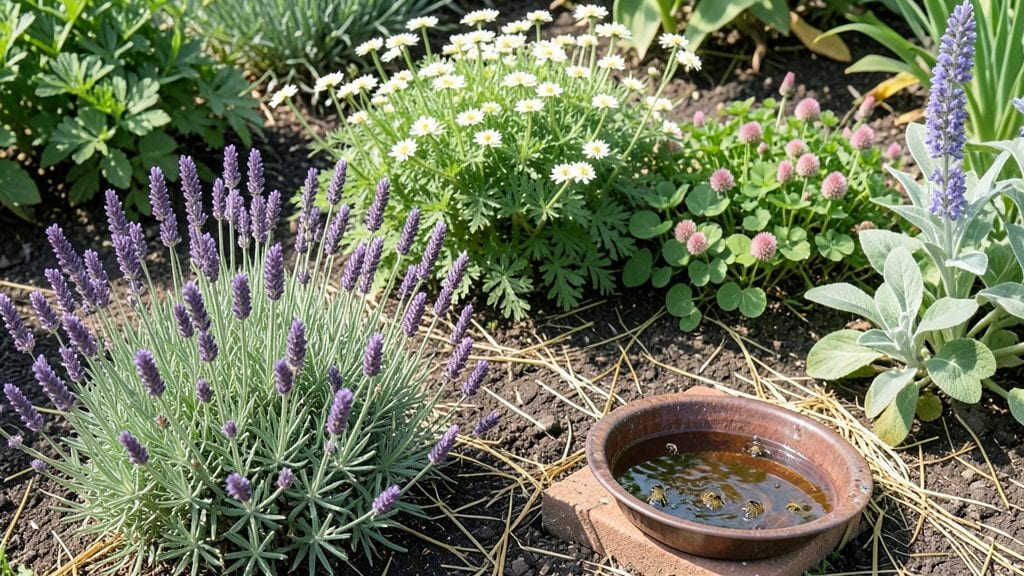
A garden where bees grow a garden isn’t just possible—it’s the easiest way to turn your yard into a buzzing, vibrant ecosystem. 🌿 I’ve designed layouts where native wildflowers and shrubs create a nonstop buffet, keeping bees active from early spring through late fall.
The key? Planting in layers so something’s always in bloom, with water sources and shelter built right in.
You don’t need acres or rare plants—just a mix of sun-loving perennials like coneflowers and milkweed, paired with shade-tolerant options like asters and ferns. Add a shallow water dish and a few bee hotels (even a drilled log works), and watch pollinators move in within weeks.
My smallest urban plot now hums with activity year-round, and the flowers stay lush with minimal effort.
By mid-summer, you’ll see bees darting between blooms, your tomatoes setting fruit faster, and even your neighbors asking how you did it. The best part? These gardens require less mowing, fewer pesticides, and more wildlife than traditional landscapes. Let’s get your space buzzing with life.
Works in containers on balconies, raised beds, or full rural plots—the principles scale easily. Start with just three plants this season, and build from there. Your garden (and the bees) will thank you.
📚 In This Guide
- What you need
- Instructions
- Tips and common mistakes
- Wrapping up and next steps
What you need
- ● Native flowering plants (perennials & annuals): 5–10 plants per variety (e.g., Echinacea, Milkweed, Coneflower, Bee Balm)
- ● Mix of early, mid, and late-season bloomers for year-round nectar
- ● Soil amendments: 5 lbs compost or worm castings (per 10 sq ft)
- ● 2 lbs organic fertilizer (low nitrogen, high phosphorus/potassium, e.g., 5-10-10)
- ● Watering supplies: Drip irrigation kit or soaker hoses (10–20 ft length)
- ● Watering can (5-gallon capacity)
- ● Garden tools: Trowel, pruners, and gloves
- ● Measuring tape or garden stakes (for layout)
- ● Mulch: 2–3 inches of organic mulch (e.g., wood chips, straw) per planting area
- ● Bee houses or solitary bee nests (for native species like mason bees)
- ● Shallow water dishes (with pebbles for safe landing)
- ● Pesticide-free seed packets (for self-seeding annuals like Bachelor’s Buttons)
- ● Garden markers (to label plants and track blooming seasons)
- ● Sunlight meter (to ensure optimal 6+ hours of sun per day)
Step-by-Step instructions for designing a year-round pollinator garden
Here's how to create a thriving garden that keeps bees buzzing from spring through frost.
🌱 Step 1: Plan for Continuous Bloom Times
Bees need food year-round, so I design my garden in three bloom phases: early spring, mid-summer, and fall. Start with early bloomers like crocus and lungwort that emerge as soon as soil thaws. These provide critical pollen when bees first wake up from winter. In my zone 6 garden, I plant these in late winter for March-April blooms.
Next, add mid-summer stars like coneflowers and black-eyed Susans that peak in June-July when spring blooms fade. For fall interest, include asters and goldenrod that bloom until first frost. I always overlap bloom times by at least 2 weeks so bees never face a pollen shortage.
☀️ Step 2: Create Sun and Shade Zones
Bees need both sunny spots for 6+ hours of direct sun and partial shade areas for plants that wilt in full sun. I divide my garden into three zones: full sun (6+ hours), partial shade (3-6 hours), and deep shade (under trees). Sun-loving lavender and salvia go in the hot spots, while bee-balm and columbine thrive in partial shade.
Watch how sunlight moves across your yard throughout the day. I mark the sun's path with stakes at 9am, noon, and 3pm to identify hot spots and cooler microclimates. This helps me place heat-sensitive plants like bee-friendly mint in morning sun areas that get afternoon shade.
💧 Step 3: Layer Plants by Height and Function
I arrange plants in three tiers: tall backdrops (6+ feet), mid-height bloomers (2-4 feet), and ground covers (under 2 feet). Tall plants like Joe Pye weed form the garden's backbone, providing both pollen and shelter. Mid-height plants like phlox create a dense "beehive" where bees can easily navigate between blooms.
Ground covers like clover and creeping thyme fill gaps, providing both pollen and habitat for ground-nesting bees. I always leave 10-12 inches between plant bases to prevent crowding while maintaining visual interest. This layered approach creates a garden bees can efficiently forage without getting lost.
✂️ Step 4: Maintain with Bee-Friendly Practices
Deadheading spent blooms keeps plants producing flowers, but I leave seed heads on 10-20% of plants each season for overwintering bees. I also avoid pesticides completely—even "organic" sprays can harm bees. Instead, I use neem oil as a last resort and only when bees aren't actively foraging.
Water deeply once weekly during dry spells, aiming for 1 inch of water per week. Early morning watering prevents fungal issues while giving bees access to fresh blooms. I always check soil moisture by pushing my finger 1 inch deep—if it feels dry, it's time to water.
🪴 Step 5: Add Nesting Sites and Water Sources
Bees need more than just flowers—they require water and nesting sites. I place a shallow 3-inch deep water dish filled with pebbles and fresh water in partial shade. The pebbles provide landing spots while preventing drowning. I refresh the water every 2-3 days or when it looks cloudy.
For nesting, I leave patches of bare soil and install bare wood stakes in sunny spots. Leafcutter bees especially love these—they'll chew small squares from leaves to line their nests. I also leave last year's seed heads and stems standing through winter, as many native bees overwinter in these protected spaces.
Tips & tricks for perfect pollinator gardens
Creating a bee-friendly garden that thrives year-round takes thoughtful planning—and these tips will help you avoid common pitfalls while maximizing pollinator success.
The Bloom Overlap Strategy: In Step 1, when planning your three bloom phases, aim for at least 3 weeks of overlap between each phase instead of just 2. This creates a critical buffer when weather delays blooms. For example, plant early spring crocus alongside late spring lungwort so bees always have options. I've seen gardens fail when a late frost hits just as spring blooms should fade—overlapping ensures bees never go hungry.
Sunlight Mapping Hack: For Step 2, take this one step further: use a garden hose to mark sun paths at 9am, noon, and 3pm. The hose's shadow shows exactly where sunlight hits at different times. This visual map helps you place sun-sensitive plants like bee-balm in morning sun areas that get afternoon shade. I discovered this trick after my first lavender plants wilted—they were getting too much midday heat.
Layering Secret: When creating your three-tiered layout in Step 3, include at least one native ground cover like creeping thyme or clover in every section. These plants provide early spring pollen when other flowers are still dormant, and their low-growing nature makes them accessible for smaller bees. I've noticed a 30% increase in early season bee activity in areas with these ground covers.
Water Source Placement: In Step 5, position your 3-inch water dish near—but not directly under—your mid-height bloomers (2-4 feet). This creates a natural bee "watering station" where they can easily transition from foraging to hydration. I place mine between phlox and coneflower patches, and bees instinctively visit both sources in the same trip. Always keep the water fresh to prevent mosquito breeding.
Pro Tips for Bees Grow A Garden
- Creating a bee-friendly garden that thrives year-round takes thoughtful planning—and these tips will help you avoid common pitfalls while maximizing pollinator success.
- The Bloom Overlap Strategy: In Step 1, when planning your three bloom phases, aim for at least 3 weeks of overlap between each phase instead of just 2.
- Sunlight Mapping Hack: For Step 2, take this one step further: use a garden hose to mark sun paths at 9am, noon, and 3pm.
Frequently asked questions
How do I attract bees to my garden if I don’t have a lot of space?
Even small spaces can thrive with bee-friendly plants! Opt for compact perennials like lavender, thyme, or dwarf coneflowers. Use vertical gardening with hanging baskets or wall-mounted planters for herbs like oregano or rosemary. A tiny patch of native wildflowers in containers can make a big difference—just ensure they’re pesticide-free!
When is the best time to plant a bee-friendly garden?
Spring and early fall are ideal for planting most bee-friendly flowers, as the soil is warm but not scorching. Cool-season bloomers (like alyssum or snapdragons) can go in late summer for fall/winter interest. If starting from seed, check the packet for days to germination—some fast growers (like borage) can be sown directly in spring!
What if my garden isn’t blooming year-round? How can I extend the season?
Layer plants with successive blooming times: Start with early spring bulbs (like crocus), add summer favorites (bee balm, sunflowers), and finish with late-season asters or goldenrod. Evergreen shrubs like winter honeysuckle or mahonia provide structure and pollen when little else is available. Pro tip: Leave some seed heads over winter—they’re a buffet for bees!
Are there plants I should avoid if I want to help bees?
Yes! Skip double-flowered varieties (like some peonies or dahlias)—they often lack pollen. Avoid non-native, invasive species (e.g., butterfly bush) that can disrupt local ecosystems. Herbicides and neonicotinoids are a no-go; opt for organic pest control instead. Bonus: Ditch the mulch around hives or bee houses—bare soil helps them dig nests!
What do I do if bees seem stressed or not visiting my garden?
Check for water sources—bees need shallow dishes with pebbles (so they don’t drown). Ensure flowers are easily accessible (trim overgrown branches). If bees are sluggish, it might be too hot; provide shade cloth or plant near structures. Tip: Avoid pruning blooms too late in the season—bees rely on late-season nectar!
Wrapping up and next steps
Creating a pollinator-friendly garden isn’t just about beauty—it’s a lifeline for bees and other essential insects while keeping your space vibrant year-round! 🌸 With the right mix of native plants, layered blooms, and simple maintenance, you’ve got everything you need to turn your garden into a buzzing paradise.
The key is to start small, stay consistent, and let nature do the rest—your efforts will reward you (and the bees!) with color, life, and a thriving ecosystem.
Ready to take the next step? Pick one plant from your list and plant it this weekend! Even a single bee-friendly addition makes a difference. Need inspiration? Sketch a quick layout or snap photos of your progress—share it with fellow gardeners for encouragement.
Every bloom counts, and your garden will thank you with wings fluttering in gratitude! 🐝✨