
Diseases
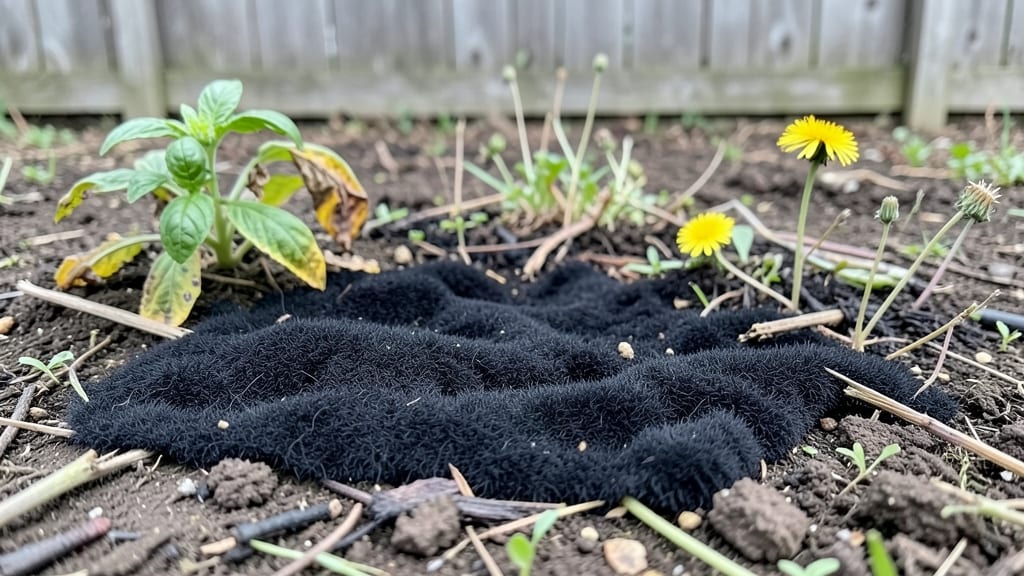
Black mold in your garden isn’t just unsightly—it’s a silent threat to your plants and tools. I’ve seen it creep into my raised beds and cling to my pruners, turning a thriving garden into a damp, musty mess.
The good news? You can tackle it fast with the right approach, and I’ll show you how to make a natural fungicide spray that works in just 24 hours.
Most black mold problems stem from too much moisture, poor airflow, or decaying organic matter. My first garden disaster happened after a week of heavy rain—my compost pile oozed black sludge, and my tomato plants wilted overnight.
The fix starts with simple adjustments: watering at the base (not overhead), improving drainage, and sanitizing tools with a 1:10 bleach-water mix.
Once you’ve cut off the moisture source, a homemade spray of neem oil, hydrogen peroxide, or baking soda can stop the mold in its tracks. I’ve used this spray on my soil, plant leaves, and even my wooden garden furniture—no more slimy black patches, just clean, healthy growth.
The key is consistency: reapply every 3-5 days until the problem disappears.
Prevention is easier than cleanup, though. I now mulch heavily to regulate moisture, turn my compost regularly, and store tools in a dry shed. These small changes keep my garden mold-free season after season—no more panic when the first dark spots appear. Let’s get your garden back in shape!
Root Causes Of Fungal Growth
Black mold in your garden isn’t just an unsightly nuisance—it’s a microbiological party 🎉 fueled by specific conditions that turn your soil, plants, and even tools into a thriving ecosystem for Stachybotrys chartarum and other dark fungi.
Understanding these triggers is the first step to stopping the spread. Let’s break down the science behind why your garden becomes a mold magnet.
💧 Excess moisture & poor drainage
Mold thrives in wet environments because its spores need moisture to germinate and spread. Unlike most plants, black mold doesn’t just tolerate dampness—it requires it. Here’s why your garden might be a soggy hotspot:
- Overwatering: Watering too frequently (or too heavily) keeps soil saturated, creating the perfect breeding ground. Rule of thumb: Soil should dry out slightly between waterings—stick your finger in 1–2 inches deep. If it’s damp, wait.
- Poor soil structure: Compacted or clay-heavy soil repels water instead of absorbing it, leading to surface puddles. This stagnant water pools around plant bases, where mold takes root.
- Lack of drainage: Raised beds or containers without drainage holes act like bathtubs for fungi. Even "well-draining" mixes can fail if they lack organic matter to aerate roots.
- Irrigation issues: Sprinklers that wet foliage (especially in the evening) leave leaves damp overnight, mimicking a tropical greenhouse for mold spores.
💡 Pro Tip: If your garden floods after rain, amend soil with perlite, sand, or compost to improve aeration. For containers, drill drainage holes and use a mix with 50% inorganic material (like pumice or vermiculite).
🌡️ Warm, humid microclimates
Black mold isn’t picky about temperature—but it loves warmth combined with humidity. Think of it like a sauna for fungi. Here’s how your garden might be accidentally hosting one:
| Factor | Why It Helps Mold | Fix It |
|---|---|---|
| Shady, enclosed spaces | Limited airflow + trapped heat from sunlight creates a greenhouse effect, boosting humidity. | Prune overgrown plants and thin dense foliage to improve airflow. |
| Nighttime dew | Condensation on leaves or mulch provides 24-hour moisture for spores. | Water in the morning so foliage dries by evening. |
| Mulch piles | Thick mulch (especially organic) can over-retain moisture, especially in cool climates. | Use 3–4 inches max of mulch and keep it 2+ inches away from stems. |
⚠️ Warning: Greenhouses and cold frames are mold magnets—ventilate daily and avoid overhead watering.
🍄 Organic debris & dead plant matter
Black mold doesn’t just attack living plants—it feasts on decaying organic material. Leaves, fallen fruit, and even old mulch become nutrient buffets for fungal spores. Here’s how it happens:
- Leaf litter: Wet leaves (especially broadleaf varieties) create a thick, dark mat that traps moisture and blocks sunlight, ideal for mold colonization.
- Compost piles: While composting is great, hot, anaerobic piles (low oxygen) produce methane and ethanol, which encourage mold growth over beneficial bacteria.
- Pruned plant material: Leaving clippings on the ground or in piles provides a food source for mold to spread to nearby soil.
- Wooden tools/slats: Trellises, stakes, or old boards in contact with soil can absorb moisture and become moldy, then reinfect plants.
🔥 Action Step: Remove all dead plant material from garden beds, and compost only in aerated piles (turn weekly to prevent mold). For wooden structures, apply a vinegar or copper-based fungicide annually.
🌱 Weakened or stressed plants
Healthy plants resist mold better because their natural defenses (like cuticle wax and antimicrobial compounds) keep spores at bay. But when plants are stressed, they become vulnerable entry points:
- Nutrient deficiencies: Plants low in nitrogen or potassium have thinner cell walls, making them easier targets for fungal invasion.
- Physical damage: Broken stems, torn leaves, or insect bites create open wounds where mold spores can land and infect.
- Transplant shock: Recently moved plants are metabolically exhausted and struggle to fight off pathogens.
- Pests: Sap-sucking insects (like aphids) weaken plants and leave honeydew, a sticky substance that ferments into mold food.
🌱 Solution: Strengthen plants with balanced fertilizer (10-10-10) and neem oil sprays to deter pests. Avoid over-handling plants to prevent physical trauma.
Now that you know the why, the next step is addressing these causes—starting with a targeted, fast-acting fungicide that disrupts mold’s life cycle without harming your plants. 🚀
How to Fix Fungal Overgrowth Fast
Black mold in your garden isn’t just unsightly—it can weaken plants, spread rapidly, and even damage soil health if left unchecked. The good news? With the right approach, you can eliminate it in 24 hours and keep it from returning.
Below, we break down targeted solutions based on the root causes (overwatering, poor airflow, organic debris, or soil imbalance) and pair them with preventive strategies to stop future outbreaks.
🔥 Fix Overwatering & Poor Drainage
If your garden stays soggy, black mold thrives in the damp, anaerobic conditions. Here’s how to dry it out and improve airflow:
- 🌧️ Adjust Your Watering Routine
- Water early in the morning (before 10 AM) to allow foliage to dry quickly.
- Use a soaker hose or drip irrigation to deliver water directly to the soil, avoiding wet leaves.
- Check soil moisture with your finger—water only when the top 1–2 inches are dry.
- 🏗️ Improve Soil Drainage
- Amend heavy clay soil with compost or perlite to loosen it.
- Raise garden beds slightly or add a layer of gravel beneath potted plants.
- For container gardens, ensure pots have drainage holes and use a mix with 50% potting soil and 50% perlite/sand.
- 🌿 Prune for Better Airflow
- Trim dense foliage to increase circulation around plants.
- Remove dead or dying leaves—they trap moisture and spores.
💡 Pro Tip: If your garden has compacted soil, aerate it with a garden fork or rent a core aerator to help water drain faster.
🍳 Kill Mold with Natural Fungicides (24-Hour Action)
For visible mold spots, a homemade or commercial fungicide can stop the spread within a day. Here are the most effective options:
| Solution | How to Use | Why It Works |
|---|---|---|
| Baking Soda Spray (1 tbsp baking soda + 1 quart water + 1 tsp dish soap) | Spray directly on mold and affected leaves. Reapply every 7–10 days. | Raises pH, creating an unfavorable environment for fungal spores. |
| Hydrogen Peroxide (3%) (1 part peroxide + 3 parts water) | Spray on moldy areas. Do not use on edible plants within 24 hours of harvest. | Releases oxygen, suffocating mold spores on contact. |
| Neem Oil Spray (2 tbsp neem oil + 1 tsp soap + 1 gallon water) | Apply in the evening (avoid direct sunlight for 12 hours). Reapply weekly. | Disrupts fungal cell membranes and deters future spores. |
| Vinegar Spray (1 part white vinegar + 1 part water) | Spray on non-edible plants or soil. Avoid spraying in direct sun (can burn leaves). | Lowers pH, inhibiting mold growth and killing existing spores. |
⚠️ Safety Note: Always test sprays on a small area first to avoid damaging sensitive plants. For severe infestations, consider a copper fungicide (like Copper Soap) for faster results.
👨🍳 Remove Organic Debris & Clean Tools
Black mold loves to hide in decaying matter. Here’s how to sanitize your garden and tools:
- 🧹 Clear Debris Immediately
- Remove fallen leaves, mulch, and plant waste from beds and around roots.
- Compost only healthy, dry plant matter—never moldy material.
- 🔪 Disinfect Garden Tools
- Wipe tools with rubbing alcohol (70%+) or a 10% bleach solution after each use.
- Store tools in a dry place to prevent mold buildup.
- 🌡️ Sterilize Soil (If Needed)
- For heavily contaminated soil, solarize it by covering with clear plastic for 4–6 weeks in hot sun.
- Mix in food-grade diatomaceous earth (1 cup per 10 sq ft) to absorb moisture and kill spores.
💡 Pro Tip: If mold is in potted plants, repot with fresh soil and wash roots with hydrogen peroxide (1:3 dilution) before replanting.
🌱 Prevent Future Mold Outbreaks
Stopping mold at the source saves time and keeps your garden thriving. Try these long-term fixes:
- ✨ Boost Plant Immunity
- Use compost tea or fish emulsion to strengthen plant resistance.
- Rotate crops annually to prevent soil-borne pathogens from building up.
- 🎯 Choose Resistant Plants
- Opt for mold-resistant varieties like marigolds, lavender, or thyme—they naturally repel fungi.
- Avoid overcrowding susceptible plants (e.g., ferns, impatiens, or hydrangeas).
- 🌡️ Monitor Humidity & Temperature
- Use a hygrometer to keep humidity below 60% in greenhouses or shaded areas.
- Improve ventilation with fans or open structures in humid climates.
🔥 Final Reminder: Consistency is key! Check your garden weekly for early signs of mold (dark spots, musty smells) and act fast—most outbreaks can be stopped before they spread.
Frequently asked questions
Why does black mold appear suddenly in my garden?
Black mold often pops up due to excess moisture from overwatering, poor drainage, or humid conditions. It thrives on damp soil, decaying organic matter, or even wet leaves left overnight. Check if your plants are crowded, mulch is too thick, or tools/stakes are stored in damp areas—these are common hiding spots for mold spores.
Is vinegar safe to use on all plants?
Vinegar works well for most non-edible plants and soil, but it can damage acid-sensitive plants like azaleas or rhododendrons. Always test a small area first! For edible crops, stick to baking soda or hydrogen peroxide sprays instead.
How often should I apply the natural fungicide spray?
For active mold outbreaks, apply your spray every 3-5 days until the problem clears. Once resolved, switch to preventive applications every 2 weeks during humid seasons. Consistency is key to stopping mold before it returns!
Can I use the same spray on my garden tools?
Yes! Mix a 1:10 bleach-water solution or use rubbing alcohol to sanitize tools. After cleaning, let them dry completely in the sun before storing. This prevents mold from transferring back to your plants.