
Planting
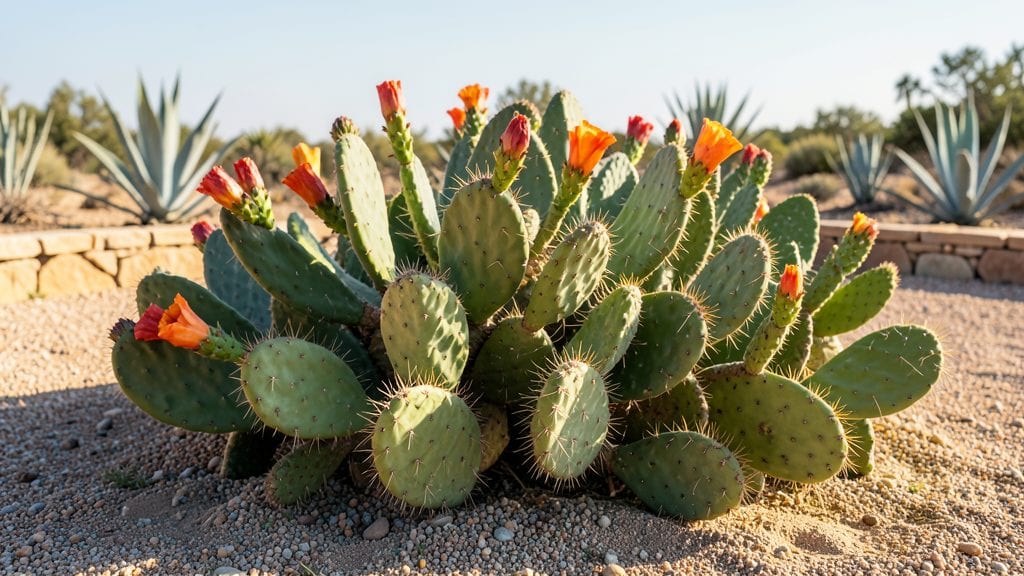
Creating a thornless cactus plant garden is like building a desert oasis you can touch—no gloves, no poking, just soft, velvety pads and striking shapes that thrive with almost no effort. 🌵 I designed mine in my sunniest corner after realizing most cacti are overrated for their prickly drama, and now I have a garden that’s safe for kids, pets, and anyone who’s ever flinched at a sharp spine.
The beauty of thornless varieties is they let you get creative without the usual precautions.
Start with 3-5 plants like the Bunny Ear cactus (Opuntia microdasys) or the Paddle cactus (Opuntia spp.), which grow in clumps that spill beautifully over container edges or cascade down rocky slopes.
The soil mix is the real game-changer—use 50% coarse sand and 50% cactus/succulent potting mix to mimic their native dry conditions, and water only when the top inch feels bone-dry.
By summer, your garden will burst with jewel-toned blooms and sculptural forms that need just sun and occasional pruning. The best part? You’ll spend more time admiring it than fussing over it.
Pair with smooth river rocks or terracotta pots to lean into the desert vibe, and watch how even the most skeptical visitors get hooked on the tactile, low-fuss appeal.
Works just as well in containers on a patio as in a ground bed—perfect for small spaces or urban balconies. Here’s how to arrange yours for maximum impact while keeping maintenance lighter than a summer breeze.
📚 In This Guide
- What you need
- Instructions
- Tips and common mistakes
- Wrapping up and next steps
What you need
- ● Thornless cactus plants: 3–10 plants (e.g., Mammillaria, Echeveria, or Opuntia varieties like 'Santa Rita'). Choose 4–6" pots for small varieties or larger containers for bigger species.
- ● Well-draining soil: 1–2 bags of cactus/succulent mix (or 50% potting soil + 50% perlite/pumice). Avoid regular garden soil—it retains too much moisture!
- ● Containers or garden bed: Pots: 1–5 containers (6"–12" diameter) with drainage holes. Terracotta or ceramic works best.
- ○ Garden bed (optional): A sunny, elevated spot with gravel or rocks for drainage (if planting outdoors).
- ● Gravel or decorative stones: 1–2 bags (for drainage and aesthetics). Use pebbles, lava rock, or crushed granite.
- ● Gloves: 1 pair (thin gardening gloves to protect hands from accidental prickles).
- ● Trowel or small shovel: 1 (for planting and soil adjustments).
- ● Watering can or spray bottle: 1 (with a narrow spout for precise watering).
- ○ Mulch (optional): 1 bag of organic mulch (like bark chips) to retain moisture and suppress weeds.
- ○ Fertilizer (optional): 1 bottle of balanced, diluted succulent fertilizer (e.g., 5-5-5 or 10-10-10). Use sparingly—cacti need less!
- ● Sunlight: A location with 6+ hours of direct sunlight daily (south-facing windows or outdoor spots work best).
- ● Temperature: Ideal range: 70–100°F (21–38°C). Avoid frost if planting outdoors.
- ● Drainage plan: Ensure containers or beds have no standing water—root rot is a cactus’s worst enemy!
Step-by-Step guide to designing a safe, low-maintenance cactus garden
Here's how to create a stunning, thorn-free cactus display that thrives with minimal fuss.
🪴 Step 1: Select Containers and Drainage System
Choose shallow, wide containers with drainage holes—terracotta pots or ceramic planters work best for airflow. I prefer 12-inch diameter pots for each cactus, allowing roots to spread comfortably. If using decorative trays, elevate them on pot feet to prevent waterlogging. The key is ensuring excess water drains away immediately; cacti rot faster than they thrive in soggy soil.
Layer the bottom of each pot with 1-2 inches of gravel or pumice to create a reservoir. This prevents roots from sitting in moisture while still allowing water to reach them when needed. For larger displays, use a single large tray with individual pots to create a cohesive look while maintaining proper drainage for each plant.
☀️ Step 2: Prepare Well-Draining Soil Mix
Fill your containers with a cactus-specific mix—never regular potting soil. I blend 50% coarse sand, 30% perlite, and 20% potting soil for the perfect balance. This combination prevents compaction while providing just enough nutrients. Moisten the mix lightly before planting, but avoid soaking it; cacti prefer dry conditions.
Press the soil gently around each plant to eliminate air pockets, but don't compact it. You'll see the roots spread naturally within a few weeks. For container displays, leave 1 inch of space between plants to allow airflow and prevent rot. This spacing also makes it easier to access each cactus for occasional care.
🌱 Step 3: Plant Thornless Varieties Strategically
Arrange your thornless cacti like mammillaria, echinopsis, or notocactus in odd-numbered groupings for visual appeal. Place taller varieties toward the back and shorter ones in front. I like to stagger heights by 2-3 inches to create natural tiers. Avoid overcrowding—each plant needs room to grow without competing for light.
Gently remove the cactus from its nursery pot and place it in the prepared hole, ensuring the soil line matches the container's rim. Press the soil lightly around the base to secure the plant. Water immediately after planting, but only enough to settle the soil—no deep soaking. This establishes roots without shocking the plant with excess moisture.
💧 Step 4: Establish a Watering Routine
Water your cactus garden once every 3-4 weeks during the growing season (spring and fall), and even less in winter. I check soil moisture by sticking my finger 1 inch deep—if it feels dry, it's time to water. Overwatering is the fastest way to kill cacti, so always let the soil dry completely between waterings.
Use a watering can with a narrow spout to direct moisture to the soil, not the plant itself. Water until it drains freely from the bottom of the pot, then empty any excess from the saucer. In humid climates, reduce watering frequency by half to prevent fungal issues. You'll notice healthy cacti develop a slight plumpness after watering, while overwatered ones appear soft and mushy.
✂️ Step 5: Maintain Light and Prune for Shape
Place your cactus garden in a location with 6+ hours of bright, indirect light daily. South or west-facing windows work best, but avoid harsh midday sun, which can scorch tender thornless varieties. If using artificial light, position grow lights 12-18 inches above the plants for 12-14 hours per day.
Prune only to remove dead or damaged pads. Use sterilized scissors to cut at a 45-degree angle, leaving a small callus to prevent rot. I avoid heavy pruning unless necessary—thornless cacti grow slowly and appreciate minimal interference. Fertilize lightly once a year in spring with a 5-10-5 balanced formula to encourage steady growth without promoting weak, leggy stems.
Tips & tricks for perfect cactus plant gardens
Creating a thriving cactus garden takes more than just placing plants in pots—these insider tips will help you avoid common pitfalls and create a display that truly stands out.
Container Selection Matters: While 12-inch diameter pots work beautifully, consider using slightly larger containers (up to 14 inches) for fast-growing varieties like echinopsis. The extra space gives roots room to expand without becoming root-bound, which prevents stunted growth. For window displays, opt for shallow trays with built-in drainage to create a cohesive look while maintaining proper airflow. Remember, wider containers prevent tipping and provide stability for taller varieties.
Soil Mix Secrets: The 50-30-20 blend of coarse sand, perlite, and potting soil is ideal, but for even better drainage, add 10% coconut coir to the mix. This improves moisture retention without compromiting airflow. When pressing soil around plants in Step 2, use your fingers to gently firm it—don't pack it like you would with regular potting soil. The goal is to eliminate air pockets while maintaining that loose, crumbly texture cacti love.
Lighting Strategy: For artificial lighting in Step 5, position your grow lights at the 12-inch mark for most varieties, but move them closer (9-10 inches) for slower-growing mammillaria species. Use LED grow lights with a full spectrum—blue for growth, red for flowering—which are more energy-efficient than traditional bulbs. Rotate your display weekly to ensure even light exposure, preventing lopsided growth that can occur when plants lean toward the light source.
Watering Intelligence: The 3-4 week watering schedule in Step 4 works perfectly, but adjust for humidity levels. In dry climates, you might extend to 5 weeks between waterings, while humid areas may need bi-weekly watering. Always water in the morning to allow excess moisture to evaporate during the day. I've found that using a moisture meter (inserted 1 inch deep) gives more accurate readings than the finger test, especially for beginners who might overwater out of caution.
Pro Tips for Cactus Plant Garden
- Creating a thriving cactus garden takes more than just placing plants in pots—these insider tips will help you avoid common pitfalls and create a display that truly stands out.
- Container Selection Matters: While 12-inch diameter pots work beautifully, consider using slightly larger containers (up to 14 inches) for fast-growing varieties like echinopsis.
- Soil Mix Secrets: The 50-30-20 blend of coarse sand, perlite, and potting soil is ideal, but for even better drainage, add 10% coconut coir to the mix.
Frequently asked questions
Got questions about creating a thornless cactus garden? You’re not alone! Here are some of the most common queries—plus straightforward answers to help you grow with confidence.
What are the best thornless cactus varieties for beginners?
Start with Opuntia (prickly pear) varieties like ‘Santa Rita’ or ‘Prostrata’, or the Echinocereus genus (e.g., ‘Lace Cactus’). These are hardy, slow-growing, and nearly spineless. Avoid Mammillaria or Ferocactus—they’re notorious for hidden spines!
How long does it take for a thornless cactus garden to mature?
Most thornless cacti grow 1–3 inches per year, so a small garden (6–12 plants) may take 3–5 years to fill out. Patience pays off—once established, they thrive with minimal care! Pro tip: Group slow growers (like Echinocactus) with faster ones (like Opuntia) for visual balance.
Do thornless cacti need less water than spiny ones?
Yes! Thornless cacti often have softer, more delicate tissue, making them prone to rot if overwatered. Water deeply but infrequently—every 2–3 weeks in summer, monthly in winter. Always check soil moisture before watering. Pro tip: Use a moisture meter or stick your finger 2 inches into the soil.
Are thornless cacti safe around pets or kids?
Most thornless varieties are pet- and kid-friendly, but always verify—some may have tiny, almost invisible glochids (clusters of hair-like spines). Opt for Opuntia microdasys (‘Bunny Ears’) or Echinocereus species, which are glow-in-the-dark safe (just avoid their flowers, which can be toxic if ingested). Keep plants out of reach until fully established.
Can I grow a thornless cactus garden in containers?
Absolutely!
Containers are ideal for thornless cacti since they hate soggy roots. Use terracotta or fabric pots with drainage holes and a cactus/succulent mix. Rotate pots quarter-turn weekly for even sun exposure. Bonus: Trail varieties like Opuntia ‘Rubra’ look stunning in hanging baskets!
What should I do if my thornless cactus gets pests?
Common pests like mealybugs or scale love thornless cacti! Treat infestations with neem oil or insecticidal soap, applied at dusk to avoid harming beneficial insects. For stubborn cases, isolate the plant and wipe off pests with a 70% isopropyl alcohol pad. Preemptive tip: Inspect new plants before adding them to your garden.
Wrapping up and next steps
Creating a thornless cactus garden is a rewarding way to add safe, stunning, and low-maintenance beauty to your outdoor space! 🌵 With the right varieties—like Pereskia, Opuntia, or Echinocereus—you can enjoy vibrant colors, unique textures, and minimal upkeep.
Whether you're a beginner or a seasoned gardener, these plants offer versatility for containers, borders, or even indoor decor.
Ready to dive in? Start small—pick one or two varieties to experiment with, then expand as you gain confidence. Before you know it, your garden will be a thriving, pet- and kid-friendly oasis! 🌟 Happy planting!