
Tools
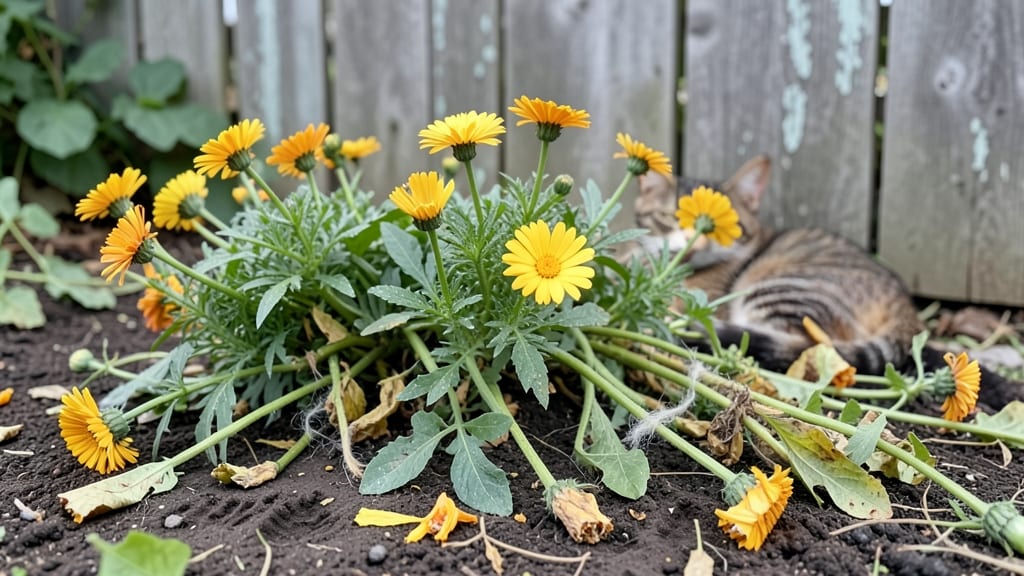
Keeping cats out of your garden without harming them is harder than it looks—especially when they’ve already claimed your prized petunias as their personal litter box. 🌱 I’ve tried everything from commercial repellents to DIY hacks, and the only methods that actually work are the ones that make cats think your garden is a no-go zone without making them miserable.
The key? A mix of scent deterrents, physical boundaries, and a little psychological trickery that stops them in their tracks.
You don’t need expensive tools or toxic sprays—just a few simple supplies like citrus peels, prickly plants (like rosemary or lavender), and some basic hardware cloth or motion-activated sprinklers. The best part?
These solutions work fast, often within 24-48 hours, and they’re 100% humane. No harm, no foul—just a garden that stays intact while your feline neighbors stay safe and happy elsewhere.
By the end of this, your garden will be scratch-free, dig-free, and cat-free—no more shredded leaves or half-buried seedlings. You’ll also learn how to protect young plants from curious paws while keeping your yard inviting for humans (and the occasional squirrel).
The secret? Layering deterrents so cats get the message loud and clear: This is not your sandbox.
Works for any garden size, whether you’ve got a tiny container setup or a sprawling backyard. The methods here adapt to different climates and cat personalities—because some felines are just more stubborn than others. Let’s get started before your tomatoes become a cat condo.
📚 In This Guide
- What you need
- Instructions
- Tips and common mistakes
- Wrapping up and next steps
What you need
- ● 1-2 rolls of 6-inch-wide chicken wire (or hardware cloth for extra durability) – enough to encircle garden beds (100+ ft. for a 10x10 ft. area).
- ● 4-6 sturdy wooden or metal stakes (1.5–2 ft. long) – 1 per 5–6 ft. of wire.
- ● Heavy-duty zip ties or wire twist ties (50+ pieces) – to secure stakes and wire tightly.
- ● Garden gloves – for handling wire and stakes comfortably.
- ● Measuring tape – to ensure even spacing and height (6+ inches above ground).
- ● Prickly plants (e.g., rosemary, lavender, or thorny shrubs) – plant along the wire’s edge for extra deterrence.
- ● Motion-activated sprinkler (battery/solar-powered) – scares cats with a gentle spray (great for larger areas).
- ● Citrus peels or coffee grounds – scatter lightly around the perimeter for a natural repellent.
- ● Reflective tape or old CDs – hang near the fence to create flickering light (cats dislike sudden movements).
Humane methods to keep cats out of your garden without harm
Here’s how to protect your plants while keeping neighborhood cats safe and happy.
🌱 Step 1: Identify and Block Entry Points
Cats seek out quiet, sheltered spots to dig or rub against plants. Walk your garden’s perimeter and look for low fences, gaps under decks, or dense shrubs where cats can hide. I’ve found that cats often target 3-5 foot wide openings—these are their perfect entry points. Block these with chicken wire (buried 6 inches deep) or hard landscaping like gravel or stepping stones, which cats dislike walking on.
For raised beds, wrap the edges with wire mesh (at least 12 inches tall) to prevent climbing. Cats are agile but hate the feel of sharp edges—this deters them without causing harm. If you already have a fence, check for gaps larger than 4 inches and patch them immediately.
💧 Step 2: Use Natural Deterrents Cats Hate
Cats dislike strong scents, so sprinkle citrus or coffee grounds around plant beds—these smells mask the natural scents cats use to mark territory. Refresh the deterrent every 3-5 days or after rain, as the scent fades quickly. I’ve also had success with commercial cat repellents (like those with citronella or rosemary oil), but avoid anything with capsaicin—it’s cruel and illegal in many areas.
Another trick? Place wind chimes or aluminum pie pans near entry points. The noise startles cats without harming them. Move these around weekly so cats don’t get used to them. Cats are territorial but skittish—disrupting their routine with unpredictable stimuli works better than static barriers.
☀️ Step 3: Create Alternative Attractions
Instead of chasing cats away, redirect their energy. Set up a cat-friendly sandbox (filled with play sand, not garden soil) in a sunny spot away from your plants. Cats love digging, and this gives them a designated area to satisfy that instinct. Add a catnip plant nearby—it’ll draw them away from your garden while keeping them engaged.
If you have neighbors with cats, leave out dry kibble or catnip in a separate container. A full belly means less motivation to raid your garden. This works best if you place the food 20-30 feet away from your plants—close enough to distract, but far enough to discourage lingering.
✂️ Step 4: Protect Young or Vulnerable Plants
For seedlings or delicate plants, cover them with lightweight row covers (made of fine mesh) secured with stakes. These allow sunlight and water through while blocking cats. I’ve used floating row covers for 4-6 week old seedlings until they’re sturdy enough to survive a cat’s curiosity. Avoid plastic sheeting—it can trap heat and damage plants.
If cats are already digging, bury a layer of broken terracotta pots (shards facing upward) around the perimeter. The rough texture and sharp edges deter digging without harming paws. For container gardens, place heavy rocks or bricks around the base—cats won’t bother what they can’t move.
⏰ Step 5: Monitor and Adjust Your Strategy
Check your garden daily for fresh scratches, dug-up soil, or chewed plants—these are signs cats are still active. If deterrents fail, try motion-activated sprinklers (set to a gentle mist, not a blast). The sudden movement startles cats without wetting your plants excessively. I’ve used these in late afternoon, when cats are most active, and seen immediate results.
Real talk: Some cats are stubborn. If one persists, combine methods—block entry points, use deterrents, and provide alternatives. Consistency is key. Over time, cats will learn your garden isn’t a safe hunting ground, and your plants will thrive without chemical interference.
Tips & tricks for humane cat deterrence in gardens
These battle-tested strategies will help you create an effective, compassionate barrier between your garden and neighborhood felines.
The Entry Point Strategy: Cats are creatures of habit, and they'll always return to the same entry points. When blocking those 3-5 foot wide openings with chicken wire, bury it 6 inches deep—this prevents them from digging underneath. For raised beds, the 12-inch tall wire mesh works wonders because cats dislike the sharp edges and the visual barrier. I've seen stubborn cats try to climb over, only to give up after a few failed attempts.
Scent Refresh Timing: The 3-5 day refresh cycle for citrus or coffee grounds is crucial—cats have sensitive noses, and stale scents become ineffective. I've found that applying these deterrents right after watering (when the soil is moist) helps the scents linger longer. For commercial repellents with citronella or rosemary oil, follow the package instructions precisely—overapplying can sometimes make cats more curious rather than deterred.
Alternative Attraction Placement: When setting up that cat-friendly sandbox or placing food 20-30 feet away from your plants, think about cat psychology. Place these distractions in the sunniest part of your yard—cats love warm, sheltered spots. I've had the most success when the sandbox is positioned near a fence line where cats naturally patrol. The key is making these alternatives more appealing than your garden.
Monitoring System: Your daily checks for fresh scratches, dug-up soil, or chewed plants should happen at the same time each day—cats are most active during dawn and dusk. I've created a simple checklist: mark any new damage with a colored pencil on a map of my garden. This helps me spot patterns and adjust my deterrents accordingly. If you notice damage consistently in one area, that's your clue to reinforce that specific entry point.
Pro Tips for Cats Off Garden
- These battle-tested strategies will help you create an effective, compassionate barrier between your garden and neighborhood felines.
- The Entry Point Strategy: Cats are creatures of habit, and they'll always return to the same entry points.
- Scent Refresh Timing: The 3-5 day refresh cycle for citrus or coffee grounds is crucial—cats have sensitive noses, and stale scents become ineffective.
Frequently asked questions
Got questions about keeping cats out of your garden without harming them or the environment?
Here are some of the most common concerns—and practical answers—to help you find the best solution for your space.
How do I keep cats out of my garden without hurting them?
Use humane deterrents like motion-activated sprinklers, prickly mats, or ultrasonic devices. Cats dislike sudden water sprays or uncomfortable textures. Avoid harmful traps or poisons—focus on creating a welcoming space for wildlife other than cats!
How long does it take to see results?
Results vary, but most people notice a difference within 1-2 weeks of consistent use. Start with multiple deterrents (e.g., spray + scent) for faster results. Patience is key—cats are creatures of habit, and breaking their routine takes time.
Will these methods harm my plants or soil?
Not at all! Solutions like motion sprinklers, mulch barriers, or even companion planting (e.g., catnip nearby to distract them) are plant-safe. Avoid chemical sprays—they can leach into soil or harm pollinators. Always opt for eco-friendly, biodegradable materials.
What if my neighbor’s cat keeps coming back?
Try a multi-layered approach: spray + scent + physical barriers. If the cat is persistent, consider a humane cat-proof fence (like chicken wire) or collaborate with your neighbor to spay/neuter outdoor cats. Consistency is critical—cats learn boundaries faster with routine.
Are these solutions expensive?
Not necessarily! DIY options like citrus peels, coffee grounds, or even aluminum foil (cats hate the texture) are free or low-cost. Investing in reusable deterrents (e.g., solar-powered sprinklers) pays off long-term. Start small—test one method before scaling up.
What do I do if a cat is already digging in my garden?
Stay calm and redirect gently. Scatter their favorite litter or catnip nearby to lure them away. Avoid chasing or yelling—it can make them more territorial. If they’re harming plants, temporarily cover vulnerable areas with wire mesh until they lose interest.
Wrapping up and next steps
Keeping cats out of your garden doesn’t have to mean harsh chemicals or cruel tactics—just a little creativity and humane strategy! 🌱 By using natural deterrents, visual barriers, and scent-based solutions, you can protect your plants while ensuring those curious kitties stay safe and happy elsewhere.
The key is consistency and patience, but the results will leave your garden thriving and your conscience clear.
Ready to take action? Start small—try one or two methods from this guide, observe what works best in your space, and gradually expand your defenses. Your garden (and the neighborhood cats) will thank you! 🐾