
Pests
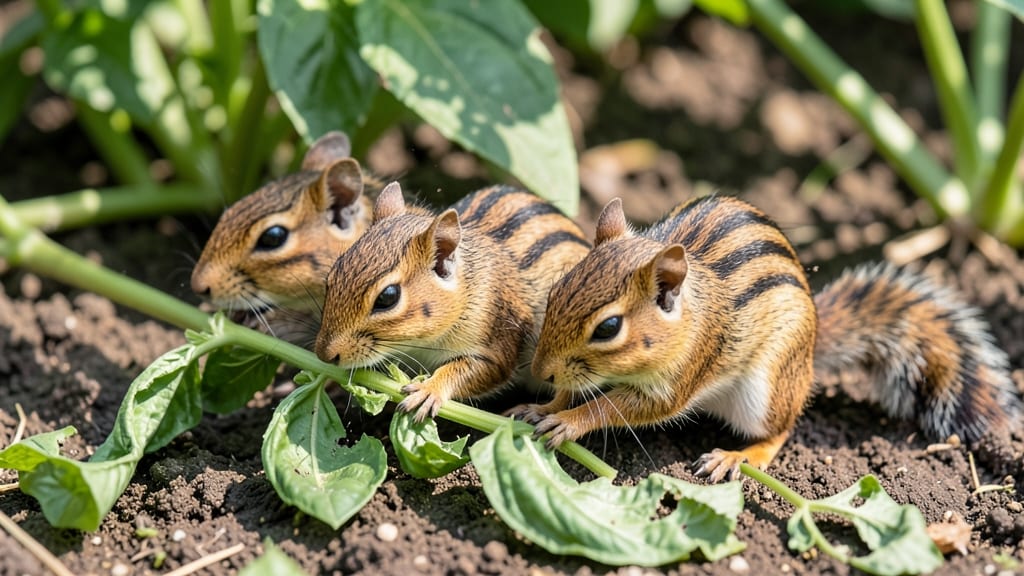
Chipmunks do eat garden plants, targeting fruits, vegetables, seeds, and young shoots, especially corn, beans, peas, and berries. Their foraging habits can damage crops and flower beds, making them common garden pests.
These small but mighty rodents have a particular fondness for tender, nutrient-rich plant parts, especially those packed with fats or sugars. 🌱 While they may help disperse seeds in nature, their appetite for home gardens—particularly for freshly sprouted seedlings and ripe berries—can turn your hard work into a buffet.
Understanding their seasonal patterns helps too; spring and summer are peak foraging times when they’re most likely to raid your vegetable patches.
💡 In This Article
- Chipmunk Diet: What Garden Plants They Prefer
- Natural and Humane Ways to Deter Chipmunks from Gardens
Chipmunk diet: what garden plants they prefer
Chipmunks are selective foragers with a diet driven by high-energy foods. Their preference for oily seeds (like sunflower, corn, and pumpkin) stems from their need for concentrated fats—up to 30% of their daily calories must come from fat-rich sources to survive cold winters.
These tiny rodents can store 10-12% of their body weight in cheek pouches, allowing them to carry seeds back to burrows for later. 🌰 The sugar content in fruits (especially berries) also makes them irresistible, as it provides quick energy for their active foraging lifestyle.
Seasonal behavior dramatically shifts their target plants. In spring and summer, they focus on tender shoots and young leaves (like lettuce and bean sprouts) because these are high in moisture and easy to digest.
Their teeth are designed to gnaw through 0.02-inch-thick plant stems—about the diameter of a pencil lead—making even hardened seedlings vulnerable. During fall, their diet pivots to drying seeds and nuts, preparing for hibernation when food becomes scarce.
This seasonal shift explains why gardeners notice damage peaking in late spring when chipmunks are most active above ground.
The dual role of chipmunks as both seed dispersers and crop destroyers comes down to scale. In natural ecosystems, they bury seeds (often forgetting 30-50% of them) that later sprout into new plants. However, in gardens, their digging and gnawing directly compete with your harvest.
For example, a single chipmunk can consume up to 20% of a sunflower seed head in one sitting, while their burrowing near root crops (like carrots) can uproot entire plants. The key difference? Wild plants benefit from this dispersal, while cultivated varieties are grown for human consumption—not rodent buffets.
Texture plays a surprising role in their preferences. Chipmunks avoid fibrous or tough plants (like mature corn stalks) but target soft, fleshy stems and thin-skinned fruits.
Their molars are adapted to crush seeds, but their incisors can slice through 0.01-inch-thick plant skins—perfect for accessing the juicy interiors of tomatoes or peppers.
This explains why they often leave the outer husks of corn intact but remove all the kernels inside. 🐿️ The contrast between their delicate foraging tools and the damage they inflict makes them particularly effective (and frustrating) garden pests.
Understanding their dietary triggers helps explain why certain plants become chipmunk magnets. For instance, blueberries are a top target because their 10-12% sugar content is nearly 3x higher than in apples. Similarly, peas are vulnerable because their pods contain both seeds and tender shoots—double the nutritional payoff.
Even herbs like basil aren't safe; chipmunks will strip entire plants down to the stems if other food sources are scarce. The pattern is clear: chipmunks go for plants that offer the highest calorie-to-effort ratio, making prevention a game of outsmarting their foraging instincts.
What most gardeners overlook is how chipmunks learn from experience. If they discover a particular plant yields easy meals (like a poorly protected strawberry patch), they'll return daily, often creating 0.5-inch-wide trenches around the base of plants to access buried roots.
This behavior turns gardens into chipmunk superhighways, where the most vulnerable plants become high-traffic zones. The solution? Disrupting their learning process by removing food sources before they establish these foraging patterns. 💡