
Pests
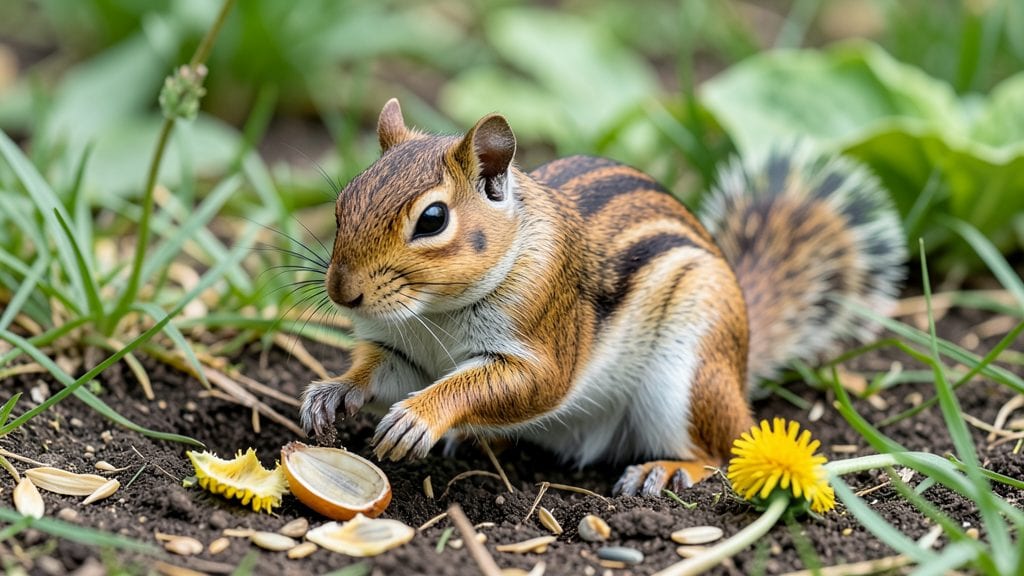
Chipmunks are opportunistic foragers, and their diet focuses on easy-to-access, nutrient-rich foods. 🌱 They particularly love garden vegetables because they're soft and packed with carbohydrates, which fuel their high-energy lifestyle.
Unlike squirrels, chipmunks won't just nibble—they'll strip entire plants if left unchecked, especially during early morning or evening when they're most active. Understanding their feeding patterns helps you protect your garden before they become a persistent problem.
What makes this especially frustrating is their burrowing behavior. Chipmunks often dig near garden edges, creating tunnels that make plants more vulnerable to root damage. This means even if you deter them from the surface, they might still be causing hidden destruction below ground.
💡 In This Article
- Chipmunk Diet: What Plants They Crave in Gardens
- Natural Ways to Deter Chipmunks from Your Garden
Chipmunk diet: what plants they crave in gardens
Chipmunks are primarily drawn to plants that offer the highest caloric return with the least effort—think of them as tiny, furry snack machines. Their diet is about 70% carbohydrates, with a focus on soft, easy-to-chew vegetation that provides quick energy.
This explains why they target young, tender shoots and leaves over mature, fibrous plants. The science behind this preference lies in their high metabolism; a chipmunk's heart rate can reach 300 beats per minute when active, requiring constant fuel intake.
Let's break down their garden favorites by nutritional profile:
- Leafy greens (lettuce, spinach, kale): These contain 5-10% sugars and minimal fiber resistance, making them ideal for their small jaws. The moisture content also satisfies their hydration needs.
- Corn and beans: These provide 15-20% starch content, offering sustained energy. Chipmunks will often strip entire corn cobs, leaving behind just the husk.
- Fruits (berries, tomatoes, peaches): The natural sugars (up to 12% in ripe berries) act like candy to them, especially during late summer when natural food sources dwindle.
Their foraging behavior is equally strategic. Chipmunks don't just nibble randomly—they employ a "scatter-hoarding" technique where they'll carry food back to their burrows to store for winter. This explains why you might find half-eaten vegetables scattered around your garden or near their burrow entrances.
Their burrows, typically 1-2 feet deep, often have multiple exits near garden edges, allowing them to raid multiple plants without being detected. The digging itself causes root damage that can kill young plants, even if the chipmunk only takes a few bites.
What most gardeners don't realize is how chipmunks use scent trails to locate food sources. They have an exceptional sense of smell (about 10,000 times more sensitive than humans for certain odors) and will follow chemical markers left by other chipmunks.
This is why once one finds your garden, others quickly follow. The soft, earthy scent of freshly turned soil and young plants acts like an all-you-can-eat buffet sign to them.
Seasonal patterns also play a crucial role. In spring and early summer, when plants are most tender, chipmunk activity peaks. They'll consume up to 3 times their body weight daily during this period.
The contrast between their 1-2 ounce size and their pound-per-day food intake during breeding season explains why they're such relentless garden raiders. Their preference for young plants stems from both nutritional value and ease of consumption—mature plants have developed tougher fibers and protective compounds that chipmunks find less appealing.
Here's a visual comparison of their favorite garden targets:
- High-risk plants: Lettuce, beans, corn, strawberries, peas (all 90%+ consumption rate when accessible)
- Moderate risk: Carrots, radishes, cabbage (they'll eat these but prefer softer options)
- Low risk: Onions, garlic, herbs (strong odors and fibrous textures deter them)