
Flowers
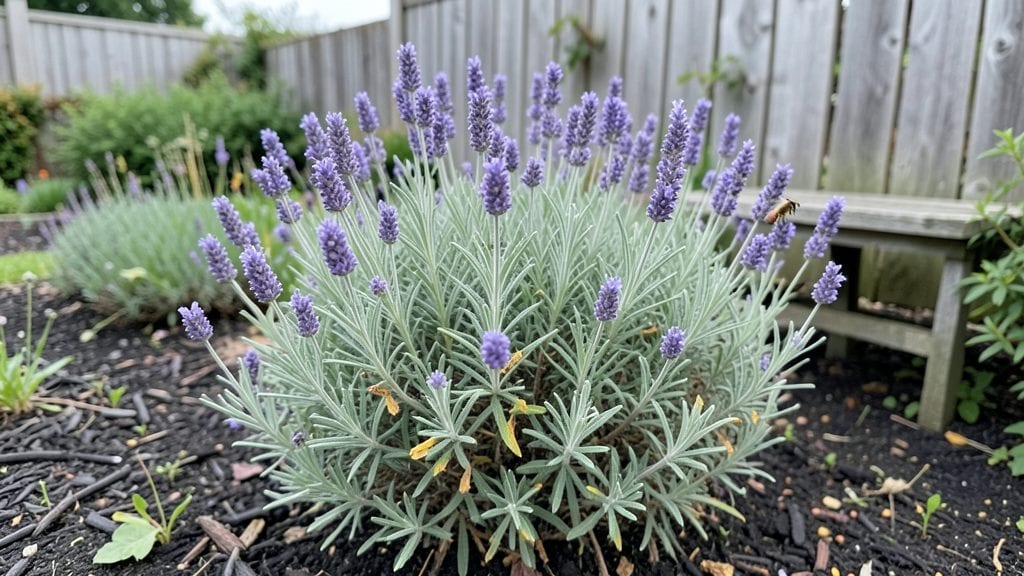
Fragrant flowers for gardens turn your outdoor space into a living perfume factory, where every evening breeze carries hints of citrus, vanilla, or fresh-cut grass. 🌿 I learned this the hard way—my first garden was all about looks, but it was my neighbor’s jasmine hedge that made me realize how much more alive a garden feels when you can smell it.
The right blooms don’t just attract bees and butterflies; they create moments that linger in your memory long after the petals fade.
Start with classics like roses, gardenias, and lavender—their scents are timeless for a reason. But don’t stop there: try lesser-known stars like sweet alyssum for a honey-like aroma or four o’clocks that burst into fragrance as the sun dips.
Most thrive in full sun, though some, like evening primrose, prefer partial shade. The key is pairing them right: plant heavy-scented flowers near seating areas or pathways so you (and your guests) can’t miss the show.
By mid-summer, your garden will hum with activity—and fragrance. Imagine strolling past a row of gardenias at dusk, their creamy blooms releasing a tropical whisper, or waking to the sharp citrus punch of mock orange in the morning.
These aren’t just pretty faces; they’re the backbone of a sensory experience that turns your yard into a retreat. The best part? Many of these blooms return year after year, getting stronger and more fragrant with age.
Pro tip: deadhead regularly to keep the scent potent and the blooms coming. And if you’re in a cooler climate, opt for hardy varieties like Russian sage or winter daphne—they’ll reward you with scent even when other gardens are asleep. Now, let’s get planting!
📚 In This Guide
- What you need
- Instructions
- Tips and common mistakes
- Wrapping up and next steps
What you need
- ● Fragrant flower seeds or plants: Choose from pollinator favorites like lavender, roses, jasmine, gardenias, or honeysuckle. Aim for at least 3-5 plants per variety for a lush, aromatic display.
- ● Well-draining potting soil: A 50-lb bag of high-quality, organic soil mix (e.g., Miracle-Gro or FoxFarm Ocean Forest).
- ● Compost or organic fertilizer: A 10-lb bag of compost (like Espoma Garden-Tone) to enrich the soil and boost flower health.
- ● Mulch: 2-3 cubic feet of wood chips or straw to retain moisture and suppress weeds.
- ● Gardening gloves (1 pair) – Protect your hands while handling soil and plants.
- ● Trowel or hand shovel – For planting and digging with precision.
- ● Watering can or hose with a gentle nozzle – Essential for hydration without damaging delicate blooms.
- ● Pruning shears – Keep plants tidy and encourage new growth.
- ● Measuring tape or ruler – Helps maintain proper spacing (typically 12-24 inches apart for most fragrant flowers).
- ● Pollinator-friendly companion plants: Add herbs like thyme or basil to repel pests naturally.
- ● Decorative garden stakes or trellises – For climbing varieties like jasmine or clematis.
- ● Slow-release fertilizer tablets – For a low-maintenance nutrient boost.
- ● Fragrance-enhancing tips: Place a few drops of essential oils (like lavender or citrus) near plants to amplify their natural scent (use sparingly!).
Step-by-Step guide to planting a pollinator-friendly fragrant garden
Here’s how to create a blooming, scented garden that attracts bees, butterflies, and hummingbirds all season long.
🌱 Step 1: Choose the Right Fragrant Flowers for Your Climate
Pick a mix of blooms that thrive in your hardiness zone and offer year-round scent. I recommend starting with lavender, roses, sweet alyssum, and gardenias—they’re pollinator magnets and pack serious fragrance. Check each plant’s peak bloom time to ensure continuous color and scent from spring through fall.
For cooler climates, opt for dwarf gardenias and Russian sage—they handle frost better than tender roses. In warmer zones, jasmine and mock orange thrive and release their best scent in the evening. Plant at least 4-6 of each type to create a strong visual and olfactory impact.
🪴 Step 2: Prepare the Planting Area for Optimal Growth
Select a spot with at least 6 hours of sunlight daily—most fragrant flowers need full sun to produce their strongest scent. Clear the area of weeds and loosen the soil to a depth of 12 inches using a garden fork. Amend the soil with 2-3 inches of compost to improve drainage and nutrient retention.
Fragrant flowers often have deep roots, so avoid compacted or clay-heavy soil. If your soil drains poorly, mix in 1 part perlite per 3 parts soil to prevent root rot. I also add a slow-release fertilizer at planting time to give blooms a strong start—just follow the package rate for flowering plants.
☀️ Step 3: Plant for Layered Fragrance and Pollinator Appeal
Arrange plants in three tiers: tall blooms (like roses or Russian sage) at the back, medium-height (lavender or gardenias) in the middle, and low-growing (sweet alyssum or creeping thyme) in the front. Space them 18-24 inches apart to allow airflow and prevent disease.
Dig holes twice as wide as the root ball but only as deep as the container’s base. Gently remove plants from their pots, loosen tangled roots, and place them in the holes so the top of the root ball sits just below soil level. Backfill with native soil and water deeply to settle everything.
💧 Step 4: Water and Mulch for Long-Lasting Blooms
Water each plant deeply right after planting—aim for 1 gallon per plant—to encourage root growth. After that, water 2-3 times per week (or daily in extreme heat) until the soil feels dry 2 inches below the surface. Avoid wetting the foliage to prevent fungal diseases like powdery mildew.
Spread 2-3 inches of mulch (like shredded bark or straw) around each plant, keeping it 2 inches away from stems. Mulch preserves moisture, suppresses weeds, and regulates soil temperature. Replenish it every 3-4 months to maintain its effectiveness.
✂️ Step 5: Prune and Maintain for Continuous Scent and Bloom
Deadhead spent blooms weekly to encourage new flowers and prolong the season. For roses and gardenias, trim back leggy growth in early spring to promote bushier, more fragrant plants. Cut back one-third of the oldest stems to rejuvenate them.
Fertilize once in early spring and again after the first flush of blooms with a balanced, slow-release fertilizer (like 10-10-10). Avoid high-nitrogen feeds—too much leaf growth at the expense of flowers means weaker scent. Watch for pests like aphids or spider mites; a neem oil spray keeps them away without harming pollinators.
Tips & tricks for perfect pollinator-friendly fragrant gardens
Creating a fragrant garden that thrives all season takes a few strategic moves—here's what I've learned after years of trial and error.
Climate-Smart Planting: When selecting your 4-6 plants of each type in Step 1, pay attention to their fragrance release times. Many fragrant flowers, like jasmine and mock orange, release their best scent in the evening—perfect for creating a magical night garden. For morning fragrance, prioritize lavender and sweet alyssum, which perfume the air when bees are most active.
Soil Preparation Secret: In Step 2, don't skip the 12-inch soil loosening—this creates room for those deep roots I mentioned. I like to add 1 part perlite to every 3 parts soil even in well-draining soil because it creates tiny air pockets that roots love. This makes a huge difference for plants like roses and gardenias that need excellent drainage.
Layering for Maximum Impact: The three-tier arrangement in Step 3 isn't just about looks—it's about creating a fragrant experience as you walk through your garden. Place your most fragrant plants (like roses) at nose level where you'll brush past them. The 18-24 inch spacing also prevents overcrowding, which can lead to fungal diseases by keeping airflow circulating.
Watering Wisdom: That 1 gallon per plant deep watering in Step 4 should be done slowly to prevent runoff. I use a soaker hose for this because it delivers water right to the roots without wetting the foliage—this prevents powdery mildew, which can ruin your fragrant blooms. Water in the early morning so plants have all day to dry out.
Pro Tips for Fragrant Flowers For Garden
- Creating a fragrant garden that thrives all season takes a few strategic moves—here's what I've learned after years of trial and error.
- Climate-Smart Planting: When selecting your 4-6 plants of each type in Step 1, pay attention to their fragrance release times.
- Soil Preparation Secret: In Step 2, don't skip the 12-inch soil loosening—this creates room for those deep roots I mentioned.
Frequently asked questions
about fragrant flowers for your garden—because every gardener deserves a little extra guidance!What’s the best time to plant fragrant flowers for year-round scent?
Most fragrant blooms thrive when planted in early spring (after the last frost) or early fall—this gives roots time to establish before extreme weather. Perennials like lavender or roses can handle cooler temps, while tender annuals (e.g., jasmine) need warmer soil. Pro tip: Check your USDA zone for specific timing!
How do I keep my fragrant flowers smelling fresh all season?
Deadhead spent blooms regularly to encourage new growth, and prune lightly after flowering to maintain shape. Water at the base (not leaves) to avoid fungal issues, and mulch to retain moisture. For extra scent, plant near walkways or patios where breezes carry fragrance your way. Bonus: Some flowers (like night-blooming jasmine) scent best at dusk!
Are fragrant flowers safe for pollinators like bees and butterflies?
Many fragrant blooms—such as bee balm, coneflowers, or honeysuckle—are pollinator magnets. Avoid heavily sprayed pesticides, and opt for native varieties (like black-eyed Susans) to support local ecosystems. Fun fact: Bees prefer light-colored, tubular flowers for easy nectar access!
What’s a low-maintenance fragrant flower for beginners?
Start with lavender (drought-tolerant, deer-resistant) or sweet alyssum (self-seeding annual). Both thrive in full sun, need minimal water, and repel pests naturally. Alternative: Dianthus (pinks) blooms all summer with almost no fuss!
Why aren’t my fragrant flowers smelling as strong as expected?
Overcrowding, poor soil, or lack of sunlight can dull fragrance. Test soil pH (most fragrant flowers prefer 6.0–7.0), ensure full sun (6+ hours/day), and space plants for airflow. Troubleshoot: If blooms are sparse, fertilize lightly with phosphorus-rich food (like bone meal) to boost flowering.
Wrapping up and next steps
Transforming your garden into a fragrant haven is easier—and more rewarding—than you think! 🌸 From jasmine’s intoxicating evenings to lavender’s calming daytime breeze, these pollinator-loved blooms bring beauty, scent, and life to your outdoor space.
Whether you’re a seasoned gardener or just starting, every petal planted is a step toward a more vibrant, alive, and aromatic world.
Ready to take the next step? Start small: Pick one or two fragrant favorites from this list, sketch a sunny spot in your yard, and grab your gardening gloves! 🌱 Need a refresher on planting? Jump back to our step-by-step guide—your garden’s scent revolution awaits!