
Size
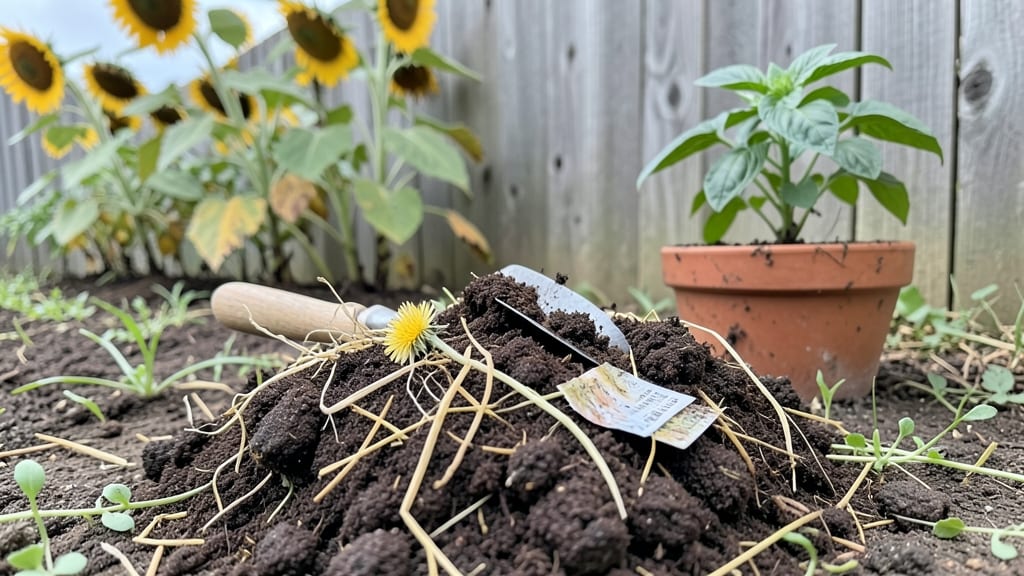
Most people don't realize how many garden staples regrow from kitchen scraps or free cuttings. 🌱 For example, the base of green onions, celery stalks, and even avocado pits can all grow into new plants with minimal effort.
Community seed swaps and library seed banks often offer free packets of heirloom varieties, while neighborhood gardening groups frequently share cuttings from mature plants. The key is knowing which plants respond best to propagation—like mint, coleus, and succulents—and creating the right conditions to encourage root growth.
This approach isn't just budget-friendly; it's sustainable too. By reusing plant materials, you reduce waste while building a diverse garden ecosystem. I've started my own garden this way, and the best part is seeing familiar plants thrive from something I would've otherwise thrown away.
Plus, it's a great way to experiment with varieties you might not find in stores.
💡 In This Article
- Best Free Seed Sources for Home Gardeners
- Propagating Plants from Free Cuttings and Scraps
Best free seed sources for home gardeners
Your grocery store isn't just a place to buy food—it's a hidden seed bank. Many common produce items contain viable seeds that can grow into new plants. For example, the heart of a head of romaine lettuce contains 50-100 seeds per leaf, while a single tomato can yield 200-300 seeds.
The key is selecting organic or heirloom varieties, as conventional produce often uses hybrid seeds that won't reproduce true-to-type. 🌱 What's fascinating is how these seeds remain dormant until exposed to proper moisture and light conditions, which is exactly what happens when you plant them in soil.
Library seed banks and community gardening programs offer another treasure trove of free seeds. Many public libraries now partner with organizations like the Seed Library Society to provide free seed packets during checkout.
These collections often include heirloom varieties that have been saved for generations, offering unique flavors and characteristics you won't find in commercial seed racks. Community gardens frequently host seed swaps where members exchange seeds they've grown successfully, creating a living catalog of regional adaptations.
The science behind this is simple: seed diversity increases resilience against pests and diseases, making these community-based approaches both practical and sustainable.
Extracting seeds from store-bought produce is easier than you might think. For avocados, simply remove the pit, wash off any remaining fruit, and insert 4 toothpicks around the middle.
Suspend the pit over a glass of water, changing the water every 2-3 days until roots emerge (typically 2-6 weeks). The secret here is patience—avocado pits need consistent moisture without becoming waterlogged.
For tomatoes, scoop out the gel-like center, rinse the seeds, then ferment them in water for 2-3 days to break down the pulp. This fermentation process removes natural inhibitors that prevent germination, increasing your success rate from 50% to over 90%. 💫
Don't overlook the power of seed swaps and local gardening groups. These grassroots networks often have members who specialize in particular crops, offering seeds that have been tested in your specific climate. For instance, a neighbor might share drought-resistant zucchini seeds that thrive in your area's hot summers.
The social aspect is equally valuable—you'll learn which varieties perform best in your microclimate while building connections with fellow gardeners. Many swaps operate on a "take one, give one" basis, ensuring everyone benefits from the exchange.
Here's what most people don't realize about seed viability: many store-bought seeds remain dormant for years if stored properly. A study from the Royal Botanic Gardens, Kew found that 70% of seeds from common grocery store produce remained viable after 5 years when stored in a cool, dry place.
This means you might have seeds in your pantry right now that could grow into new plants. The key is to harvest seeds when the fruit is fully ripe—look for vibrant colors and slightly soft textures as indicators of maturity.
For example, pepper seeds should be harvested from peppers that have turned fully colored and feel slightly papery when touched.
Consider these key factors when harvesting seeds:
- Maturity: Harvest when the fruit is fully colored and slightly soft (not mushy)
- Cleaning: Rinse seeds thoroughly to remove pulp, which can inhibit germination
- Drying: Spread seeds on a paper towel in a single layer for 3-5 days to air-dry completely
- Storage: Keep seeds in paper envelopes in a cool, dark place with 30-50% humidity
The beauty of these free seed sources is that they connect you directly to the food cycle. When you grow plants from seeds you've saved or swapped, you're not just gardening—you're participating in an ancient tradition of seed stewardship.
This approach also helps preserve genetic diversity that commercial agriculture often overlooks. 🌟 Start with one or two varieties you love, and watch how your garden transforms from a simple patch of soil into a thriving ecosystem built on nothing but seeds and sunlight.