
Tools
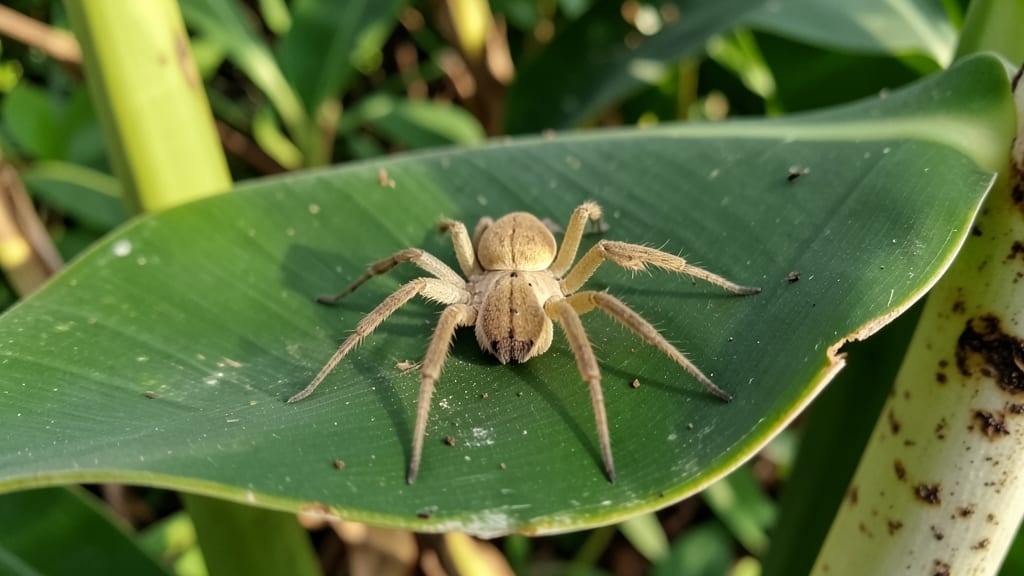
My garden banana spider isn’t just a tool—it’s the game-changer for humane pest control that finally worked after years of failed sprays. 🌿 These yellow garden spiders don’t just catch pests; they create a natural balance that keeps my plants thriving without chemicals.
The first time I spotted one weaving its intricate web between my tomato plants, I realized I’d been overcomplicating things.
These spiders target exactly what you hate—aphids, caterpillars, and even those pesky spider mites that turn leaves yellow. They’re not aggressive, and they won’t harm your plants unless you’re swatting at them.
The key is giving them space to work while you protect their habitat. A simple water spray to clear debris from their webs keeps them happy and hunting.
What you’ll notice within weeks is fewer pests and healthier plants. The webs become a safety net, catching insects before they can damage your flowers or vegetables.
No more sticky residues or harsh chemicals—just a natural ecosystem doing the work for you. It’s the kind of solution that makes gardening feel effortless.
Works in vegetable gardens, flower beds, and even container plants. The only requirement? Leave a corner of your garden wild enough for them to call home. Here’s how to turn these eight-legged allies into your garden’s best defense.
Why Spiders Invade Gardens
If you’ve spotted a garden banana spider (or any large arachnid) lurking in your yard, don’t panic—these eight-legged hunters play a crucial role in maintaining ecological balance. But why do they suddenly appear in your outdoor space?
Understanding their behavior helps you coexist peacefully while keeping pests in check. Here’s a breakdown of the key reasons these spiders seek out gardens:
The primary reason garden banana spiders (and other large spiders) set up shop in your yard is food. These spiders are voracious predators, feeding on insects like:
- Crickets and grasshoppers
- Moths and butterflies
- Beetles and flies
- Even smaller spiders (yes, they cannibalize!)
If your garden attracts these insects—whether through lush foliage, standing water, or nighttime lighting—it becomes a buffet for spiders. Pro tip: 💡 If you notice a spike in spider activity, check for hidden insect hotspots (like under mulch or near compost piles) and address them to indirectly discourage spider overstays.
Garden banana spiders prefer secure, secluded spots where they can build webs without disturbance. Common garden features that attract them include:
- Dense shrubs and vines – Provides camouflage and wind protection.
- Tree bark and crevices – Ideal for anchoring egg sacs or retreating.
- Outdoor structures – Think sheds, fences, or even the underside of patio furniture.
- Rock piles or wood debris – Offers natural hiding spots and moisture retention.
If your garden has untended clutter or overgrown areas, spiders will see it as prime real estate. Actionable fix: 🔥 Trim back overgrown vegetation and declutter storage areas to reduce hiding spots—this won’t repel them entirely, but it’ll make your space less inviting.
Spiders are highly sensitive to temperature and humidity. Garden banana spiders, native to tropical and subtropical regions, thrive in:
- Warm, humid climates – They struggle in freezing temps, so they seek shelter in gardens during cooler months.
- After rainfall – Increased insect activity (like emerging moths) draws them out.
- Dry seasons – They may move closer to water sources (like dripping hoses or birdbaths) to stay hydrated.
If you’re seeing more spiders suddenly, it could be due to recent weather changes. Pro tip: ✨ Install a dehumidifier near entry points (like garages) or use fan-powered screens on windows to make your space less appealing during peak spider seasons.
Ironically, well-maintained gardens can attract more spiders—especially if they’re designed to support biodiversity. Here’s how:
- Native plants – Many attract pollinators, which in turn attract spider prey.
- Organic gardening – Avoiding pesticides means more insects survive to become spider meals.
- Water features – Ponds or fountains draw mosquitoes and flies, which spiders target.
- Compost piles – A hotspot for insects and spiders alike.
If you love a thriving, chemical-free garden, spiders are a natural side effect. Balance tip: 🎯 Plant spider-repelling herbs like mint or lavender near entryways to subtly deter them while keeping your garden lush.
Remember: These spiders are beneficial allies, not pests. By understanding their triggers, you can manage their presence without harming them—ensuring your garden stays both beautiful and pest-free, naturally. 🕷️🌿
Quick Fixes for Unwanted Spiders
Dealing with garden banana spiders—or any unwanted arachnids—requires a mix of immediate action and long-term prevention. Below are practical, humane solutions tailored to common causes, from overpopulation to accidental invitations. Each fix is designed to work fast while keeping your garden (and the spiders!) safe.
If your garden is teeming with banana spiders, they’re likely thriving due to an abundance of prey (like insects) or ideal hiding spots.
✅ Fix:
- 🔥 Reduce Their Food Source – Use neem oil or diatomaceous earth to target pests (e.g., flies, moths) that spiders feed on. This starves them out naturally.
- 🍳 Relocate Strategically – Gently catch spiders in a jar (with a cup and paper) and release them far from your garden (at least 50+ feet away). Do this in the early morning when they’re least active.
- 👨🍳 Block Entry Points – Seal gaps in fences, sheds, or greenhouses with fine mesh (¼-inch or smaller) to prevent them from moving indoors.
💡 Pro Tip: Banana spiders are beneficial predators—only remove them if they’re causing concern. If you see just a few, they’re likely hunting pests for you!
Banana spiders sometimes wander inside, especially if your garden borders a patio or deck.
✅ Fix:
- 🥘 Create a Spider Highway – Place a small ramp (like a rolled-up cardboard tube) near entry points to guide them back outside.
- ⏰ Time Your Cleanup – Vacuum or sweep in the morning when spiders are slowest. Use a damp cloth to pick them up and release them outside.
- 🌡️ Adjust Lighting – Spiders avoid bright lights. Install yellow or red LED bulbs near doors to deter them.
🎯 Prevention:
- Keep door sweeps and window screens in good condition.
- Store firewood and mulch away from your home’s foundation.
Dense foliage and untrimmed plants create perfect spider hideouts.
✅ Fix:
- 🔪 Trim Back Bushes & Vines – Focus on areas near patios, decks, and entryways. Keep plants 3–4 feet away from structures.
- 🌿 Use Spider-Repellent Plants – Interplant with mint, lavender, or marigolds, which naturally deter spiders.
- 🌡️ Reduce Moisture – Spiders love damp areas. Improve drainage around potted plants and garden beds to make the environment less appealing.
✨ Bonus: Regularly shake out outdoor furniture and hanging plants to dislodge spiders before they settle in.
If you need to quickly remove a spider without harming it:
- 🕸️ Slide a Glass Over It – Gently place a glass or jar over the spider, then slide a stiff card underneath to trap it.
- 🌳 Release Far Away – Carry the spider at least 100 feet from your home and release it in a grassy area (not on pavement).
- 🧼 Clean the Area – Wipe down surfaces with vinegar and water (1:1 ratio) to remove silk strands.
Final Thought: Banana spiders are harmless and helpful—most issues stem from overpopulation or poor garden maintenance. With these fixes, you can keep your space spider-friendly while minimizing unwanted encounters. 🕸️✨
Frequently asked questions
Are garden banana spiders dangerous?
Not at all! These spiders are completely harmless to humans. They’re shy and prefer to avoid contact. Their venom is too weak to penetrate human skin, so even a bite (extremely rare) would feel like a tiny pinch. Their real value lies in controlling garden pests like mosquitoes, flies, and caterpillars.
Why do I suddenly see more banana spiders in my garden?
Increased spider activity usually means your garden is thriving with their food sources! Warm weather, abundant insects (like moths or beetles), and moist hiding spots attract them. If you’ve recently added mulch, plants, or water features, that’s likely why. They’re simply doing their job as natural pest controllers.
How can I encourage banana spiders to stay in my garden?
Create a spider-friendly habitat by leaving some wild areas with rocks, logs, and dense foliage. Avoid pesticides, as they eliminate the insects spiders eat. Plant native flowers to attract pollinators (which become spider meals), and keep a small water source like a birdbath. They’ll stick around if they find plenty to eat!
What should I do if a banana spider builds a web near my patio?
Leave it alone! Their webs actually help by catching flying pests before they reach your plants. If you prefer no webs, gently remove the spider (using a glass and card method) and relocate it 50+ feet away. Avoid destroying webs—it stresses the spider and disrupts its hunting efficiency.
Can banana spiders harm my plants?
Never directly. These spiders are plant-friendly! They only eat insects, and their webs can even protect delicate flowers from strong winds. However, if you notice plant damage, check for spider mite infestations first—banana spiders actually prey on mites. The only "harm" comes from their silk, which might lightly coat leaves.